
What is the rhyme?
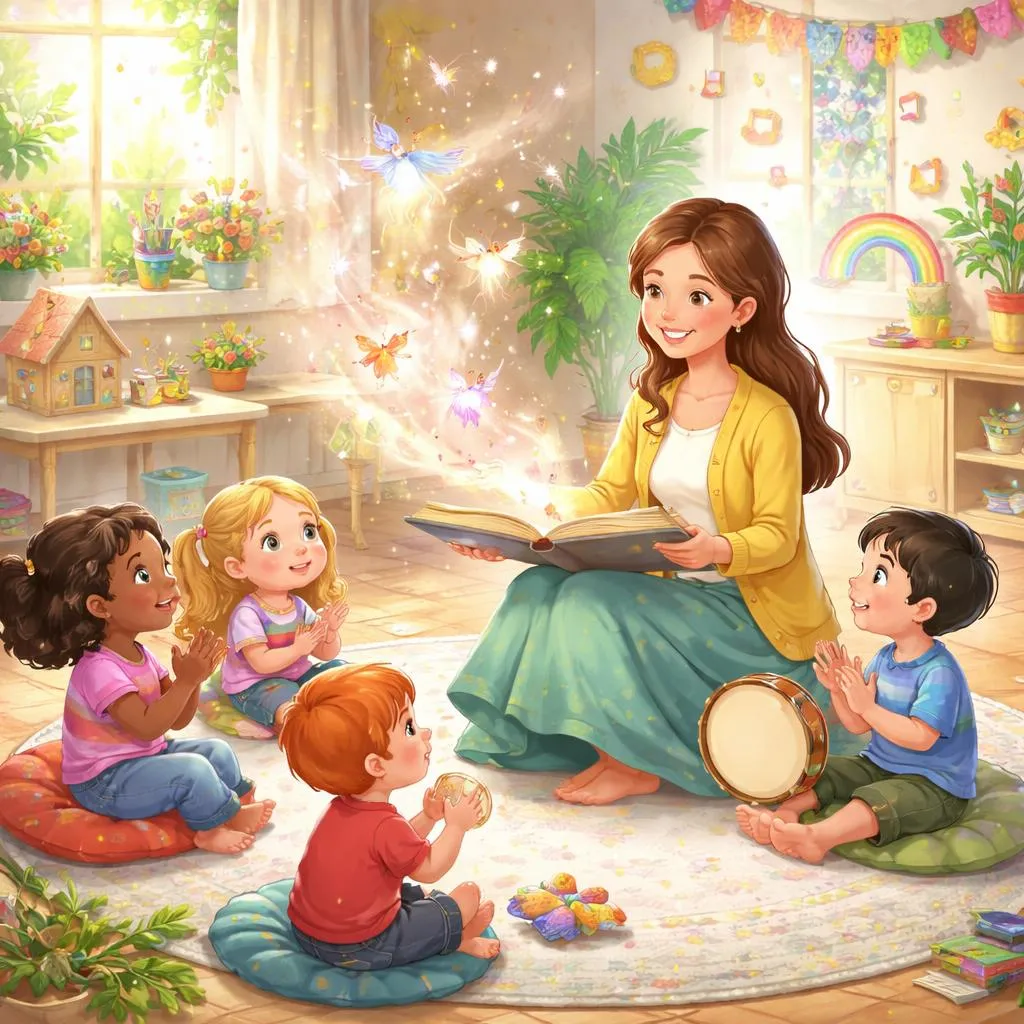
In early English classrooms, imagination supports language growth. Songs and rhymes about fantasy create strong emotional engagement. One popular theme appears in fairy lyrics.
Fairy-themed lyrics often describe magical characters. They live in forests, gardens, or dreams. They help others. They bring wonder and kindness.
From a teacher’s perspective, fairy lyrics work as a bridge. They connect simple English with storytelling. They invite listening, speaking, and imagining at the same time.
These rhymes usually follow gentle rhythms. They use soft sounds. They repeat key words.
This makes them suitable for early learners. Language feels calm and welcoming.
The lyrics of nursery rhymes
Fairy-themed nursery rhymes often share similar structures. The lyrics describe a fairy’s actions or world.
A common example may sound like this.
A little fairy flies at night. With shiny wings and soft moonlight. She waves her wand and smiles so bright. Then floats away out of sight.
These fairy lyrics use short lines. They use simple verbs. They create clear images.
In class, reading the lyrics aloud helps first. Singing or chanting follows naturally.
Teachers often pause after each line. This allows time to notice sounds and meaning.
The steady rhythm supports memory. The story element keeps interest strong.
Vocabulary learning
Fairy songs introduce rich but gentle vocabulary. Many words relate to nature and magic.
Words like fairy, wings, and wand appear often. These nouns feel concrete in stories.
Action words appear too. Fly. Wave. Smile.
These verbs support sentence building. They also support acting out.
Adjectives add color to the language. Little fairy. Shiny wings. Soft light.
Through fairy lyrics, vocabulary appears in context. Meaning becomes clear through imagery and movement.
This approach supports long-term retention.
Phonics points
Fairy-themed rhymes offer strong phonics practice. Many words contain long vowel sounds.
The word fairy highlights the “air” sound. Light and night share the same ending sound.
Wings and things create clear rhyme pairs. Smile and while also pair well.
Listening for these sounds builds awareness. Repeating them builds pronunciation skills.
Teachers often stretch vowel sounds gently. Fairy becomes faaaairy. Light becomes liiiight.
Music and rhythm support phonics naturally. Learning feels playful and relaxed.
Grammar patterns
Although fairy lyrics feel magical, grammar remains clear. Most sentences follow simple structures.
A fairy flies. She waves her wand.
These sentences show subject and verb clearly. They support early sentence understanding.
Present tense appears often. This keeps meaning immediate.
Prepositions also appear. In the forest. At night.
These small grammar points grow naturally through repetition. No heavy explanation is needed.
The song itself becomes the teacher.
Learning activities
Fairy-themed activities invite creativity. They also support language practice.
Movement activities work well. Arms move like wings. Hands wave like wands.
Role play adds depth. One learner becomes the fairy. Others describe actions.
Drawing activities also support comprehension. A picture of a fairy scene shows understanding.
Story extension works well. What does the fairy do next?
Through these activities, fairy lyrics expand beyond the song. They become a language experience.
Printable materials
Printable resources help structure fairy lessons. Visuals work especially well with fantasy themes.
Picture cards show fairies, wings, stars, and moons. These images support vocabulary learning.
Lyric sheets with large text help early reading. Repeated words can appear in bold.
Coloring pages encourage calm focus. They also reinforce word-image connections.
Word cards support sentence building. Fairy flies. Fairy smiles.
Printable materials support review at home. They keep learning consistent.
Educational games
Games bring joy to fairy-themed lessons. They also encourage repetition without pressure.
A listening game works well. Play the rhyme. Pause suddenly. The class predicts the next line.
A matching game also fits. Match words to pictures.
Movement games add energy. Fly when the word fairy appears. Freeze when night appears.
These games keep attention strong. They turn language practice into shared fun.
Using fairy lyrics across lessons
Fairy themes connect easily with other subjects. Art lessons use drawing and coloring.
Story time expands fairy stories. Music lessons explore rhythm and melody.
Nature lessons connect fairies with forests and gardens. This builds vocabulary across topics.
By returning to fairy lyrics, familiarity grows. Each return feels easier and richer.
Language learning becomes layered.
Supporting imagination and emotional growth
Fantasy supports emotional expression. Fairy songs often feel gentle and safe.
They describe kindness, help, and wonder. These themes matter in early learning.
Through fairy lyrics, language connects with feeling. Words carry warmth and curiosity.
Teachers guide discussion gently. What makes the fairy kind?
This builds emotional vocabulary. It also builds empathy.
Classroom routines with fairy lyrics
Songs often support classroom routines. Fairy rhymes fit calm moments well.
They work during circle time. They work before story reading.
The soft rhythm helps focus. The familiar lyrics bring comfort.
Over time, the song becomes a signal. It tells the class it is time to listen.
Language learning feels structured and safe.
Extending learning beyond the classroom
Fairy songs often continue at home. Families enjoy fantasy stories together.
Listening again strengthens memory. Singing together builds confidence.
Parents may ask simple questions. Where does the fairy go?
These questions mirror classroom learning. They keep English active in daily life.
A gentle path into storytelling and English expression
Fairy lyrics open the door to imagination. They combine sound, story, and simple language.
Through rhythm and repetition, English feels friendly. Words connect to pictures and feelings.
In a supportive classroom, fairy songs become trusted tools. They encourage listening, speaking, and creativity.
With careful guidance, these lyrics stay in memory. They continue to sparkle, just like the fairies they describe.