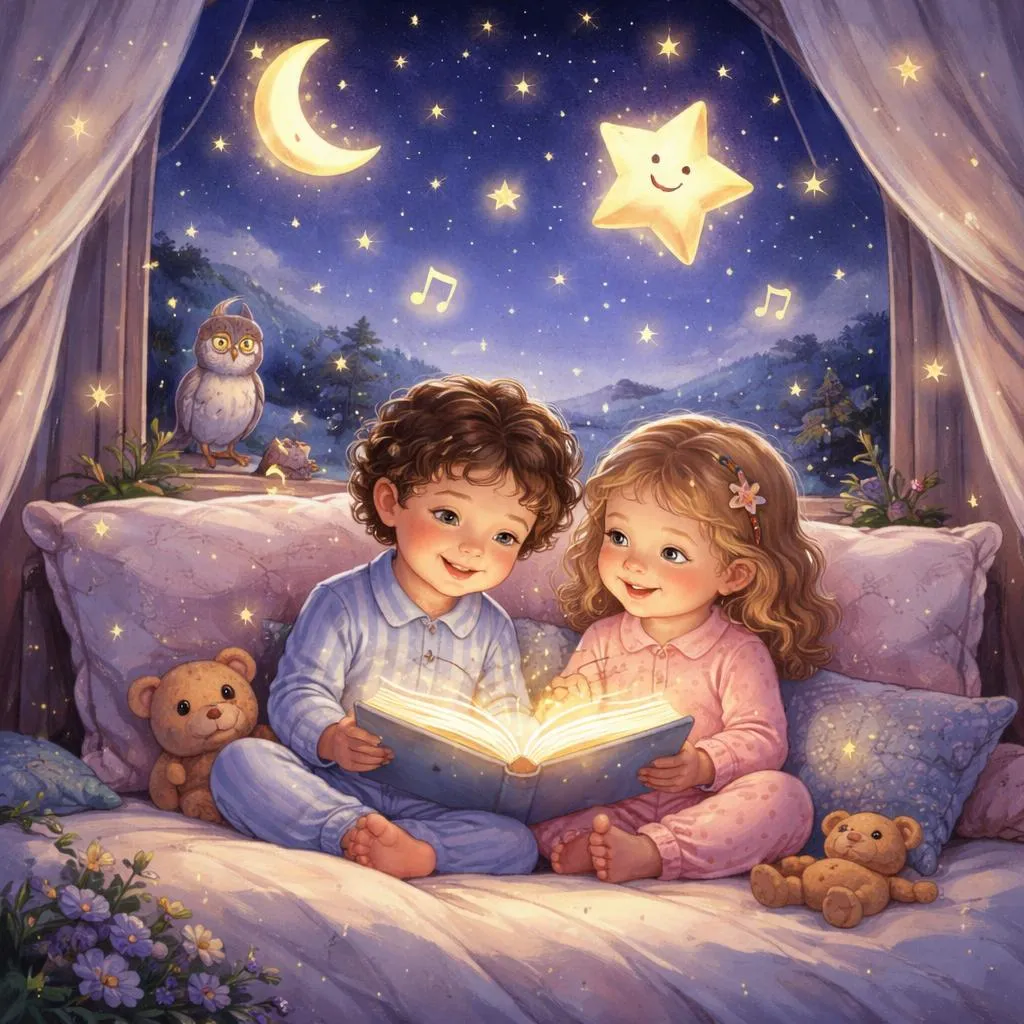

What Is the Rhyme “tunkel tunkel little star”?
The phrase “tunkel tunkel little star” often appears when learners search for the famous rhyme “Twinkle, Twinkle, Little Star.” It reflects playful spelling or early attempts to remember the song. This keyword connects with one of the most beloved English nursery rhymes.
Nursery rhymes play a key role in early language learning. They combine rhythm, melody, and repetition. These elements support listening, speaking, and memory development.
The star theme creates calm and curiosity. It introduces nature and imagination in a gentle way.
The Nursery Rhyme Lyrics Related to “tunkel tunkel little star”
The classic version of the rhyme appears below.
Twinkle, twinkle, little star, How I wonder what you are. Up above the world so high, Like a diamond in the sky. Twinkle, twinkle, little star, How I wonder what you are.
These lines repeat to build familiarity. The melody supports recall and pronunciation. The rhythm guides natural English speech patterns.
Vocabulary Learning with “tunkel tunkel little star”
This rhyme introduces core English words with strong visual meaning. Each word connects with an image in the night sky.
Twinkle describes a light that shines and flickers. Little describes something small. Star describes a bright object in the sky at night. Wonder describes curiosity and thinking deeply. Above describes a higher place. World describes the Earth. High describes a position far from the ground. Diamond describes a shiny precious stone. Sky describes the space above the Earth.
These words appear in many books and conversations. Connecting words with stars and sky strengthens comprehension and memory.
Phonics Points in the Rhyme
The rhyme offers rich phonics practice. Several key sounds appear again and again.
The /tw/ blend in “twinkle” builds consonant blending skills. The long vowel sound in “star” supports vowel awareness. The /w/ sound in “wonder” trains initial consonant recognition. The /h/ sound in “high” introduces breathy consonants. The /sk/ blend in “sky” supports consonant clusters.
Repeating the rhyme supports sound discrimination. Clapping syllables builds rhythm and syllable awareness. Pointing to words during reading supports letter-sound connection.
Grammar Patterns in “tunkel tunkel little star”
The rhyme includes simple and meaningful grammar structures. These structures appear in everyday English.
“How I wonder what you are” expresses curiosity and emotion. “Up above the world so high” uses a prepositional phrase. “Like a diamond in the sky” uses comparison with “like.”
These patterns help build intuitive grammar awareness. Songs allow grammar to appear in a natural and friendly context.
Meaning and Explanation of the Story
The rhyme describes a star shining in the night sky. It expresses admiration and curiosity. The speaker looks up and wonders about the star. The star appears high above the world. It looks like a diamond in the sky.
This imagery introduces poetic language. It encourages observation of nature. It supports imagination and emotional connection with the night sky.
Cultural Background of the Star Rhyme
“Twinkle, Twinkle, Little Star” comes from an English poem written in the 18th century. It later became a nursery rhyme and lullaby. The melody connects with a famous classical tune.
The rhyme appears in books, cartoons, bedtime routines, and educational platforms. It remains one of the first English songs taught worldwide. The playful spelling “tunkel tunkel little star” often appears in searches and early learning contexts.
Daily Life Examples Using Star Vocabulary
Words from the rhyme appear in daily English.
“Look at the stars tonight” appears in bedtime talk. “The sky is very high” appears in nature descriptions. “That diamond is shiny” appears in stories and shopping contexts. “I wonder why” appears in curiosity-driven conversations.
Using rhyme vocabulary in daily talk supports language transfer and fluency.
Printable Flashcards for “tunkel tunkel little star”
Flashcards support visual learning and recall. Each card can show a simple image and a clear word.
A star card can show a glowing star. A sky card can show clouds and stars. A diamond card can show a sparkling jewel. A world card can show Earth from space.
Flashcards support matching games, reading practice, and storytelling. Large images and bold words help early readers.
Learning Activities Inspired by the Rhyme
Singing the rhyme supports pronunciation and rhythm. Chanting supports syllable awareness. Drawing stars and the night sky supports creativity.
Simple crafts can include star cutouts and glow-in-the-dark posters. Story sequencing cards can help place the lines in order. Retelling the rhyme in simple sentences builds narrative skills.
Educational Games Based on “tunkel tunkel little star”
Rhyming games can match “star” with “are” and “far.” Sound games can focus on the /tw/ sound in “twinkle.” Memory games can match pictures with words.
Listening games can identify key words like “star” and “sky.” Rhythm games can follow the melody with clapping or tapping.
These games integrate listening, speaking, and cognitive development.
Storytelling Expansion with the Star Theme
The rhyme is short, so story expansion supports language growth. New sentences can describe a journey to the star. New characters can travel through the night sky. Alternative endings can describe a friendly talking star.
Creative storytelling builds imagination and expressive language. It also supports early writing and speaking practice.
Integrating the Rhyme into Early Literacy
Nursery rhymes build phonological awareness. They help recognize rhyme, rhythm, and syllables. These skills support early reading development.
Shared reading with pointing supports word recognition. Repeated reading builds fluency and confidence. Chanting supports natural speech rhythm and prosody.
Cross-Curricular Learning Connections
The rhyme connects with science through stars and space. It connects with art through drawing and crafts. It connects with music through melody and rhythm.
These connections create a rich and integrated learning experience. Language learning becomes part of broader knowledge development.
Tips for Effective Teaching with the Star Rhyme
Short daily repetition improves retention. Clear pronunciation models accurate speech. Visual aids strengthen comprehension.
Encouraging retelling in simple sentences builds expressive language. Celebrating creative variations increases motivation and engagement.
Why “tunkel tunkel little star” Works for Early English Learning
The rhyme is short and melodic. It uses high-frequency and meaningful vocabulary. It includes simple grammar patterns. It introduces poetic language and imagery.
These features make it ideal for early English exposure. The night sky theme stimulates curiosity and calmness.
Creative Writing Prompts with the Star Theme
A prompt can describe a trip to a star. Another prompt can describe a quiet night under the sky. Another prompt can describe a star that can speak and sing.
These prompts encourage early writing and storytelling. They reinforce vocabulary and sentence structure.
Building Listening Skills with the Rhyme
Listening to recordings improves sound awareness. Repeating after audio improves articulation. Clapping syllables builds rhythm awareness.
Listening tasks can include identifying words like “star” and “sky.” This builds focused listening and comprehension skills.
Extending the Rhyme into Songs and Chants
Adding gestures increases engagement. Chanting with actions supports kinesthetic learning. Using simple instruments adds rhythm practice.
These activities make language learning joyful and memorable.
“Tunkel tunkel little star” opens a door to one of the most beloved English nursery rhymes. The melody, imagery, and simple language support listening, speaking, reading, and creative expression. Stars, sky, and wonder create a magical context for building vocabulary, confidence, and early literacy skills.