
A Friendly Hello and First Impressions
Guten Tag! (GOO-ten tahg). This is a polite "Good day" in German. Danke! (DAHN-keh). This is a warm "Thank you". People say it with a smile. Learning reading about Germany starts with these clear, friendly words.
Germany is in the heart of Europe. Its shape looks like a sleeping animal. The animal has a long, curved back. The country is in Central Europe. The North Sea and Baltic Sea are to the north. France, Poland, and Austria are its neighbors. The land is a beautiful mix of forests, rivers, and mountains. It is a country of great variety.
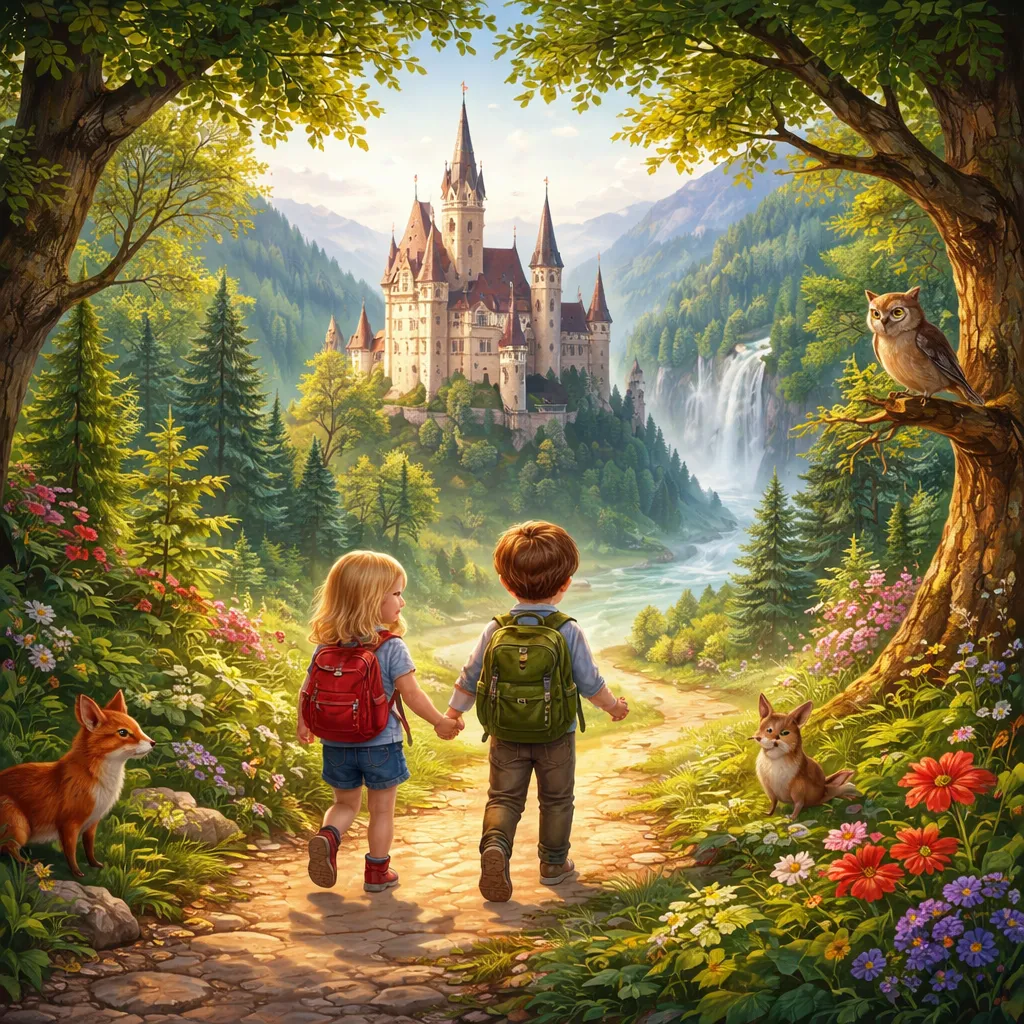
People call it the "Land of Poets and Thinkers". This is because of its famous writers and philosophers. Another nickname is the "Land of Ideas". Germany is famous for its inventions and engineering. Are you ready to walk in a fairy-tale forest?
Deep Dive into Culture and Stories
Echoes of History
A very important modern event changed Germany. It was the fall of the Berlin Wall. The wall divided the city of Berlin. It was a symbol of the Cold War. In 1989, peaceful protests grew. People demanded freedom. On November 9th, the gates opened. People from East and West Berlin hugged and cried. The wall came down. Germany reunified in 1990. This story is a key part of learning reading about Germany. It is a story of hope and unity.
Another important figure was Otto von Bismarck. He united many German states in 1871. He created the German Empire. He was a skilled politician. His work shaped modern Germany.
A World-Changing Invention
Germany gave the world a huge gift. It is the printing press. Johannes Gutenberg invented it around 1440. He was from Mainz. His press used movable metal type. It made books faster and cheaper. Ideas could spread quickly. This invention changed education forever. It is a key part of learning reading about Germany.
A Land of Forests and Rivers
Germany's geography is diverse. The north is flat with plains and coast. The center has forested hills and river valleys. The south has the Alps mountains. The landscape changes from sandy beaches to snowy peaks.
The climate is temperate. Summers are warm. Winters are cold. The environment shapes life. People grow wheat, barley, and hops for beer. They also grow grapes for wine. Traditional houses are often "Fachwerkhaus". They are timber-framed houses. The main exports are cars, machinery, and chemicals.
A special animal is the black eagle. It is the national symbol. It is on the coat of arms. The national animal is the eagle. The national bird is the white stork. It brings good luck. The national flower is the cornflower. It is a beautiful blue. The oak tree is a national symbol of strength.
Landmarks of Dreams and Freedom
Visit Neuschwanstein Castle. It is in the Bavarian Alps. King Ludwig II built it in the 1800s. It looks like a fairy-tale castle. It has tall towers and white walls. The view of the mountains is amazing. Walt Disney used it as inspiration. A fun story says the king loved swans. He put swan symbols everywhere. The castle is magical and romantic.
See the Brandenburg Gate. It is in Berlin. It is a large stone gate with columns. A statue of a chariot is on top. It was a symbol of division during the Cold War. Now it is a symbol of peace and unity. A legend says the statue was taken by Napoleon. It was returned after his defeat. The gate is a powerful landmark.
Another wonder is the Cologne Cathedral. It is a huge Gothic church. It took over 600 years to build! The twin spires are very tall. You can climb 533 steps to the top. The stained glass windows are beautiful. The cathedral is a masterpiece of stone.
Festivals of Light and Joy
The most magical festival is Christmas. German Christmas markets are world famous. They are called "Weihnachtsmarkt". They start in late November. Towns set up wooden stalls in the square. The air smells of gingerbread and roasted almonds.
People drink hot spiced wine or hot chocolate. Children ride carousels. Families buy ornaments and gifts. The market is about joy, light, and community. It feels like a winter fairy tale.
Another important day is German Unity Day. It is on October 3rd. It marks the reunification in 1990. There is a big festival in a different city each year. There are concerts and speeches. The national flag is everywhere. The colors are black, red, and gold. The day is about celebrating together.
Food and Flavors
The national food is bread. Germany has over 300 types of bread! Dark rye bread is very popular. People eat it for breakfast and dinner. They top it with cheese, cold cuts, or jam. A fresh German bread is crusty and flavorful. It is the staple of the table.
You must try Currywurst. It is a popular street food. It is a steamed then fried pork sausage. It is cut into slices. It is covered with a spicy ketchup and curry powder. People eat it with French fries. It is savory, tangy, and delicious. It is the taste of Berlin.
A Culture of Engineering and Music
Germany is a world leader in engineering. It makes famous cars like Mercedes and BMW. It also leads in renewable energy. Wind turbines and solar panels are common. This love for building is a key part of learning reading about Germany.
Music is also very important. Famous composers like Beethoven and Bach were German. Their music is played everywhere. This mix of science and art is special.
Tips for Young Explorers
Cultural Manners Matter
Punctuality is very important. Be on time for meetings. Being late is considered rude. Call if you are running late. This shows respect.
Greetings are formal. A firm handshake is common. Say "Guten Tag" to adults. Use "Herr" (Mr.) or "Frau" (Mrs.) with the last name. Wait for adults to invite you to use first names.
When visiting a home, bring a small gift. Flowers, chocolates, or wine are nice. Give an odd number of flowers. Do not give red roses. They are for romance. Take off your shoes at the door unless told otherwise.
A Note on Staying Safe
Germany is a very safe country. But be careful when crossing streets. Only cross at green lights. Jaywalking is frowned upon. Drivers expect you to follow the rules.
In cities, watch for pickpockets in tourist areas. Keep your bag closed. Use common sense. The forests are safe, but stay on marked paths. Do not wander off alone.
A Tasty Stop
Look for a "Brezn" stand. It is a giant pretzel. It is made from dough, shaped, boiled, and baked. It is golden brown and salty. Eat it fresh. The pretzel is chewy, salty, and delicious. It is the perfect snack.
Healthy and Happy Travels
Tap water is safe to drink everywhere. It is called "Leitungswasser". You can ask for it in restaurants. Carry a refillable bottle. This saves plastic and money.
Walk a lot. German cities are very walkable. Wear comfortable shoes. You will explore beautiful old towns and parks. Your feet will thank you.
Be prepared for rain. The weather can change quickly. Always carry a light rain jacket or umbrella. This keeps you dry and happy.
Your Invitation to Explore
Start your journey with a story. Read a fairy tale by the Brothers Grimm. Try "Hansel and Gretel". Imagine the deep, dark forest. Or, listen to a piece by Ludwig van Beethoven. Hear the powerful music. This is a wonderful way of learning reading about Germany.
Visit a local bakery. Look for dark rye bread or a pretzel. Taste the hearty flavors. Imagine a German breakfast table. You can also try building a small model car or windmill. Use your engineering skills.
The world is a big, open book. Each country is a different chapter. Germany's chapter is about castles, Christmas, and clever inventions. Open it with curiosity. Read about its forests, festivals, and famous thinkers. Your curiosity is your guide.
German families enjoy a Sunday walk in the forest. Friends meet at a Christmas market. Children build amazing things with construction toys. We all know these feelings. We love nature walks. We enjoy festive lights. We like to create and build. Learning about Germany shows us this. Our global family shares the same joys. Keep exploring, one page, one country, at a time. Your adventure has just begun.