
What Is This Animal?
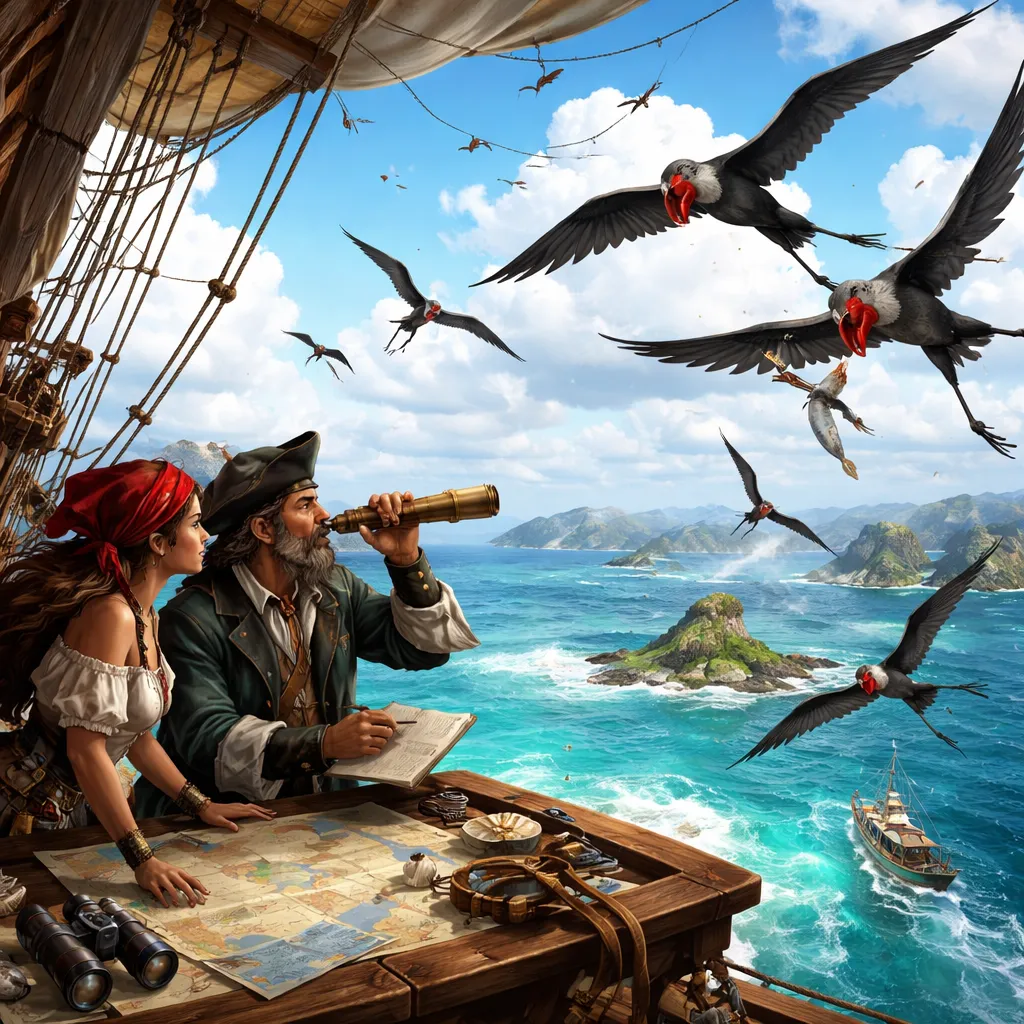
A frigatebird is a large seabird with long, pointed wings and a deeply forked tail. It has a wingspan of over seven feet. Its body is small compared to its wings. Frigatebirds are built for soaring. They can stay in the air for weeks without landing.
These birds are found over tropical oceans around the world. They are called man-o-war birds. They are known for stealing food from other birds. They chase other seabirds until they drop their catch. Then frigatebirds swoop down and grab the food.
Male frigatebirds have a bright red throat pouch. During breeding season, they inflate it like a balloon. It glows red in the sun. They use it to attract females. They also make drumming sounds with their beaks.
For children, frigatebirds are amazing. Their huge wings and stealing habits make them unforgettable. Learning about frigatebirds teaches children about seabirds, ocean ecosystems, and the amazing adaptations of tropical birds.
English Learning About This Animal
Let us learn the English word frigatebird. We say it like this: /ˈfrɪɡət bɜːrd/. The word has two parts. Frigate sounds like “frig-it.” Bird sounds like “bird.” Put them together: frigatebird. Say it three times. Frigatebird. Frigatebird. Frigatebird.
Now let us learn words about a frigatebird’s body. The wings are long and narrow. The tail is deeply forked. The gular pouch is the red throat sac on males. The feet are small and have webbing. The chicks are baby frigatebirds.
There is a famous saying about frigatebirds. Sailors say, “The frigatebird flies for weeks and never touches the sea.” This describes their aerial life. Another saying is, “The frigatebird steals its dinner from the sky.” This reflects their thieving habit.
These English words help children understand frigatebird anatomy. When they say gular pouch, they learn about the red throat. When they say chicks, they know the babies. Parents can practice these words while looking at pictures. Point to the parts. Say the words together.
Animal Facts and Science Knowledge
Frigatebirds belong to the family Fregatidae. There are five frigatebird species. They are found in tropical oceans. The magnificent frigatebird is the largest. The great frigatebird is also common. Frigatebirds are related to pelicans and boobies.
Frigatebirds live over tropical oceans. They nest on islands. They need trees or bushes for nesting. They spend most of their lives in the air. They cannot swim. Their feathers are not waterproof. If they land on water, they may drown.
Frigatebirds are carnivores. They eat fish, squid, and other marine animals. They catch flying fish near the surface. They also steal from other birds. They chase boobies, terns, and gulls. They grab the food from their beaks. This behavior is called kleptoparasitism.
Frigatebirds have special abilities. They have the largest wingspan relative to body size of any bird. They can soar for weeks. They can fly at high altitudes. They can sleep while flying. Their bones are lightweight. They have air sacs under their skin.
Male frigatebirds have a red gular pouch. During breeding season, they inflate it. It takes about twenty minutes to inflate. They also clatter their beaks. They wave their heads. They attract females to their nests. Females choose males with the brightest pouches.
How to Interact With This Animal Safely
Frigatebirds are wild seabirds. They are not pets. The best way to interact is to watch them from a boat or shore. Look for them soaring over the ocean. Watch their forked tails. Watch their long wings.
Teach children to respect frigatebirds. They are wild and need space. Do not try to approach them on nesting islands. They will abandon their nests if disturbed. Keep a safe distance.
If you visit a frigatebird colony, follow the rules. Stay on paths. Do not touch nests. Do not touch chicks. Frigatebirds are protected in many countries. Disturbing them is against the law.
Frigatebirds need healthy oceans. They need fish to eat. They need islands for nesting. Protecting ocean environments helps them thrive. Learning about them helps us understand why oceans matter.
In zoos, frigatebirds are rare. They need large spaces. They need to fly. Seeing them in the wild is the best way.
What Can We Learn From This Animal
Frigatebirds teach us about freedom. They soar for weeks without landing. Children learn that freedom is precious. Playing outside, exploring, and having space to grow are important.
Frigatebirds teach us about resourcefulness. They steal food to survive. Children learn that finding solutions is important. When things are hard, we can find new ways.
Frigatebirds teach us about showing off. Males puff their red pouches to attract mates. Children learn that sharing our talents, showing what we can do, and being proud of ourselves are good things.
Frigatebirds teach us about the ocean. They show us that the sea is full of life. Children learn that oceans are home to amazing creatures. Protecting the ocean protects frigatebirds.
Fun Learning Activities
Let us make learning about frigatebird fun. One activity is the frigatebird soar game. Ask your child to stretch arms out like long wings. Soar around the room without touching the ground. Glide. Turn. Chase other birds. Steal pretend fish. Say “frigatebird soars” and “frigatebird steals fish.”
Another activity is drawing a frigatebird. Look at pictures of frigatebirds. Notice the long wings, forked tail, and red throat pouch. Draw a frigatebird soaring over the ocean. Add a stolen fish in its beak. Label the parts. Say the words aloud.
Create a story about a frigatebird family. Ask your child what the male does. Does he inflate his pouch? Does he steal fish? Does he feed his chicks? Write a few sentences together. Let your child draw pictures. Read the story aloud.
Make a frigatebird craft. Use black paper for the wings. Add long, pointed wings. Add a deeply forked tail. Add a red throat pouch from paper. Add a small body. Move the craft frigatebird. Practice saying “frigatebird soars” and “frigatebird inflates its pouch.”
Learn about seabirds. Talk about other birds that live over the ocean. Compare frigatebirds to albatrosses and gulls. Use words like “soar,” “kleptoparasitism,” and “seabird.”
Learn about ocean conservation. Talk about why frigatebirds need healthy oceans. Discuss plastic pollution and overfishing. Use words like “ecosystem,” “conservation,” and “marine.”
These simple activities bring learning to life. Children build English vocabulary while playing. They learn science through understanding seabird adaptations. They develop appreciation through learning about ocean ecosystems. Learning about frigatebird becomes a journey over tropical seas. Each moment spent together strengthens language, curiosity, and a growing appreciation for the aerial pirates that teach us that freedom, resourcefulness, and showing off our brightest colors are part of the wild, wonderful world above the waves.