
A Friendly Hello and First Impressions
Zdravey! (ZDRAH-vey). This is a common, friendly "Hello" in Bulgarian. Blagodarya! (blah-goh-DAH-ryah). This is a warm "Thank you". People say it with a smile. Learning reading about Bulgaria starts with these welcoming Slavic words.
Bulgaria sits in Southeast Europe. Its shape looks like a rough rectangle. The rectangle has a curved top. The country is on the Balkan Peninsula. The Black Sea is to the east. Romania, Serbia, and Greece are its neighbors. The land is a beautiful mix of mountains and plains.
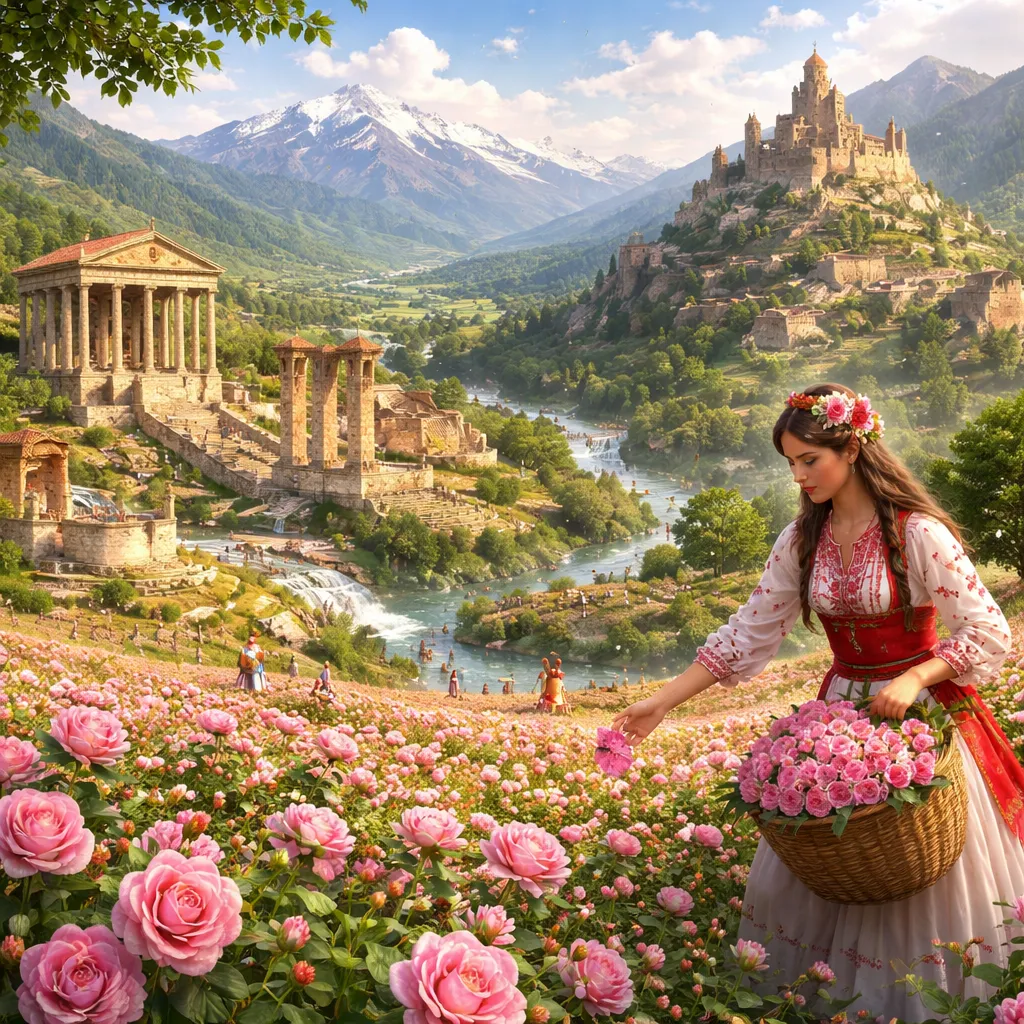
People call it the "Land of Roses". The Rose Valley is in the center. It produces most of the world's rose oil. Another nickname is the "Country of the Bulgars". The Bulgars were ancient warriors. They founded the first Bulgarian state. Are you ready to smell the roses and hear the legends?
Deep Dive into Culture and Stories
Echoes of History
A long time ago, a great king ruled. His name was Tsar Simeon I. He ruled in the 10th century. His reign was a "Golden Age". Bulgaria was a major European power. Arts and literature flourished. The Cyrillic alphabet developed here. This alphabet is used by millions today. His court in Preslav was a center of learning. His story is a proud start for learning reading about Bulgaria.
Another important figure is Khan Asparuh. He founded the First Bulgarian Empire. This happened in 681 AD. He united the Bulgars and the Slavs. This created a strong, new state. The empire became a center of Slavic culture. It fought the Byzantine Empire. This early kingdom set the stage for Bulgarian identity.
A Gift to the World
Bulgaria gave the world the Cyrillic alphabet. Two brothers created it. They were Saints Cyril and Methodius. They were from Thessaloniki. But their work was continued in Bulgaria. Their students, Clement and Naum, taught in Bulgaria. They adapted the Glagolitic script. The new script was called Cyrillic. It was easier to write. It helped spread Slavic literacy. Today, many countries use this alphabet. It is a huge cultural gift.
A Land of Mountains and Valleys
Bulgaria has diverse landscapes. The Balkan Mountains run east-west. They divide the country. The south has the Rhodope Mountains. They are green and full of legends. The north has the fertile Danubian Plain. The east has the Black Sea coast. The highest peak is Musala. It is in the Rila mountain range.
The climate is continental. This means hot summers and cold winters. The coast has milder weather. The mountains get heavy snow. This affects life. People grow roses, lavender, and grapes. Sunflowers and wheat grow on the plains. Traditional houses have thick walls and red-tiled roofs. The design keeps heat in during winter and out during summer.
A special animal is the brown bear. It lives in the remote mountains. It is a symbol of wild nature. The national bird is the great tit. It is a small, cheerful songbird. The national flower is the rose. Specifically, the Damask rose. Its oil is used in perfumes. It is called "liquid gold".
Landmarks of Faith and Stone
Visit the Rila Monastery. It is the largest monastery in Bulgaria. It sits in the Rila Mountains. It was founded in the 10th century. A hermit named Ivan of Rila started it. The monastery has beautiful frescoes. The arches and columns are black, white, and red. A legend says a secret tunnel exists. It leads to a hidden treasure chamber. The monastery is a UNESCO World Heritage site.
See the ancient city of Nessebar. It is on a rocky peninsula. The city is over 3,000 years old. Greeks, Romans, and Byzantines lived here. The town has many old churches. They have beautiful brickwork. The city is called the "Pearl of the Black Sea". A fun story says the sea once flooded the city. Only the tallest buildings remained above water.
Another wonder is the Belogradchik Rocks. They are in northwest Bulgaria. They are giant, strange rock formations. Wind and rain carved them over millions of years. They look like people, animals, and castles. Local legends give them names. One rock is called "The Madonna". Another is "The Bear". The rocks glow red at sunset. It is a magical sight.
Festivals of Fire and Folklore
The most magical festival is Nestinarstvo. It is the fire-dancing ritual. It happens in some villages in the Strandzha Mountains. It is on the day of Saints Constantine and Helena. Dancers walk on hot embers. They do this in a trance. They believe saints protect them. The ritual is ancient and spiritual. It is a UNESCO cultural heritage event.
Another big celebration is Baba Marta. It means "Grandma March". It is on March 1st. People give each other red and white bracelets. The bracelets are called "martenitsi". They are a symbol of health and happiness. People wear them until they see a stork or a blossoming tree. Then they tie the bracelet to a tree. This welcomes spring. The day is full of color and hope.
Food and Flavors
The national dish is Shopska salad. It is a fresh, colorful salad. It has tomatoes, cucumbers, onions, and peppers. It is topped with grated white cheese. The colors are red, green, and white. These are the colors of the Bulgarian flag. People eat it in summer. It is light, healthy, and delicious. It tastes like a fresh garden.
You must try Banitsa. It is a flaky, layered pastry. It is made with filo dough. The filling is usually cheese, eggs, and yogurt. Sometimes it has spinach or pumpkin. People eat it for breakfast or a snack. A hot banitsa is crispy and soft. It tastes like a warm, cheesy blanket.
A Culture of Song and Innovation
Bulgarian folk music is unique. It has complex harmonies. Women often sing in groups. Their voices sound otherworldly. The music was sent into space on the Voyager Golden Record. It represents Earth's culture. This musical tradition is a beautiful part of learning reading about Bulgaria.
Bulgaria is a leader in information technology. It has a strong IT sector. Many young people are software engineers. The country is called the "Silicon Valley of Eastern Europe". It produces computer games and software. This modern skill mixes with ancient traditions. It shows the country's adaptability.
Tips for Young Explorers
Cultural Manners Matter
Bulgarians are warm but can seem reserved. A firm handshake is the common greeting. Say "Zdravey" with eye contact. Use titles like "Gospodin" (Mr.) or "Gospozha" (Mrs.) with the last name. This is polite. Wait for the other person to invite you to use first names.
Nodding and shaking heads can be confusing. A nod means "no". A shake of the head means "yes". This is opposite of many places! It is okay to say "da" (yes) and "ne" (no) clearly.
When visiting a home, bring a small gift. Flowers, chocolates, or wine are good. Give an odd number of flowers. Even numbers are for funerals. This is very important. Take off your shoes at the door.
A Note on Staying Safe
Bulgaria is a safe country. But be careful in big cities. Watch for pickpockets in crowded areas. Keep your bag in front of you. Do not walk alone in dark parks at night.
The mountains are beautiful but can be dangerous. Always hike with a guide or a group. Tell someone your plan. The weather changes fast. Wear proper shoes and clothing.
A Tasty Stop
Look for "kiselo mlyako" in any shop. This is Bulgarian yogurt. It is famous worldwide. It is thick, creamy, and tangy. Eat it plain or with honey. It is full of good bacteria. It is healthy and delicious. Try it with a spoonful of jam. The taste is fresh and creamy.
Healthy and Happy Travels
Tap water is generally safe in cities. But many people drink bottled water. It is widely available. In rural areas, ask if the water is okay. If unsure, choose bottled water.
The sun can be strong in summer. Use sunscreen. Wear a hat. The mountains have strong UV rays. Protect your skin even on cloudy days.
Wear comfortable walking shoes. The old towns have cobblestone streets. The stones are uneven. Good shoes make exploring more fun. You can walk for hours.
Your Invitation to Explore
Start your journey with the alphabet. Look up the Cyrillic alphabet online. Try to write your name with the new letters. The shapes are interesting. This is a perfect way of learning reading about Bulgaria. Or, listen to Bulgarian folk music. Hear the unique harmonies. It sounds like nothing else.
Visit a local market. Look for Bulgarian feta cheese. It is called "sirene". Taste it in a salad. Or, find rose water or rose jam. Taste the flavor of the Rose Valley. Imagine the fields of pink flowers.
The world is a big, open book. Each country is a different chapter. Bulgaria's chapter is about roses, yogurt, and heroic kings. Open it with curiosity. Read about its monasteries, music, and mountains. Your curiosity is your guide.
Bulgarian families share a Shopska salad on a hot day. Friends hike in the Rila Mountains. Children wear martenitsi to welcome spring. We all know these feelings. We love sharing fresh food. We enjoy nature. We celebrate the changing seasons. Learning about Bulgaria shows us this. Our global family shares simple, beautiful traditions. Keep exploring, one page, one country, at a time. Your adventure has just begun.