
A Friendly Hello and First Impressions
Konnichiwa! (koh-nee-chee-wah). This is a polite "Hello" in Japanese. Arigatou! (ah-ree-gah-toh). This is a warm "Thank you". People say it with a bow. Learning reading about Japan starts with these respectful, gentle words.
Japan is an island nation in East Asia. Its shape looks like a long, curved dragon. The dragon swims in the Pacific Ocean. The country is in Asia. South Korea and Russia are its neighbors. The Pacific Ocean, Sea of Japan, and East China Sea surround it. The land is a string of over 6,800 islands. It is a country of mountains, forests, and mega-cities.
People call it the "Land of the Rising Sun". The Japanese flag is a red sun on a white background. Another name is "Nippon" or "Nihon". This means "sun origin". Are you ready to see where tradition and future meet?
Deep Dive into Culture and Stories
Echoes of History
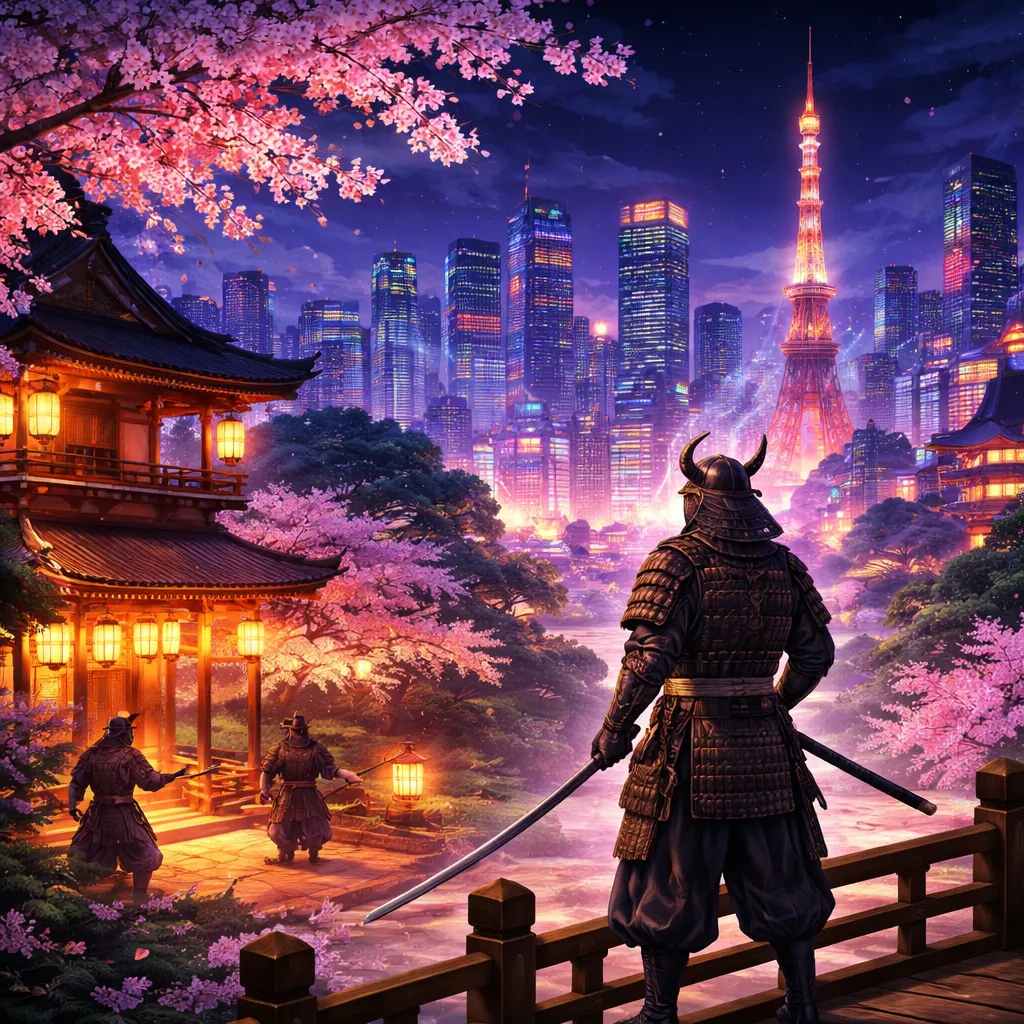
A famous class of warriors ruled long ago. They were the samurai. They served powerful lords called daimyo. They lived by a strict code called "bushido". This code valued honor, courage, and loyalty. The samurai era lasted for centuries. It ended in the 1800s. Their story is a key part of learning reading about Japan. It is a story of discipline and duty.
Another important period was the Edo period. Japan closed its doors to the world. This lasted for over 200 years. The country developed a unique and peaceful culture. This isolation shaped Japan's identity.
A World of Precision and Pop Culture
Japan gives the world two big gifts. The first is precision manufacturing. Companies like Toyota and Sony are world leaders. The second is pop culture. Anime (animation) and manga (comics) are loved globally. This mix of quality and creativity is a key part of learning reading about Japan. It shows a balance of skill and imagination.
A Land of Volcanoes and Forests
Japan's geography is dramatic. The islands are very mountainous. Many mountains are volcanoes. Mount Fuji is the most famous. The land has many forests and short rivers. The landscape is rugged and beautiful.
The climate has four distinct seasons. Summers are hot and humid. Winters are cold and snowy in the north. The environment shapes life. People grow rice, tea, and vegetables. They build houses to withstand earthquakes. Traditional houses have sliding paper doors. They have straw mats called tatami. The main exports are cars, electronics, and machines.
A special animal is the Japanese macaque. It is the snow monkey. It bathes in hot springs. The national animal is the green pheasant. The national bird is the green pheasant. The national flower is the cherry blossom. The national tree is the Japanese red cedar.
Landmarks of Peace and Perfection
Visit Mount Fuji. It is Japan's highest mountain. It is a perfect cone-shaped volcano. It is often covered in snow. Many people climb it in summer. A fun legend says a goddess lives inside. The mountain is a symbol of beauty. It is a UNESCO site.
See the Itsukushima Shrine. It is on Miyajima Island. A giant red torii gate stands in the sea. It looks like it is floating at high tide. Deer roam the island freely. A legend says the island is so sacred. People cannot be born or die there. The shrine is serene and majestic.
Another wonder is the Tokyo Skytree. It is a very tall broadcasting tower. It is 634 meters tall. You can see the whole city from the top. The tower uses ancient earthquake-resistant designs. It is a symbol of modern Japan.
Festivals of Blossoms and Lanterns
The most beautiful festival is Hanami. This is cherry blossom viewing. It happens in spring. The cherry trees bloom for about one week. Families have picnics under the trees. They enjoy food and drinks. They watch the pink petals fall.
The festival is about beauty, life, and spring. It is a time to appreciate nature. The feeling is peaceful and joyful. Everyone celebrates the fleeting beauty.
Another important day is Coming of Age Day. It is on the second Monday of January. Young people who turn 20 celebrate. They wear traditional clothes. Women wear kimono. Men wear hakama. They attend ceremonies at city halls. The day is about becoming an adult.
Food and Flavors
A national dish is Sushi. It is vinegared rice with raw fish or vegetables. It is an art form. The chef prepares it with great care. People eat it at restaurants or buy it at shops. Good sushi is fresh, delicate, and delicious. It is a celebration of taste.
You must try Ramen. It is a noodle soup dish. The broth can be pork, chicken, or soy sauce based. It has wheat noodles and toppings. Toppings include pork, egg, and seaweed. People eat it quickly and loudly. A good ramen is savory, hearty, and comforting. It is the ultimate fast food.
A Culture of Respect and Innovation
Respect is very important in Japan. People bow to each other. They are quiet on public transport. They clean up after themselves. This value is called "rei". It is a key part of learning reading about Japan. It makes society harmonious.
Japan is a leader in technology. The Shinkansen bullet train is famous. It is very fast and punctual. Robotics is also advanced. Robots can dance, help in hospitals, and do factory work. This shows a drive for the future.
Tips for Young Explorers
Cultural Manners Matter
Bowing is a common greeting. A slight bow is enough. Do not hug or kiss as a greeting. Say "Konnichiwa". Use last names with "-san". For example, "Tanaka-san". This is polite. Wait to use first names.
Remove your shoes indoors. This is a must. You will see a step at the entrance. Change into slippers. Use separate toilet slippers in the bathroom. Never wear shoes on tatami mats.
Be quiet in public. Do not talk loudly on trains or buses. Do not eat while walking. This is considered rude. Stand on the left side of escalators. Let people pass on the right.
A Note on Staying Safe
Japan is a very safe country. But be careful in big cities at night. Watch for pickpockets in crowded areas. Use common sense. Natural disasters can happen. Learn about earthquake safety. Follow instructions from authorities.
The sun in summer is very strong. Use sunscreen. Wear a hat. Drink lots of water. Stay hydrated. In winter, dress warmly. The north gets very cold.
A Tasty Stop
Look for a "takoyaki" stand. Takoyaki are ball-shaped snacks. They are made of batter filled with octopus. They are cooked in a special pan. They are topped with sauce and bonito flakes. Eat them hot with a toothpick. The takoyaki are soft, savory, and delicious. They are a popular street food.
Healthy and Happy Travels
Tap water is safe to drink everywhere. It is clean and fresh. Carry a refillable bottle. This saves plastic and money. Vending machines are everywhere. They sell both hot and cold drinks.
Walk a lot. Japanese cities are very walkable. Wear comfortable shoes. You will explore temples, parks, and shopping streets. Your feet will thank you.
Carry a small plastic bag for trash. Public trash cans are rare. People take their trash home. This keeps the streets clean. Be prepared to do the same.
Your Invitation to Explore
Start your journey with a poem. Try writing a haiku. A haiku has three lines. The pattern is 5, 7, 5 syllables. Write about nature. Or, watch a Studio Ghibli anime film. See the beautiful animation. This is a wonderful way of learning reading about Japan.
Visit a Japanese garden or a botanical garden. Look for cherry trees or koi fish. Feel the peace and balance. You can also try making onigiri (rice balls) at home. Shape the rice with your hands. Taste the simple, satisfying flavor.
The world is a big, open book. Each country is a different chapter. Japan's chapter is about samurai, sushi, and cutting-edge cities. Open it with curiosity. Read about its temples, traditions, and technological wonders. Your curiosity is your guide.
Japanese families have a quiet picnic under cherry blossoms. Friends soak together in a hot spring. Children read manga on the train. We all know these scenes. We love beauty in nature. We enjoy relaxing with friends. We get lost in a good story. Learning about Japan shows us this. Our global family shares the same joys. Keep exploring, one page, one country, at a time. Your adventure has just begun.