What Are Animals?
Animals are living things.
Animals can move.
Animals need food and water.
Animals live in many places.
Some animals live on farms.
Some animals live in homes.
Some animals live in forests, oceans, or deserts.
Learning examples of animals helps build basic English vocabulary. Animal words are common in stories, songs, and daily conversation.
Simple words.
Clear meaning.
Strong foundation.
Examples of Farm Animals
Farm animals live on farms and often help people. These animals are easy to recognize and are often introduced in early English lessons.
Cow
Pig
Sheep
Horse
Chicken
Duck
Goat
A cow gives milk.
A pig lives in a pen.
A sheep has wool.
A horse runs fast.
A chicken lays eggs.
A duck swims in a pond.
A goat eats grass.
Farm animal vocabulary connects with food and daily life. Many children see these animals in books and pictures.
Examples of Pets
Pets live in homes. Pets are friendly and close to families.
Dog
Cat
Fish
Bird
Rabbit
Hamster
A dog barks and plays.
A cat sleeps and climbs.
A fish swims quietly.
A bird sings.
A rabbit hops.
A hamster runs on a wheel.
Pet vocabulary is useful for conversation practice. Many learners enjoy talking about animals they have at home.
Short sentences build confidence.
The dog is friendly.
The cat is soft.
Examples of Wild Animals
Wild animals live in nature. They are not usually kept as pets.
Lion
Tiger
Elephant
Monkey
Bear
Wolf
Fox
A lion is strong.
A tiger has stripes.
An elephant is very big.
A monkey climbs trees.
A bear has thick fur.
A wolf runs in a group.
A fox is clever.
Wild animal words appear often in stories and documentaries. Learning these examples of animals supports reading comprehension.
Examples of Ocean Animals
Ocean animals live in water. They swim and breathe differently from land animals.
Shark
Dolphin
Whale
Octopus
Crab
Sea turtle
A shark has sharp teeth.
A dolphin jumps in the sea.
A whale is the largest animal in the ocean.
An octopus has eight arms.
A crab walks sideways.
A sea turtle swims slowly.
Ocean vocabulary connects English learning with science topics.
Examples of Forest Animals
Forest animals live in trees and grasslands.
Deer
Rabbit
Squirrel
Owl
Raccoon
A deer runs quickly.
A squirrel climbs trees.
An owl flies at night.
A raccoon looks for food.
These animals are common in storybooks and nature programs.
Examples of Desert Animals
Desert animals live in hot, dry places.
Camel
Lizard
Snake
Scorpion
A camel stores fat in its hump.
A lizard moves quickly on sand.
A snake slithers.
A scorpion has a sharp tail.
Desert vocabulary introduces habitat learning.
Habitat means the place where an animal lives.
Animal Sounds in English
Animal sounds are fun to practice.
Dog says woof.
Cat says meow.
Cow says moo.
Duck says quack.
Sheep says baa.
Sound words improve pronunciation and listening skills. Repeating animal sounds makes lessons lively.
Fun and active.
Easy to remember.
Using Adjectives with Animal Examples
Descriptive words make sentences stronger.
Big elephant.
Small mouse.
Fast horse.
Slow turtle.
Furry cat.
Wild tiger.
Adding adjectives builds longer sentences.
The big elephant walks slowly.
The small mouse runs quickly.
Sentence expansion improves grammar skills.
Grouping Examples of Animals
Animals can be grouped by type.
Mammals: dog, cat, cow, lion.
Birds: eagle, duck, owl.
Fish: salmon, goldfish, shark.
Reptiles: snake, lizard, turtle.
Grouping helps organize vocabulary. Organized learning improves memory.
Cultural and Global Animal Examples
Different countries have different common animals.
In Australia, kangaroos are famous animals.
In Canada, moose are common in some regions.
In India, elephants are important cultural animals.
Learning global examples of animals builds world knowledge and cultural awareness.
Practice Activities with Animal Vocabulary
Animal Charades: Act like an animal. Others guess the name.
Animal Matching: Match animal pictures to words.
Sentence Building: Write one sentence for each animal.
The lion roars loudly.
The rabbit eats carrots.
Interactive practice strengthens memory.
Repetition builds fluency.
Why Learning Examples of Animals Matters
Animal vocabulary is foundational in English learning. These words appear in stories, conversations, science lessons, and everyday speech. Recognizing and using examples of animals supports reading, writing, speaking, and listening skills.
Simple words first.
Stronger vocabulary later.
Clear pronunciation.
Confident communication.
Animal examples create a strong base for future English growth.
Examples of Baby Animals
Baby animal names are important vocabulary. These words often appear in stories and classroom lessons.
Puppy – baby dog
Kitten – baby cat
Calf – baby cow
Lamb – baby sheep
Foal – baby horse
Chick – baby chicken
Cub – baby lion or bear
A puppy is playful.
A kitten is small and soft.
A lamb stays close to its mother.
Learning baby animal names expands word knowledge. It also helps learners understand family relationships in nature.
Examples of Animal Body Parts
Animal vocabulary also includes body parts. These words are useful in both science and daily English.
Tail
Wing
Fur
Feather
Beak
Claw
Horn
Fin
A bird has wings and feathers.
A fish has fins.
A cow has horns.
A monkey has a long tail.
Describing animals with body part vocabulary builds longer and more detailed sentences.
The brown horse has a long tail.
The white duck has small wings.
Details make sentences stronger.
Examples of Animals by Size
Animals can be grouped by size. This helps learners practice adjectives.
Large animals:
Elephant
Whale
Giraffe
Hippopotamus
Small animals:
Ant
Mouse
Frog
Bee
The elephant is huge.
The ant is tiny.
Size comparison builds grammar patterns.
The whale is bigger than the shark.
The mouse is smaller than the cat.
Comparative practice improves sentence structure.
Examples of Animals by Movement
Animals move in different ways. Action verbs connect naturally with animal examples.
Run – horse, dog
Jump – rabbit, frog
Fly – eagle, butterfly
Swim – fish, dolphin
Crawl – snake, lizard
The frog jumps high.
The eagle flies in the sky.
The dolphin swims fast.
Movement vocabulary strengthens verb understanding. It also makes speaking practice more active.
Examples of Animals by Diet
Animals eat different kinds of food. This introduces science vocabulary.
Herbivores eat plants.
Cow
Rabbit
Deer
Carnivores eat meat.
Lion
Tiger
Wolf
Omnivores eat both plants and meat.
Bear
Pig
The cow eats grass.
The lion eats meat.
The bear eats fish and berries.
Learning diet categories improves subject connection between English and science.
Examples of Animals in Cold Places
Some animals live in cold climates.
Polar bear
Penguin
Seal
Arctic fox
The polar bear has thick fur.
The penguin cannot fly but swims well.
In Antarctica, penguins are common.
In the Arctic, polar bears live.
Climate vocabulary expands geographic knowledge.
Examples of Animals in Rainforests
Rainforests are warm and wet. Many unique animals live there.
Toucan
Jaguar
Sloth
Poison dart frog
The toucan has a colorful beak.
The sloth moves slowly in trees.
Rainforest animals often appear in documentaries and storybooks.
Exposure builds listening skills.
Listening builds comprehension.
Animal Life Cycles
Some animals change as they grow. Learning life cycle vocabulary builds deeper understanding.
Egg → Chick → Chicken
Egg → Tadpole → Frog
Caterpillar → Butterfly
A caterpillar becomes a butterfly.
A tadpole grows into a frog.
Life cycle vocabulary strengthens sequencing skills.
First.
Then.
Finally.
Clear structure supports logical thinking.
Animal Habitats and Homes
Animals live in specific homes.
Nest – bird
Den – bear
Hive – bee
Stable – horse
Burrow – rabbit
The rabbit lives in a burrow.
The bee lives in a hive.
Matching animals to homes builds vocabulary connections.
Connections improve memory.
Writing Practice with Animal Examples
Short paragraphs provide structured practice.
The small squirrel runs across the park. It climbs a tall tree and looks for nuts. Suddenly, it sees a large dog. Quickly, it jumps to another branch and hides.
Animal examples support storytelling. Stories make vocabulary meaningful.
Meaningful learning lasts longer.
Review and Reinforcement
Weekly review keeps vocabulary fresh. Flashcards, matching games, and short quizzes reinforce animal names. Speaking practice helps with pronunciation accuracy.
Spell the word.
Say the word.
Use the word in a sentence.
Simple steps.
Strong results.
Examples of animals are foundational vocabulary in English learning. These words appear in reading passages, science lessons, conversations, and creative writing. Through repetition, grouping, description, and storytelling, animal vocabulary becomes active, confident language knowledge that supports long-term English development.
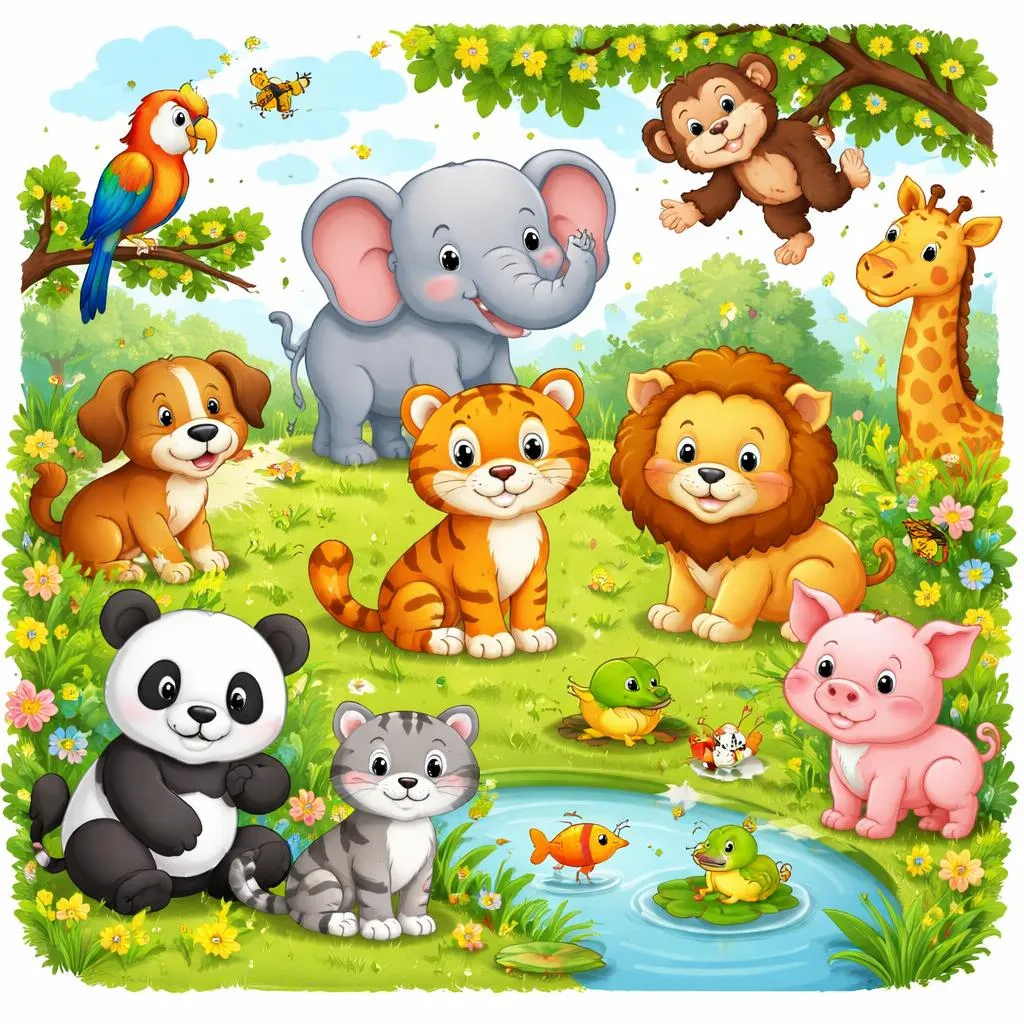
What Are Some Examples of Animals? Easy Animal Vocabulary for English Learners
