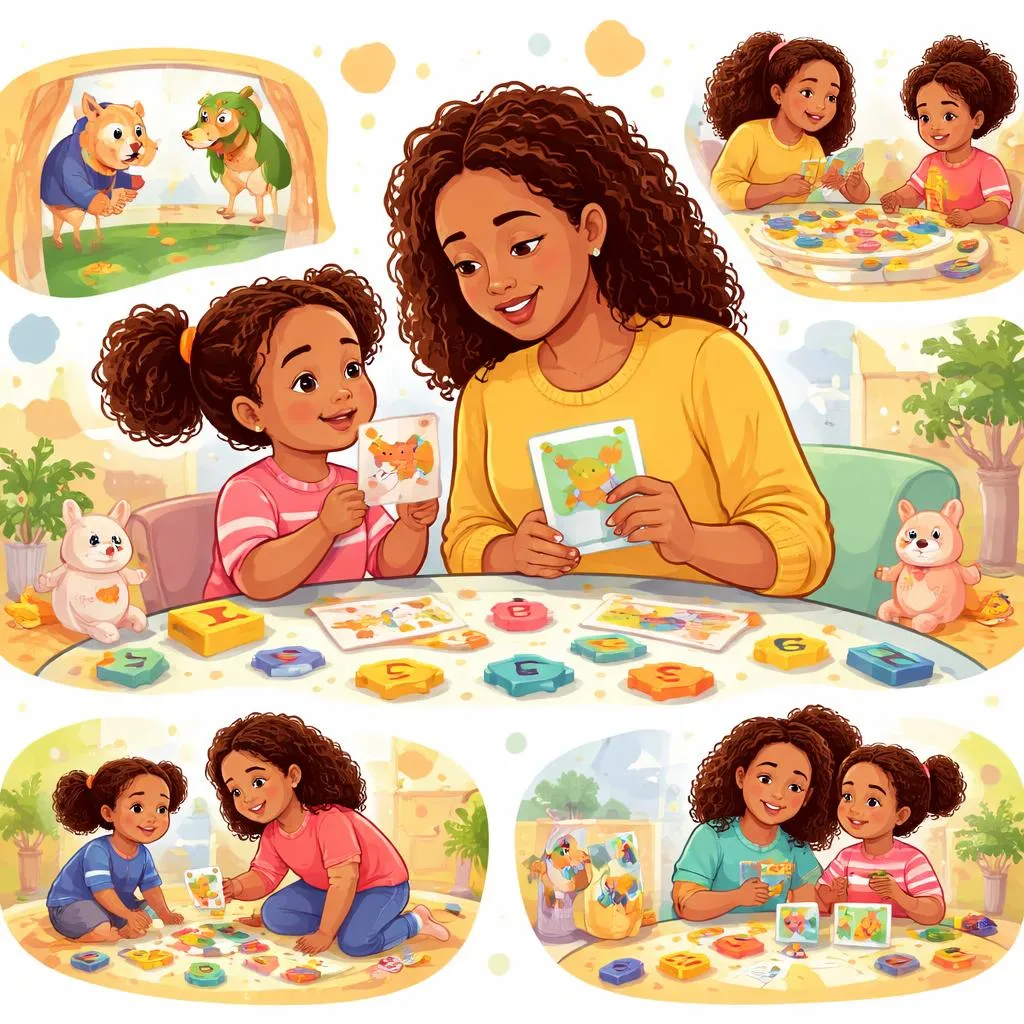

The relationship between a child and their mother is one of the most important bonds in early development. Mothers are often children's first teachers, first storytellers, and first conversation partners. Today, we are going to explore me and my mom activities that build language skills while strengthening this special connection.
What Does Me and My Mom Mean for Language Development? The time a child spends with their mother is rich with language learning opportunities. Everyday conversations, stories, and activities build vocabulary and communication skills. When children talk about "me and my mom," they are practicing important language about relationships and themselves.
Mothers naturally adjust their language to match their child's level. They repeat words, ask questions, and respond to their child's attempts at communication. This responsive interaction is exactly what young children need to develop language.
Activities that bring mothers and children together create natural contexts for conversation. Whether cooking, reading, or playing, these shared experiences give children something to talk about and someone to talk with.
Meaning and Explanation of Family Language When children talk about their family, they learn important vocabulary and language patterns.
Family Words: Mom, mother, mommy, mama, parent. Children learn different ways to name this important person.
Relationship Words: My, me, we, us, together. Children learn words that describe their connection to others.
Action Words: Hug, kiss, help, play, read, cook, laugh. Children learn verbs for the things they do with their mothers.
Feeling Words: Love, happy, safe, warm, special. Children learn to express emotions about relationships.
Time Words: Now, later, yesterday, tomorrow, always. Children learn to talk about when things happen with their mothers.
Daily Life Examples of Me and My Mom Activities Everyday moments provide rich opportunities for language building. Here are examples of activities and the language that goes with them.
Morning Routines: Getting dressed, eating breakfast, brushing teeth. "Mom helps me put on my shoes." "Me and Mom eat cereal together." "Mom brushes my hair gently."
Meal Times: Cooking together, setting the table, eating. "Me and Mom made pancakes." "Mom cuts my food into small pieces." "I help Mom stir the soup."
Play Time: Playing games, doing puzzles, building with blocks. "Mom and I built a tall tower." "I play hide and seek with Mom." "Mom reads me stories."
Bedtime: Bath time, putting on pajamas, reading stories. "Mom tucks me into bed." "Me and Mom read a book together." "Mom sings me a lullaby."
Special Times: Going to the park, visiting grandma, celebrating birthdays. "Me and Mom went to the playground." "Mom held my hand at the party." "I made a card for Mom."
Printable Flashcards for Me and My Mom Flashcards help children learn vocabulary related to family and daily activities. Each card should show a clear picture and the word.
Create cards for:
Family members: mom, dad, sister, brother, baby
Actions: hug, kiss, hold hands, read, cook, play
Feelings: love, happy, safe, warm
Places: home, kitchen, bedroom, park
On the back of each card, include a simple sentence. "Mom hugs me." "Me and Mom read books."
Learning Activities or Games for Me and My Mom Games make learning about family relationships active and engaging. Here are activities that work well in the classroom or at home.
All About My Mom: Children draw pictures of their moms and tell about them. "My mom has brown hair." "My mom likes to cook spaghetti." "My mom gives the best hugs." This builds descriptive language.
Me and My Mom Book: Create a simple book about things children do with their moms. Each page has a sentence and a drawing. "Me and Mom bake cookies." "Me and Mom go to the park." "Me and Mom read stories."
Mom and Me Matching: Create cards with actions and match them to children. "Who helps you tie your shoes?" Children match to "Mom." "Who reads you bedtime stories?" Match to "Mom."
Thank You, Mom: Children dictate or write thank you notes to their mothers. "Thank you for playing with me." "Thank you for making my lunch." This builds gratitude and writing skills.
Mom Puppet: Create simple puppets representing moms. Children use them to act out things they do with their mothers.
Me and My Mom Songs Music helps children remember vocabulary and express feelings about their mothers. Here are some simple songs to sing.
I Love My Mom (to the tune of "Row, Row, Row Your Boat"):
Love, love, love my mom, Love her every day. Hugs and kisses, smiles and fun, That's how we play.
Me and Mom (original chant):
Me and Mom, Mom and me, Happy as can be. Cooking, reading, playing too, That's what we like to do.
Mommy and Me (to the tune of "Twinkle, Twinkle"):
Mommy and me, hand in hand, Walking through the park so grand. Talking, laughing, having fun, Playing in the warm, bright sun. Mommy and me, hand in hand, Best friends in the whole wide land.
Me and My Mom Books Picture books about mothers and children reinforce vocabulary and celebrate this special relationship.
"Are You My Mother?" by P.D. Eastman tells the story of a baby bird searching for his mother. Children relate to the search for mom.
"Llama Llama Red Pajama" by Anna Dewdney shows a baby llama missing his mama at bedtime. The story resolves with mother's comfort.
"Mommy Hugs" by Karen Katz celebrates the many ways mothers hug their children.
"The Runaway Bunny" by Margaret Wise Brown shows a little bunny trying to run away and his mother finding him wherever he goes.
While reading, connect to children's own experiences. "Does your mom hug you like that?" "What do you and your mom do together?"
Me and My Mom Art Projects Art activities help children express their feelings about their mothers creatively.
Mom Portrait: Children draw pictures of their mothers. They add details like hair color, eye color, and favorite clothes. They can dictate or write sentences about their drawings.
Handprint Flowers: Trace children's hands on colored paper. Cut them out and arrange them like flowers on stems. Write "I love you, Mom" on each one.
Coupon Book: Create a coupon book for Mom. Each coupon is good for something. "One big hug." "Help with dishes." "Make my bed." This builds literacy and kindness.
Mother's Day Card: Create special cards for Mother's Day or any day. Children write or dictate messages about why they love their moms.
Discussing Different Families Every family is different. Some children live with their mothers. Some have two mothers. Some have grandmothers who are like mothers. Some have stepmothers or foster mothers.
When discussing "me and my mom," we use inclusive language. We talk about the special grown-ups who care for children. We respect all family structures.
We can ask children to tell about the special people in their lives. Who takes care of them? Who reads to them? Who plays with them? This honors each child's unique family.
Me and My Mom Throughout the Year The relationship with mothers can be celebrated throughout the year, not just on Mother's Day.
In spring, talk about planting flowers with Mom. In summer, talk about trips to the beach with Mom. In fall, talk about raking leaves with Mom. In winter, talk about making hot cocoa with Mom.
These seasonal connections keep the topic fresh and relevant all year long.
Creating a Class Book About Moms A wonderful project is creating a class book about mothers. Each child contributes one page.
Page one: "My mom has brown hair and green eyes." Page two: "My mom makes the best pancakes." Page three: "My mom reads me stories at night." Page four: "My mom gives the best hugs." Page five: "My mom and I play at the park."
Children draw pictures and dictate or write their sentences. The book becomes a class treasure that children read again and again.
Inviting Moms to School If possible, invite mothers to visit the classroom. They can read a story, share a talent, or just spend time with their child.
Before the visit, prepare questions children can ask. "What was your favorite toy when you were little?" "What is your favorite thing to do with me?"
During the visit, take photos. Afterward, children can draw pictures and dictate stories about their mom's visit.
These experiences create lasting memories and build connections between home and school.
As we explore me and my mom with young children, we celebrate one of the most important relationships in their lives. We give them language to talk about this special bond. We honor the unique ways mothers and children connect. Through stories, songs, and activities, children express their love and appreciation. They learn that the time spent with their mothers is precious and worth talking about. This foundation of love and language will serve them throughout their lives.