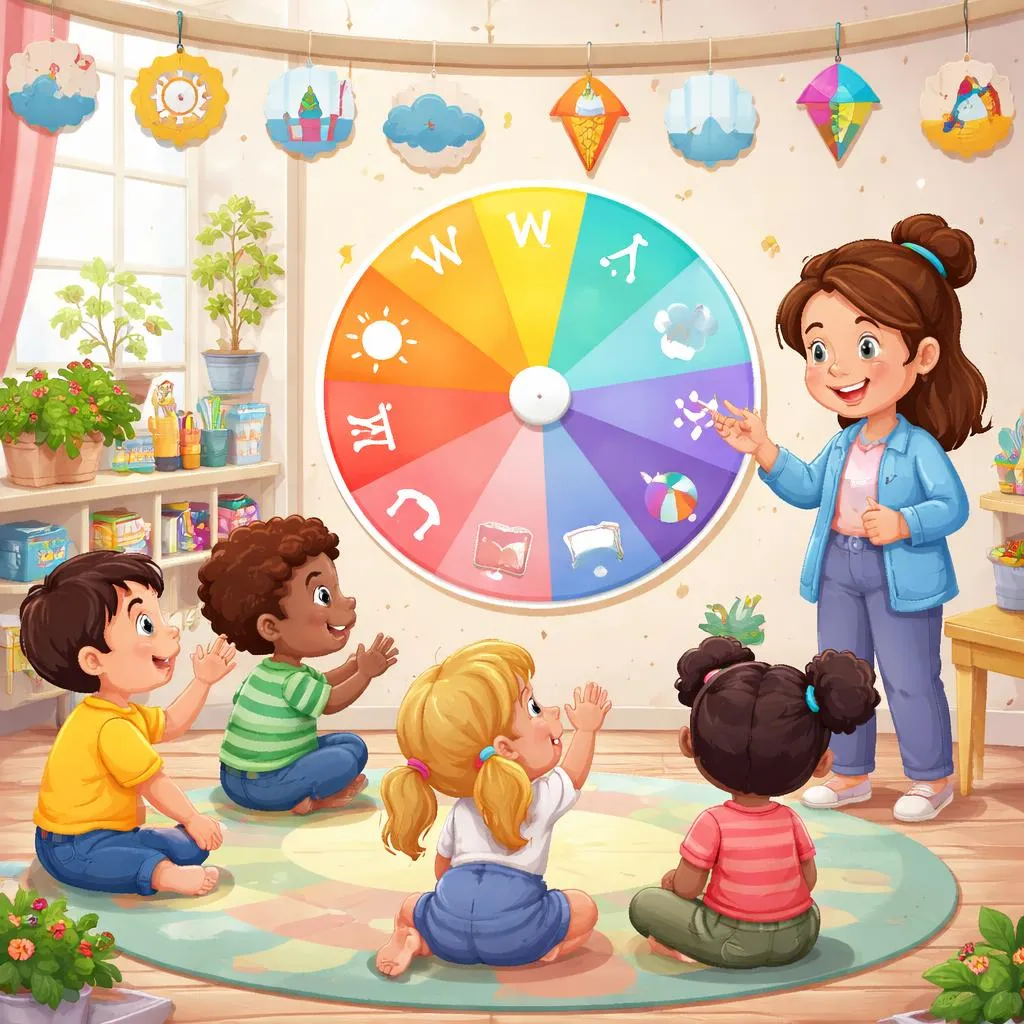

What is what are the days of the week?
The phrase what are the days of the week is a common question in early English learning.
A teacher uses this question to introduce time vocabulary. It helps learners understand how a week is organized in English.
In simple terms, the days of the week are seven special names. They repeat in the same order every week.
This topic builds a foundation for talking about routines and schedules. It also supports reading calendars and school timetables.
Meaning and explanation
A week has seven days. Each day has a unique English name.
The days of the week are: Monday, Tuesday, Wednesday, Thursday, Friday, Saturday, Sunday.
These names help people talk about time. They help people plan school, work, and rest.
A teacher explains that English-speaking countries often start the week on Monday. Some calendars start on Sunday. Both systems appear in books and apps.
Understanding this difference helps learners read global materials.
Categories or lists
The days of the week can be grouped in simple categories.
Weekdays include Monday, Tuesday, Wednesday, Thursday, and Friday. These days often connect with school and work.
Weekend days include Saturday and Sunday. These days often connect with rest, family time, and hobbies.
This grouping helps learners talk about daily life patterns. It also supports basic conversation practice.
A teacher may introduce abbreviations. Mon, Tue, Wed, Thu, Fri, Sat, Sun. These short forms appear in calendars and schedules.
Daily life examples
Real-life sentences make the topic meaningful.
School starts on Monday. English class is on Tuesday. Math class is on Wednesday. Art class is on Thursday. Music class is on Friday.
Family activities often happen on Saturday. Rest and trips often happen on Sunday.
A teacher encourages simple speaking practice. Today is Monday. Tomorrow is Tuesday. Yesterday was Sunday.
These sentences connect days with time expressions. They support present, past, and future thinking.
Stories also help. On Monday, the teacher reads a story. On Friday, the class plays a game. On Sunday, the family visits grandparents.
This narrative approach strengthens vocabulary memory.
Printable flashcards
Printable flashcards support visual learning.
Each card shows one day of the week. The card includes the word and a picture.
Monday can show a school bag. Tuesday can show a book. Wednesday can show a pencil. Thursday can show a paintbrush. Friday can show a music note. Saturday can show a ball. Sunday can show a sun or family image.
A teacher can use these cards for quick drills. Show a card and say the word. Learners repeat and spell the word aloud.
Cards can also be placed in order on the board. This activity shows the weekly sequence clearly.
Learning activities or games
Games make time vocabulary lively and memorable.
A sequencing game works well. Mix the day cards and ask learners to place them in order. This activity builds logic and memory.
A calendar game encourages speaking. Ask questions like: What day is today? What day is tomorrow? What day comes after Friday?
A role-play activity also supports learning. One student acts as a teacher. Another student answers questions about the week.
Songs and chants also help. A simple chant: Monday, Tuesday, Wednesday, Thursday, Friday, Saturday, Sunday. Clap hands with each word.
A weekly routine chart supports writing. Write one sentence for each day. On Monday, I study English. On Saturday, I play soccer.
This activity integrates vocabulary and sentence structure.
Learning what are the days of the week becomes natural through repetition, rhythm, and real communication in class and daily routines.