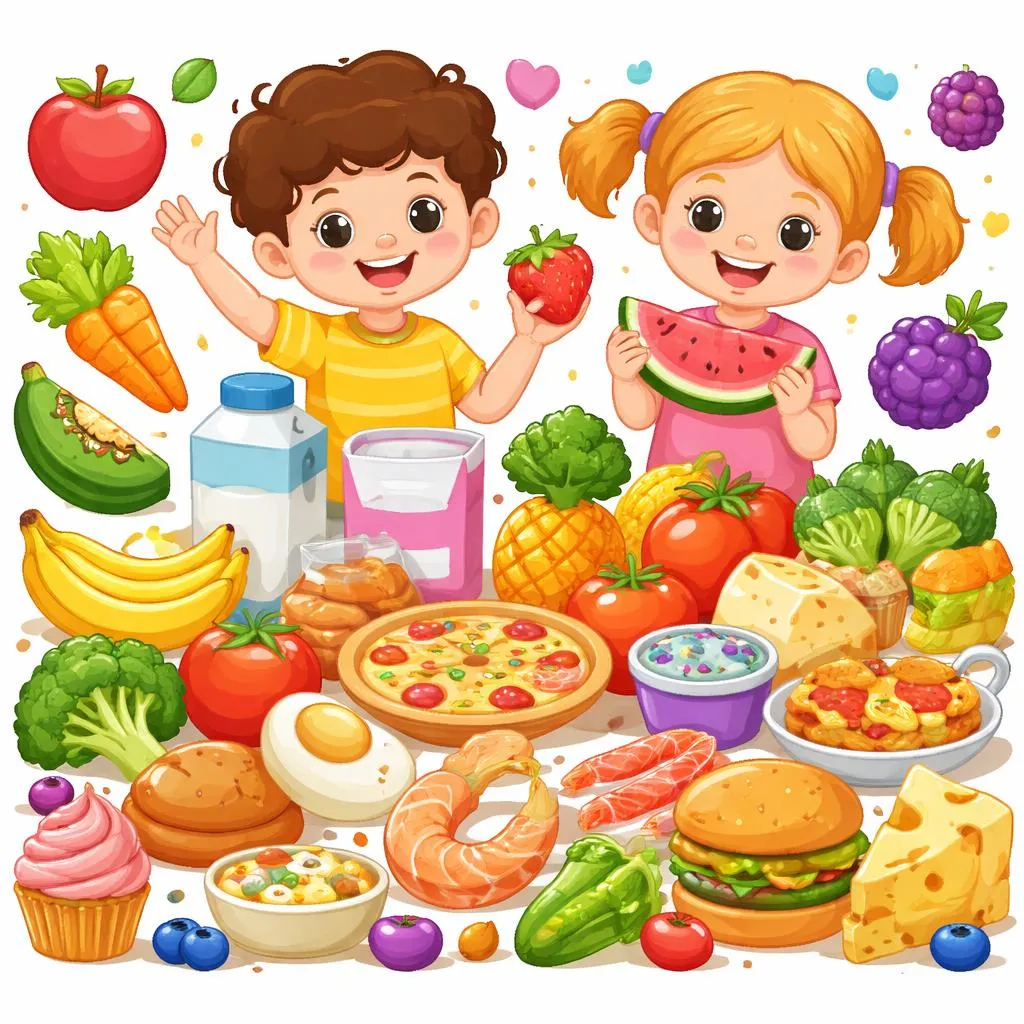

Food is a central part of every child's life. They eat it, talk about it, and have strong opinions about it. This makes food the perfect subject for vocabulary building. Today, we are going to explore different types of food names and discover how teaching about food can build language skills, cultural awareness, and healthy eating habits.
What Are Food Names? Food names are the words we use to identify what we eat. They include everything from apples to zucchini. Learning food names helps children communicate about what they want, like, and need.
Food vocabulary is practical. Children use these words every day at meals and snacks. They ask for specific foods. They talk about what they like and dislike. They learn about new foods they might want to try.
Food names also connect to other learning areas. We can sort foods by color, shape, or taste. We can count foods for math. We can learn where foods come from for science. Food vocabulary builds a foundation for many subjects.
Meaning and Explanation of Food Categories To help children learn food names, we organize foods into categories. This makes the vocabulary manageable and helps children understand relationships between foods.
Fruits grow on plants and trees. They are usually sweet. Apples, bananas, oranges, strawberries, grapes, and watermelons are fruits.
Vegetables are parts of plants we eat. They can be roots, stems, or leaves. Carrots, broccoli, potatoes, spinach, and peas are vegetables.
Grains come from grasses like wheat and rice. Bread, pasta, cereal, and oatmeal are grains.
Protein Foods help our bodies grow strong. Meat, fish, eggs, beans, and nuts are protein foods.
Dairy Foods come from milk. Milk, cheese, yogurt, and ice cream are dairy foods.
These categories help children understand that foods can be grouped by where they come from and what they do for our bodies.
Categories or Lists of Types of Food Names Let us explore different categories of food names in more detail.
Fruits: Apple, banana, orange, strawberry, grape, watermelon, pineapple, mango, pear, peach, cherry, blueberry, raspberry, lemon, lime, coconut, kiwi, plum, apricot, fig.
Vegetables: Carrot, broccoli, potato, tomato, spinach, lettuce, cucumber, pepper, onion, garlic, pea, corn, bean, cauliflower, cabbage, celery, mushroom, pumpkin, squash, zucchini.
Grains: Bread, rice, pasta, cereal, oatmeal, crackers, pretzel, bagel, muffin, pancake, waffle, tortilla, popcorn, barley, quinoa, couscous.
Protein Foods: Chicken, beef, pork, fish, tuna, salmon, egg, bean, lentil, peanut, almond, walnut, tofu, turkey, ham, bacon, sausage, shrimp, crab, lobster.
Dairy Foods: Milk, cheese, yogurt, ice cream, butter, cream, cottage cheese, sour cream, whipped cream, pudding.
Snack Foods: Chips, cookies, crackers, candy, chocolate, popcorn, pretzel, granola bar, fruit snack, pudding cup.
Drinks: Water, milk, juice, soda, lemonade, tea, hot chocolate, smoothie, milkshake.
Desserts: Cake, pie, ice cream, cookie, brownie, pudding, cupcake, donut, candy, chocolate.
Daily Life Examples of Food Names The best way to learn food names is to use them throughout the day. Every meal and snack offers opportunities to name foods.
At breakfast, we name what we eat. "This is cereal. This is milk. This is a banana." Children learn the names of foods they see regularly.
At lunch, we talk about the foods on their plates. "You have a sandwich with bread and turkey. You have carrot sticks and an apple."
At snack time, we name the snack. "Today we have yogurt and grapes." Children learn to identify and request these foods.
At the grocery store, we name foods as we shop. "We need to buy apples, broccoli, and bread. Can you find the oranges?"
During cooking activities, we name ingredients. "We need flour, sugar, eggs, and butter to make cookies." Children see how foods combine to make new foods.
Printable Flashcards for Types of Food Names Flashcards help children learn food names and recognize what different foods look like. Each card should show a clear picture of the food and its name.
Create cards for each food category:
Fruits: apple, banana, orange, strawberry, grapes
Vegetables: carrot, broccoli, tomato, potato, corn
Grains: bread, rice, pasta, cereal, crackers
Protein: chicken, fish, egg, beans, peanut butter
Dairy: milk, cheese, yogurt, ice cream, butter
Drinks: water, milk, juice, lemonade, hot chocolate
On the back of each card, include a simple sentence about the food. "Apples are sweet and crunchy." "Carrots are good for your eyes." This builds knowledge along with vocabulary.
Learning Activities or Games for Food Names Games make learning about foods active and engaging. Here are activities that work well in the classroom.
Food Sort: Provide a collection of food pictures or toy foods. Children sort them into categories. Fruits go together. Vegetables go together. Grains go together. This builds classification skills.
Grocery Store Dramatic Play: Set up a pretend grocery store with play food, shopping carts, and cash registers. Children shop for foods and name them as they play. "I'm buying apples and bread."
What's for Lunch? Game: Show pictures of different foods. Ask children to choose what they would like for lunch. They name the foods they choose. "I want a sandwich, an apple, and milk."
Food Bingo: Create bingo cards with pictures of different foods. Call out food names. Children cover the matching picture. This builds listening and vocabulary.
Taste Testing: Provide small samples of different foods. Children taste and describe them. "This is sweet. This is crunchy. This is sour." This engages multiple senses.
Food Memory Game: Create pairs of food cards. Place them face down. Children take turns flipping two cards to find matches. When they find a match, they name the food.
I Spy with Food: Play I Spy with foods. "I spy something red that grows on a tree." Children guess "apple!" This builds descriptive language.
Food Colors Learning food names naturally connects to learning colors. Many foods are closely associated with colors.
Red foods: apple, strawberry, tomato, cherry, raspberry Orange foods: orange, carrot, peach, apricot, sweet potato Yellow foods: banana, lemon, corn, pineapple, cheese Green foods: broccoli, spinach, cucumber, grapes, lime Purple foods: grapes, plum, eggplant, cabbage, blueberry Brown foods: bread, cereal, chocolate, cookie, potato
We can sort foods by color. We can talk about eating a rainbow of colors for good health.
Food Textures Foods have different textures. Learning texture words helps children describe what they eat.
Crunchy foods: apple, carrot, cracker, cereal, chips Soft foods: bread, banana, cooked potato, yogurt, pudding Chewy foods: meat, dried fruit, bagel, candy, granola bar Smooth foods: pudding, yogurt, ice cream, smoothie, applesauce Crispy foods: fried chicken, bacon, toast, lettuce, chips
Children learn to describe foods using these texture words. This builds descriptive vocabulary.
Food Tastes Foods have different tastes. Learning taste words helps children express preferences.
Sweet foods: fruit, candy, cake, ice cream, chocolate Sour foods: lemon, lime, sour candy, yogurt, pickles Salty foods: pretzels, chips, popcorn, crackers, bacon Bitter foods: dark chocolate, coffee, grapefruit, broccoli Savory foods: meat, cheese, bread, pasta, vegetables
Children learn to identify and name these tastes. This helps them communicate about foods they like and dislike.
Where Food Comes From Learning food names also involves learning where food comes from. This builds science knowledge.
Fruits and vegetables grow on plants. Apples grow on trees. Carrots grow in the ground. Strawberries grow on low plants.
Grains come from grasses. Wheat grows in fields. It is harvested and ground into flour to make bread.
Milk comes from cows. Cheese and yogurt are made from milk. This connects food to farming.
Meat comes from animals. Chicken from chickens. Beef from cows. Fish from water.
Children learn to appreciate where food comes from and the work involved in bringing food to their tables.
Food Around the World Food names vary across cultures. Introducing foods from around the world builds cultural awareness.
Mexican foods: taco, burrito, salsa, guacamole, tortilla Italian foods: pizza, pasta, lasagna, risotto, gelato Chinese foods: rice, noodles, dumpling, spring roll, stir fry Japanese foods: sushi, rice, miso, tempura, ramen Indian foods: curry, naan, rice, lentil, samosa French foods: bread, cheese, crepe, croissant, quiche
Children learn that people around the world eat different foods. They may discover new foods they want to try.
Food Songs Music helps children remember food names. Here are some simple songs to sing.
Apples and Bananas is a classic. It plays with vowel sounds while naming fruits.
I like to eat, eat, eat apples and bananas. I like to eat, eat, eat apples and bananas.
Then change the vowel sounds: I like to ate, ate, ate ay-ples and ba-nay-nays...
Pizza Song (to the tune of "Twinkle, Twinkle"): Pizza, pizza on my plate, How I think you taste so great. Cheese and sauce and crust so round, Best food ever to be found. Pizza, pizza on my plate, How I think you taste so great.
Vegetable Song (original chant): Carrots, carrots, crunch, crunch, crunch. Broccoli, broccoli, munch, munch, munch. Peas are sweet and green and small. I like vegetables, I eat them all!
Healthy Eating Discussions Teaching food names naturally leads to discussions about healthy eating. We can talk about foods that help our bodies grow strong.
Fruits and vegetables give us vitamins. They help us stay healthy.
Grains give us energy to run and play.
Protein helps us build strong muscles.
Dairy helps us build strong bones and teeth.
Some foods are "sometimes foods." They are okay sometimes but not every day. Cookies, candy, and soda are sometimes foods.
These discussions build foundational health knowledge.
Food Art Projects Art activities help children express their learning about foods creatively.
Food Collage: Cut out food pictures from magazines. Children arrange and glue them to create a food collage. They name the foods as they work.
Fruit and Vegetable Prints: Cut fruits and vegetables in half. Dip in paint and make prints. Apple halves make star shapes. Potato halves make circle shapes. Children see the patterns inside foods.
Play Dough Food: Use play dough to create different foods. Children make pretend pizza, cookies, fruits, and vegetables. They name what they make.
Paper Plate Meals: Give children paper plates and food pictures. They create a balanced meal by choosing foods from different categories. They name each food they choose.
Food Books Picture books about food reinforce vocabulary and build interest in trying new foods.
"Green Eggs and Ham" by Dr. Seuss encourages trying new foods. The character refuses to try green eggs and ham, but finally does and discovers he likes them.
"The Very Hungry Caterpillar" by Eric Carle features many foods. The caterpillar eats through fruits, sweets, and finally a leaf.
"Eating the Alphabet" by Lois Ehlert shows fruits and vegetables from A to Z. Beautiful illustrations introduce many food names.
"Bread and Jam for Frances" by Russell Hoban tells the story of a badger who only wants to eat bread and jam. She learns to try new foods.
While reading, we point out and name the foods. This builds vocabulary in a meaningful context.
As we explore different types of food names with young children, we build vocabulary they use every day. They learn to name what they eat and express preferences. They discover that foods come in many colors, textures, and tastes. They learn where food comes from and how it helps their bodies. Through games, songs, and hands-on activities, food vocabulary becomes a natural part of their language. This foundation will serve them throughout their lives as they make food choices and communicate about one of life's most basic needs.