
Who Is This Celebrity?
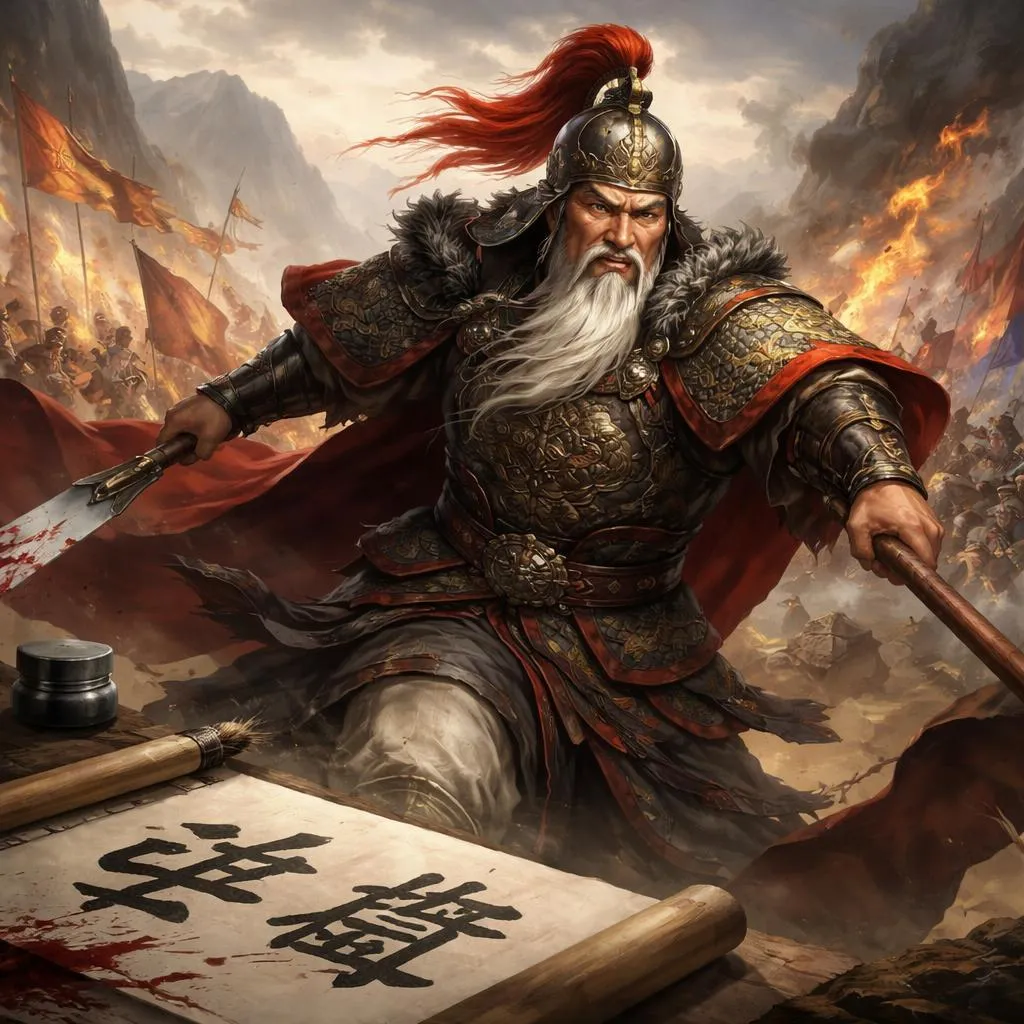
Yan Zhenqing was one of China's greatest calligraphers and a loyal general. He lived about 1,300 years ago during the Tang Dynasty. People call him the "Saint of Calligraphy" alongside Wang Xizhi. He developed a bold, powerful style that looked like steel wrapped in silk. But he was not just an artist. He led armies against rebels. He chose death over betraying his emperor. He died at age 76, strangled by his enemies. His story shows that art and courage can live in one person.
Early Life and Childhood
Yan Zhenqing was born in 709 CE in Chang'an, now called Xi'an, China. His family were famous scholars and calligraphers. His grandfather and uncle had both served as government officials. Young Yan lost his father when he was only a child. His mother raised him alone and taught him to read and write. He loved practicing calligraphy with a brush, even as a small boy. He also enjoyed studying military strategy and history. He dreamed of serving his country like his ancestors. His mother encouraged both his artistic and his martial interests. She told him that a true man must be both scholar and soldier.
Education and Learning Journey
Yan Zhenqing studied with the best teachers in Chang'an. He mastered the Confucian classics, history, and poetry. He also studied calligraphy under famous masters of his time. He copied the works of Wang Xizhi thousands of times. But Yan was not satisfied with copying. He wanted to create his own style. He studied ancient inscriptions on stone and bronze. He practiced writing with his whole arm, not just his wrist. His characters became bold, muscular, and full of energy. He passed the imperial exams and became a government official. He served as a governor and military commander. He continued practicing calligraphy throughout his career.
How Did They Become Successful?
Yan Zhenqing became successful through both talent and character. His calligraphy was so powerful that people could recognize it from across the room. Emperors praised his work and commissioned him to write inscriptions. But his character mattered as much as his art. He was known for his honesty and courage. He refused to flatter corrupt officials. He spoke the truth even when it angered powerful men. He was demoted several times for his honesty. Yet he never changed his principles. When a massive rebellion broke out in 755 CE, Yan raised an army to fight the rebels. He was already in his 60s. He led his troops into battle while his famous calligraphy hung in the capital.
Big Ideas and Achievements
Yan Zhenqing's biggest achievement was creating the "Yan style" of calligraphy. His characters are bold, square, and vigorous. They look stable like a mountain. Historians say his style reflects his personality. He was honest, strong, and unyielding. His most famous work is the "Manuscript for the Memorial to My Nephew." He wrote this after rebels killed his nephew, his brother, and other family members. The rebels had refused to surrender. Yan found their bodies and buried them. He wrote the manuscript in a state of grief and rage. The characters start neatly but become wild and chaotic. Ink splatters appear on the page. Historians call it the second greatest calligraphy in Chinese history.
Challenges and Difficult Times
Yan Zhenqing faced the greatest challenge of his life at age 76. A new rebel leader named Li Xilie rose against the emperor. The emperor sent Yan to negotiate with the rebel. Yan knew the mission was dangerous. His friends begged him not to go. Yan said a loyal subject must obey the emperor's command. He traveled to the rebel camp alone. Li Xilie tried to intimidate him. He placed soldiers with swords around Yan. He threatened to kill him. Yan did not flinch. He called the rebel a traitor. He said he would rather die than betray the emperor. Li Xilie imprisoned him for over a year. He finally ordered Yan's execution by strangulation. Yan died in 785 CE.
Fun Facts About the Celebrity
Yan Zhenqing loved eating persimmons, a sweet orange fruit. He believed they strengthened his energy. He also enjoyed drinking tea made from dried chrysanthemum flowers. He never wore silk, even as a high official. He preferred rough hemp robes. He kept a small collection of ancient ink stones. He would only use the smoothest ones for important works. He also loved playing the game of Go. He played against other officials to relax. He kept a pet rabbit in his study. He believed the rabbit's quiet presence helped him focus. He never drank alcohol before writing calligraphy. He said wine made his hand unsteady. He wrote his most famous works completely sober.
Why Is This Celebrity Important Today?
Yan Zhenqing's calligraphy style is still taught in Chinese schools. Every student learns to write in either the "Yan style" or the "Liu style." His characters appear on signs, monuments, and buildings across China. His "Manuscript for the Memorial to My Nephew" is a national treasure. It is kept in the National Palace Museum in Taipei. Millions of people have viewed it. His story of loyalty is taught as a moral lesson. Schoolchildren learn that a person can be both an artist and a warrior. His life also shows that integrity matters more than comfort. He chose death over dishonor. His name represents the ideal of the scholar-official: cultured, brave, and incorruptible.
What Can Kids Learn from This Story?
You can learn that art can express deep emotions. Yan wrote his best work while grieving his nephew. You can also learn to develop your own style. He copied masters but found his own voice. You can learn that principles matter more than comfort. He died rather than betray his emperor. You can learn that old age does not mean weakness. He fought rebels and faced execution at 76. You can also learn that calligraphy is not just writing. It is a form of painting, dance, and meditation all in one.
Quick Quiz or Practice Time
Let's see what you remember about Yan Zhenqing.
Question 1: What is the name of Yan Zhenqing's most famous calligraphy work?
Answer: Manuscript for the Memorial to My Nephew.
Question 2: How old was Yan Zhenqing when he died?
Answer: 76 years old.
Question 3: What fruit did Yan Zhenqing love eating?
Answer: Persimmons.
Question 4: What animal did Yan Zhenqing keep in his study?
Answer: A pet rabbit.
Question 5: What did Yan Zhenqing never drink before writing calligraphy?
Answer: Alcohol (wine).
Activity: Try writing your name with a thick marker. First, write it very small and delicate like Wang Xizhi. Then write it again very large and bold like Yan Zhenqing. Notice how the same letters can look completely different. Which style feels more like you? Draw a picture of Yan Zhenqing facing the rebel soldiers without fear.
Yan Zhenqing lived a life of art and war. He spent decades perfecting his brushwork. He created a style so powerful that people still copy it 1,300 years later. But he also picked up a sword. He led armies against traitors. He buried family members killed by rebels. He walked alone into an enemy camp at age 76. He refused to bow, refused to betray, refused to beg. He died with his integrity intact. His last words were curses against the rebel who killed him. His story teaches us that a person can contain multitudes. Gentle enough to paint perfect characters. Fierce enough to die for loyalty. Soft enough to mourn a nephew. Hard enough to face strangulation. Yan Zhenqing was all of these things. You can be too. You can love art and also love justice. You can practice calligraphy and also practice courage. You can create beauty and also face ugliness. Yan did. So can you. Now go write something beautiful. Then go do something brave. That is the way of Yan Zhenqing. That is your way too.