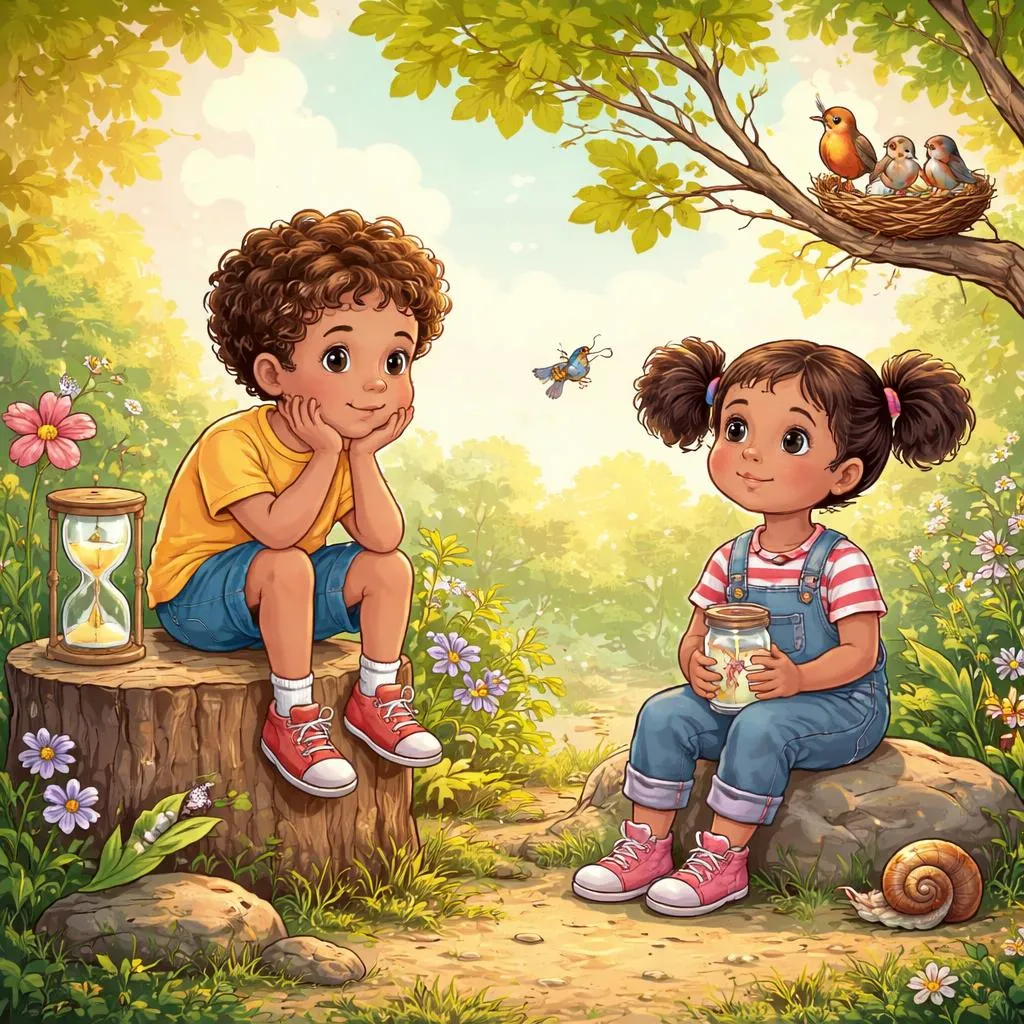

Waiting is one of the hardest skills for young children to learn. The minutes until snack time stretch like hours. The days before a birthday feel endless. The wait for a turn on the swing seems impossible. A children's story about waiting addresses this universal challenge with gentleness and wisdom. It features characters who must wait for something important. It shows what happens during the waiting time. It reveals that good things often come to those who wait. This article explores how teachers can use these stories to help children develop the vital skill of patience.
What Is a Children's Story About Waiting? A children's story about waiting is a narrative where patience is a central theme. The main character wants something. A special event. A desired object. A turn at something fun. A person who is coming. The waiting period forms the heart of the story. The character may struggle with impatience. They may try to make time pass faster. They may learn things during the waiting. The story shows their journey through the waiting time. By the end, what they waited for arrives. The waiting proves worthwhile. These stories validate the difficulty of waiting while showing that it is possible and often valuable.
Meaning and Explanation Behind Waiting Stories Waiting stories address a fundamental challenge of childhood. Young children live in the present moment. Delayed gratification does not come naturally. The ability to wait develops over time. Stories support this development in several ways.
First, they validate the feeling. The character feels exactly what the child feels. Impatient. Frustrated. Like waiting is impossible. Seeing this in a story tells children their feelings are normal.
Second, they show strategies for waiting. Characters find ways to make time pass. They sing songs. They play games. They help someone. They notice interesting things around them. Children absorb these strategies.
Third, they demonstrate that waiting ends. The thing finally comes. This builds hope and trust. Children learn that waiting, while hard, is not forever.
Fourth, they reveal that waiting can have value. Sometimes something learned during the wait matters. Sometimes the waiting makes the arrival sweeter. These deeper lessons unfold naturally through the story.
Categories or Lists of Waiting Stories Children's stories about waiting appear in many forms.
Waiting for an Event: Characters anticipating something specific.
A birthday party tomorrow.
A visit from Grandma next week.
The first day of school.
A holiday celebration coming soon.
Waiting for Something to Grow: Stories about seeds and gardens.
Planting a seed and waiting for it to sprout.
Watching a garden grow day by day.
A special flower that takes forever to bloom.
A pumpkin growing for Halloween.
Waiting for a Turn: Sharing and turn-taking narratives.
Waiting for a turn on the swing.
The next turn with a favorite toy.
Standing in line for something special.
Waiting to be called on in class.
Waiting for Someone: Characters anticipating a person.
Waiting for a parent to come home.
A friend who is running late.
Someone returning from a trip.
A new baby arriving.
Waiting During a Process: Things that take time naturally.
Baking cookies and waiting for them to cool.
Waiting for paint to dry.
A cake in the oven.
Glue that needs time to hold.
Waiting for a Surprise: Anticipation of something unknown.
A wrapped present under the tree.
A mystery activity planned for later.
Something special in a closed box.
A surprise at the end of the day.
Daily Life Examples from Waiting Stories A children's story about waiting connects directly to classroom experiences. Every day involves waiting. Waiting for lunch. Waiting for a turn. Waiting for a friend to finish. Waiting for a special activity. The stories give language to these moments.
Teachers can draw connections. "Remember how the character in our story felt waiting for the seed to grow? That is like waiting for our bean seeds to sprout." "The story showed singing while waiting. Maybe we could sing while we wait for everyone to finish cleaning up."
The stories also help with difficult waiting times. Before a holiday break, read waiting stories. Before a special event, return to them. The stories provide comfort and strategies during real waiting challenges.
Vocabulary Learning from Waiting Stories Waiting stories introduce vocabulary related to time, patience, and emotions.
Time Words: Minute, hour, day, week, month, season, soon, later, eventually, finally, at last.
Patience Words: Patient, impatient, wait, waiting, anticipation, expect,盼望, endure.
Emotion Words: Excited, anxious, frustrated, calm, peaceful, hopeful, eager, restless.
Process Words: Grow, develop, change, become, arrive, appear, happen, occur, complete.
Activity Words: Distract, occupy, pass time, fill time, keep busy, focus, attend.
Teachers can introduce these words before reading. Point them out in the story. Use them during daily waiting moments. "We need to be patient while the glue dries." "I know you feel eager for your turn." The vocabulary becomes meaningful through real use.
Phonics Points in Waiting Stories Time and patience words offer phonics practice.
Long I Sound: Time, while, white, light, night. Practice this sound. Notice it appears in many waiting contexts.
Silent Letters: Wait has a silent AI making the long A sound. Hour has a silent H. Knew has a silent K. These patterns appear.
Syllable Practice: Patience has two syllables. Impatient has three. Anticipation has five. Practice clapping.
Word Families: Wait and late rhyme. Time and chime rhyme. Grow and know rhyme. These patterns build phonemic awareness.
Teachers can notice these patterns during reading. The waiting theme provides meaningful context.
Grammar Patterns in Waiting Stories Waiting stories provide natural grammar instruction contexts.
Future Tense: Waiting is about the future. The character will get what they want. The event will happen soon. This models future tense naturally.
Present Continuous: During waiting, things are happening. The seed is growing. The paint is drying. The cookies are cooling. This tense describes ongoing processes.
Questions About Time: Waiting stories include time questions. When will it happen? How much longer? Is it time yet? These question forms appear naturally.
Conjunctions for Time: Time clauses use conjunctions. While we wait, we can play. Until it comes, we need patience. After it arrives, we will celebrate.
Teachers can point out these patterns gently. The grammar learning happens within the meaningful context of waiting.
Learning Activities for Waiting Stories Activities help children practice patience and understand waiting.
Activity 1: Waiting Timer Game Use a visual timer. Challenge children to wait for increasing periods. Start with thirty seconds of silence. Work up to longer. Celebrate successful waiting.
Activity 2: Seed Growing Project Plant seeds in clear cups. Watch them daily. Draw what changes. This natural waiting experience teaches patience through observation.
Activity 3: Waiting Strategies Chart After reading waiting stories, list strategies characters used. Singing. Playing. Helping. Noticing things. Create a classroom chart of waiting strategies.
Activity 4: Waiting Role Play Practice waiting situations through role play. Waiting in line. Waiting for a turn. Waiting for an adult to finish talking. Discuss how it feels and what helps.
Activity 5: Time Feeling Experiment Ask children to sit quietly for one minute. Discuss whether it felt long or short. Then do something fun for one minute. Compare how time felt different.
Activity 6: Waiting Jar Create a jar of activity ideas for waiting times. Little games. Songs. Quiet activities. When waiting happens, pull an idea from the jar.
Printable Materials for Waiting Stories Printable resources support waiting story learning.
Waiting Strategies Cards: Small cards showing different waiting strategies with pictures. Children can choose one when waiting is hard.
My Waiting Story Template: Pages for children to write about a time they had to wait. What were they waiting for? How did they feel? What helped?
Seed Growth Chart: A chart for recording observations as seeds grow. Date, height, what changed. This makes waiting scientific.
Waiting Timer Strips: Paper strips children can color in while waiting. Each colored section brings them closer to the end.
Patience Award Certificates: Printable certificates recognizing patient behavior. "I waited for my turn." "I was patient while we waited."
Educational Games for Waiting Practice Games make waiting practice playful.
Game: Freeze Dance Music plays, children dance. When music stops, they freeze and wait. The waiting period extends gradually. This makes waiting a fun challenge.
Game: Red Light, Green Light One child calls "green light" for moving, "red light" for stopping and waiting. This practices impulse control and waiting.
Game: Silent Ball Children pass a ball silently. If anyone talks, they sit down. The game requires waiting for the ball and waiting to speak.
Game: Waiting Bingo Create bingo cards with waiting situations. Waiting in line. Waiting for snack. Waiting for a turn. Children mark when they experience each wait.
Game: Patience Parachute Use a parachute. Children must wait for their turn to run under. The waiting and taking turns builds patience.
Connecting Waiting Stories to Other Subjects Waiting stories connect across the curriculum.
Science Connection: Explore natural processes that require waiting. Seeds growing. Caterpillars becoming butterflies. Weather changing. These real-world waits mirror story waits.
Math Connection: Measure time. How many seconds in a minute? How many minutes until lunch? Create timelines for waiting events. Practice telling time.
Social Studies Connection: Learn about cultures with different concepts of time. Discuss how people waited in the past without modern conveniences.
Art Connection: Create art that requires waiting. Clay that must dry. Paintings with layers that need time between. This makes waiting part of creation.
Music Connection: Learn songs about waiting. Practice rests in music. Silence between notes is a kind of waiting.
The Value of Learning to Wait A children's story about waiting teaches one of life's most important skills. The ability to wait serves people throughout life. It helps in school, where waiting for help or turns is constant. It helps in relationships, where patience with others matters. It helps with goals, where long-term effort brings rewards.
Children who learn to wait also learn something deeper. They learn that they can survive uncomfortable feelings. The frustration of waiting comes and goes. It does not last forever. This builds emotional resilience that applies to all of life's challenges.
The stories also teach that waiting time is not wasted time. Things happen during waiting. Seeds grow. Paint dries. Cookies cool. People learn. Friendships deepen. The waiting itself has value.
In a world of instant gratification, these lessons matter more than ever. Screens provide immediate responses. Food appears quickly. Entertainment is constant. Children have fewer natural opportunities to practice waiting. Stories fill this gap. They create imaginary waiting experiences. They model patient characters. They show that what comes after waiting is often worth it.
The child who learns to wait becomes an adult who can work toward long goals. Who can sit with difficult feelings. Who can appreciate that some things take time. These are gifts that keep giving throughout life. And they can begin with a simple story about a character who waited.