
A Friendly Hello and First Impressions
?Hola! (OH-lah). This is the warm, musical "Hello" in Spanish. ?Gracias! (GRAH-see-ahs). This is a sincere "Thank you". People say it with a smile. Learning reading about Honduras starts with these friendly, welcoming words.
Honduras is in Central America. Its shape looks like a sturdy, tilted rectangle. The rectangle points toward the Caribbean Sea. The country is in North America. Guatemala, El Salvador, and Nicaragua are its neighbors. The Caribbean Sea is to the north. The Pacific Ocean is to the south. The land is a mix of mountains, forests, and beautiful coasts. It is a country of natural treasures.
People call it the "Banana Republic". This nickname is very old. It came from the banana companies. They had great power here long ago. Another name comes from Christopher Columbus. He said "Gracias a Dios" here. This means "Thank God". He survived a storm. Are you ready to explore a land of ancient cities and blue waters?
Deep Dive into Culture and Stories
Echoes of History
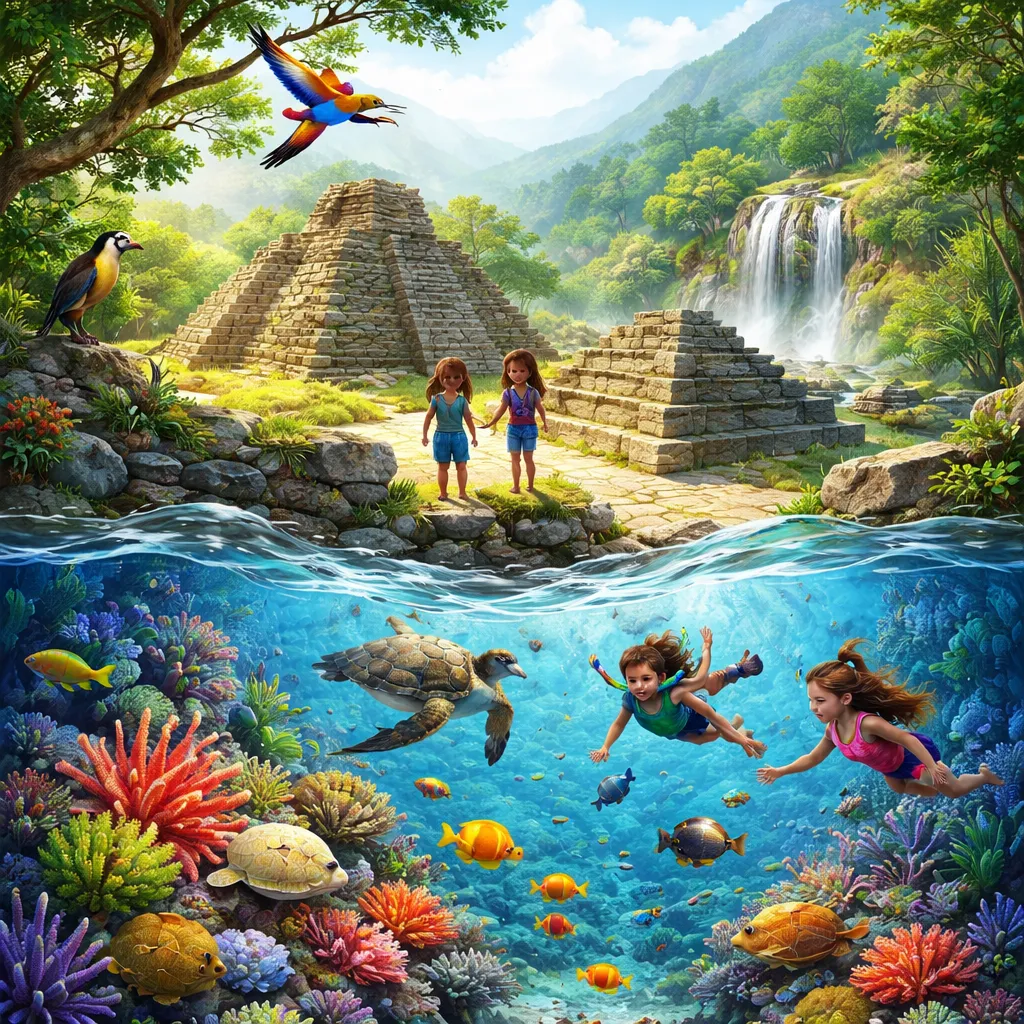
A great ancient civilization lived here. They were the Maya. They built the city of Cop芍n. It was a center of art and science. The Maya had kings and carved stone monuments. Their story is a key part of learning reading about Honduras. It is a story of ancient wisdom.
A modern hero is Francisco Moraz芍n. He was a president in the 1800s. He fought for Central American unity. He wanted the region to be one country. He is a national symbol of unity. His story teaches about big dreams for peace.
A World of Coffee and Fruit
Honduras gives the world delicious coffee. The coffee grows in the highlands. The beans are rich and flavorful. Honduras also exports bananas and pineapples. These fruits grow in the tropical climate. This gift of flavor is a key part of learning reading about Honduras. It connects the world to its sunny farms.
A Land of Mountains and Coasts
Honduras has a varied geography. The interior is mountainous. The north has a long Caribbean coast. The coast has the Bay Islands. The south has a narrow Pacific coast. The landscape changes from cloud forests to white sand beaches.
The climate is tropical. It is warm all year. The coast is hot and humid. The mountains are cooler. The environment shapes life. People grow coffee, bananas, and palm oil. They also grow corn and beans. Houses in the country are often made of wood. They have tin roofs. The main exports are coffee, clothing, and bananas.
A special animal is the scarlet macaw. It is the national bird. It is red, blue, and yellow. It is very loud and social. The national animal is the white-tailed deer. It is graceful and shy. The national flower is the orchid. It is delicate and beautiful. The pine tree is the national tree. It grows in the highlands.
Landmarks of Stone and Sea
Visit the Cop芍n Ruins. They are an ancient Maya city. The site has tall stone pyramids. It has a famous staircase. The staircase has over 2,000 glyphs. A fun story says the kings played a ball game. The game was for the gods. The ruins are a UNESCO World Heritage site. They are a window to the past.
See the Bay Islands. Roat芍n is the most famous. The islands have clear blue water. The coral reef is part of the Mesoamerican Barrier Reef. You can snorkel and see colorful fish. A local legend says pirates hid treasure here. The islands are a paradise for swimming and diving.
Another wonder is the R赤o Pl芍tano Biosphere Reserve. It is a huge rainforest. It has rivers, mountains, and wildlife. You can see monkeys, tapirs, and many birds. The reserve is a UNESCO site. It is a wild, green treasure.
Festivals of Faith and Patriotism
The biggest festival is the Feria de San Isidro. It is in the capital, Tegucigalpa. It happens in September. It honors the patron saint, San Isidro. There is a big parade with floats. People wear cowboy hats and boots. There are rodeos and horse shows.
The festival lasts for a week. Families go to the fairgrounds. They eat traditional food and listen to music. The festival is about faith, culture, and fun. It is a colorful celebration.
Another important day is Independence Day. It is on September 15th. It marks freedom from Spain in 1821. There are parades with school bands. Children wear traditional dresses. The national flag is everywhere. The colors are blue and white. Five stars are in the center. The day is full of national pride.
Food and Flavors
The national dish is Plato T赤pico. It means "typical plate". It has grilled meat, rice, beans, and fried plantains. It also has a slice of avocado and a tortilla. Families eat it for Sunday lunch. It is hearty, savory, and delicious. It tastes like a complete Honduran meal.
You must try Baleadas. They are a popular street food. A baleada is a thick flour tortilla. It is folded in half. It is filled with beans, cheese, and cream. People eat them for breakfast or a snack. A good baleada is soft, cheesy, and satisfying. It is the ultimate quick meal.
A Culture of Soccer and Textiles
Soccer is the national sport. The whole country loves it. People play in streets and fields. The national team is called "Los Catrachos". The sport brings people together. This love for soccer is a fun part of learning reading about Honduras.
The country is famous for its handicrafts. The Lenca people make beautiful pottery. They also make colorful textiles. These crafts are sold in markets. They show the skill and creativity of the people.
Tips for Young Explorers
Cultural Manners Matter
Hondurans are polite and formal. Greetings are important. A handshake is common. Say "Buenos d赤as" (Good morning). Use titles like "Se?or" (Mr.) or "Se?ora" (Mrs.). This is respectful. Wait for adults to invite you to use first names.
Punctuality is flexible. Being 15-30 minutes late is common. This is called "la hora catracha". But try to be on time for appointments. For parties, it is fine to be late.
When visiting a home, bring a small gift. Flowers or pastries are nice. Do not start eating until the host invites you. Compliment the food. Say "gracias" after the meal.
A Note on Staying Safe
Honduras has areas with high crime. Be very careful. Only travel in tourist areas. Do not walk alone at night. Do not show expensive items. Use official taxis. Ask your hotel for safe advice. This keeps you secure.
The sun is very strong. Use a high SPF sunscreen. Wear a hat. The tropical sun can burn you quickly. Drink lots of water. Stay hydrated.
Be careful in the ocean. Some beaches have strong currents. Only swim where it is safe. Obey warning flags. Never swim alone.
A Tasty Stop
Look for a "taco" stand. A Honduran taco is different. It is a fried tortilla filled with meat. It is topped with cabbage and tomato sauce. Eat it with your hands. The taco is crunchy, savory, and delicious. It is a popular street snack.
Healthy and Happy Travels
Drink only bottled water. This is the most important rule. Do not drink tap water. Avoid ice in drinks. Brush your teeth with bottled water. This keeps your stomach happy.
Use insect repellent. Mosquitoes can be annoying, especially at dusk. It helps prevent itchy bites. Wear light, long sleeves in the evening.
Wear comfortable walking shoes. The archaeological sites have uneven ground. The streets in old towns are cobblestone. Good shoes make exploring fun and safe.
Your Invitation to Explore
Start your journey with a story. Read about the ancient Maya of Cop芍n. Learn about their calendar and kings. Or, listen to Honduran punta music. Feel the fast, joyful rhythm. This is a wonderful way of learning reading about Honduras.
Visit a local market. Look for Honduran coffee or a Lenca pottery cup. Taste the rich coffee. Feel the smooth pottery. Imagine the hands that made it. You can also try drawing a scarlet macaw. Use bright red, blue, and yellow. Let your picture be as colorful as the bird.
The world is a big, open book. Each country is a different chapter. Honduras's chapter is about ancient ruins, coral reefs, and warm hospitality. Open it with curiosity. Read about its history, flavors, and natural wonders. Your curiosity is your guide.
Honduran families share a Plato T赤pico on Sunday. Friends play soccer in the park. Children learn about the Maya in school. We all know these scenes. We love sharing meals. We enjoy playing sports. We are curious about the past. Learning about Honduras shows us this. Our global family shares the same joys. Keep exploring, one page, one country, at a time. Your adventure has just begun.