
What is people?
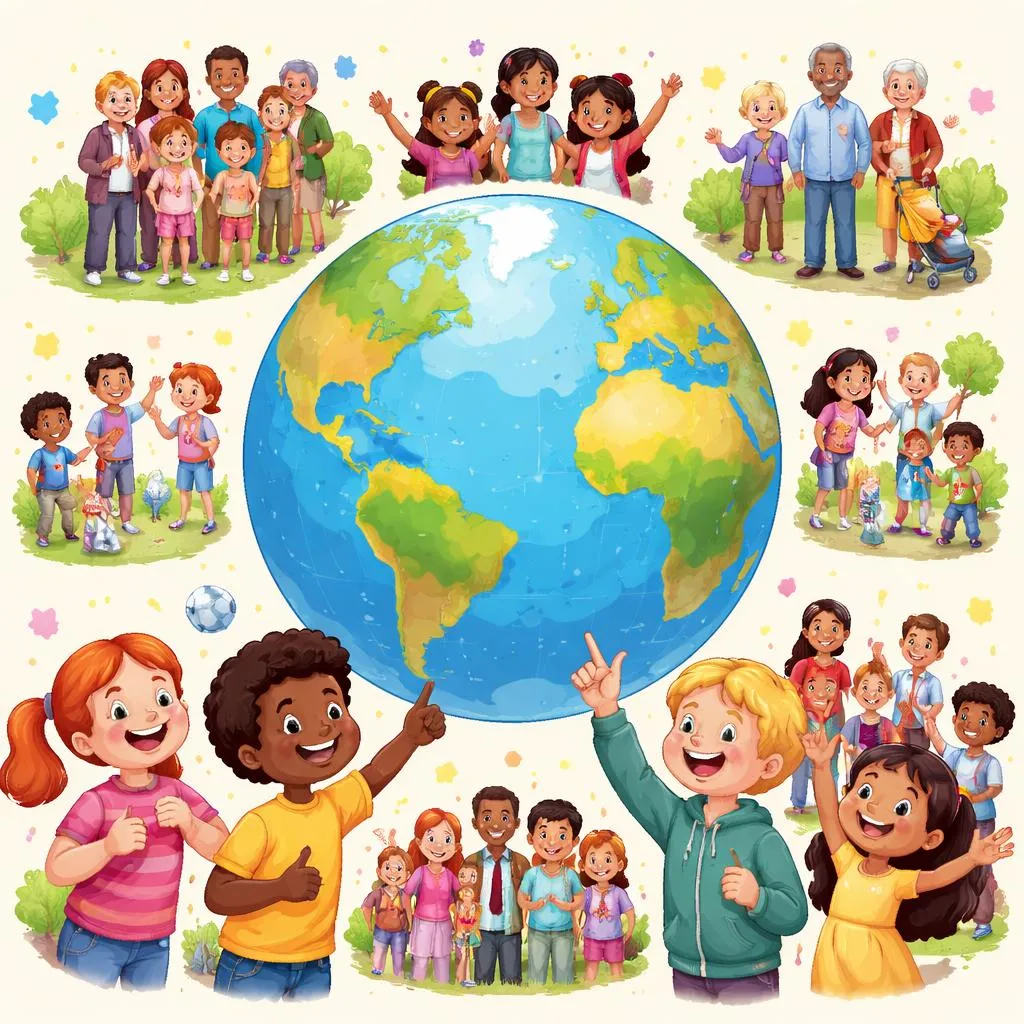
Hello, wonderful learners. Today, we are going to talk about a very important word. This word is all about us. The word is "people." What does this word mean. The word "people" means more than one person. A person is a man, a woman, a boy, or a girl. So, "people" is the word we use for a group of persons.
Think about your classroom. You are a person. Your friend is a person. Your teacher is a person. All of you together are "people." It is a word that brings everyone together. We use it to talk about groups, communities, and everyone in the world. It is a simple word, but it is full of meaning. Let's learn all the ways we can use this important word.
Meaning and explanation
So, what does "people" really tell us. It is a plural noun. This means it always talks about more than one. We say "one person" but "two people," "many people," "a lot of people." The word "person" is for one. The word "people" is for more than one.
The word "people" can be specific or general. It can mean a specific group. "The people in my family are my mom, dad, and sister." It can also mean humans in general. "People need food and water to live." It is a word that connects us. It reminds us that we are not alone. We live, work, and play with other people. Learning to use this word helps you talk about your world and the groups you belong to.
Categories or lists
We can think about "people" in many different groups. Let's look at some common categories of people in our lives.
People in Your Family: This is the closest group. Mother, father, brother, sister, grandmother, grandfather, aunt, uncle, cousin. These are the people you live with or see often. They are your family people. You can say, "I love the people in my family."
People in Your Community: These are people you see around your neighborhood and town. Helpers: Police officer, firefighter, doctor, nurse, teacher, mail carrier, bus driver.
Neighbors: The people who live in the houses or apartments near you.
Friends: The children and adults you like to spend time with.
People with Different Jobs: The word "people" can describe groups by what they do. Farmers are people who grow food. Artists are people who create beautiful things. Scientists are people who discover new facts. Athletes are people who play sports. We often say, "Doctors are people who help us feel better."
People from Different Places: We can talk about groups from countries or cities. "Chinese people speak Mandarin." "The people of Canada are called Canadians." "Many people live in big cities like New York." This helps us learn about the world.
Daily life examples
You can see and talk about people everywhere you go. Let's imagine three simple places.
At the Park on a Sunny Day: Look around. What do you see. You see people. You see children playing on the swings. You see people walking their dogs. You see people sitting on benches and talking. You can tell your mom, "Look at all the people at the park today. They are having fun." The word "people" helps you describe the busy, happy scene.
At the Supermarket with Your Family: The store is full of people. There are people pushing shopping carts. There are people working at the cash registers. There are people choosing fruits and vegetables. You are there with your family people. You might say, "There are so many people shopping. We have to wait in line with the other people." It is a perfect word for a crowded place.
In Your School During Assembly: All the students and teachers gather in one room. You can say, "All the people in our school are here." The principal talks to the people. You sing a song with the people. The word helps you feel part of a big group, all together for the same reason. It is a word of community.
Printable flashcards
Printable flashcards are a great way to learn about different people. Let's make a "People in My Life" card set.
Create cards with pictures or drawings of different people. One card has a picture of a family. The word on the back is "Family People." Another card shows a firefighter and a doctor. The word is "Helper People." Another card shows children from different countries in traditional clothing. The word is "People Around the World." Kids can sort these cards, talk about them, and use the phrase "These are people who..."
Another fun printable is a "Match the People to the Place" game. Create cards with places: School, Hospital, Fire Station, Farm, Airport. Then create cards with people: Teacher, Nurse, Firefighter, Farmer, Pilot. Kids match the people to where they work. This teaches about community roles while using the word "people." "People at the hospital help us get better."
Learning activities or games
Let's play some games all about people. First, play "People Bingo." Create bingo cards with simple pictures or words in the squares. A picture of someone with glasses, someone with red hair, someone who is a teacher, someone who is a student, someone helping. Kids walk around the room and find classmates or look at provided pictures to match the squares. When they find a match, they ask, "Are you a person who... is a student?" The first to get a line shouts "People Bingo!"
Try the "Community Helpers Role-Play" game. Set up different stations in the room. A "Doctor's Office" with a toy stethoscope. A "Post Office" with envelopes. A "Grocery Store" with empty boxes. Kids take turns being the helper people and the people who need help. They practice simple dialogues. "Hello, Doctor People. I feel sick." This imaginative play teaches about roles and uses the word "people" naturally.
Create a "Classroom People Book" project. Each child gets one page. They draw a picture of themselves and write (or dictate) one sentence about themselves. "My name is Maya. I am a person who loves to draw." The teacher collects all the pages and binds them into a book called "The People in Our Class." This activity celebrates individuality while reinforcing that each child is a person, and together they are the class people. It builds a wonderful sense of belonging and is a great reading resource.