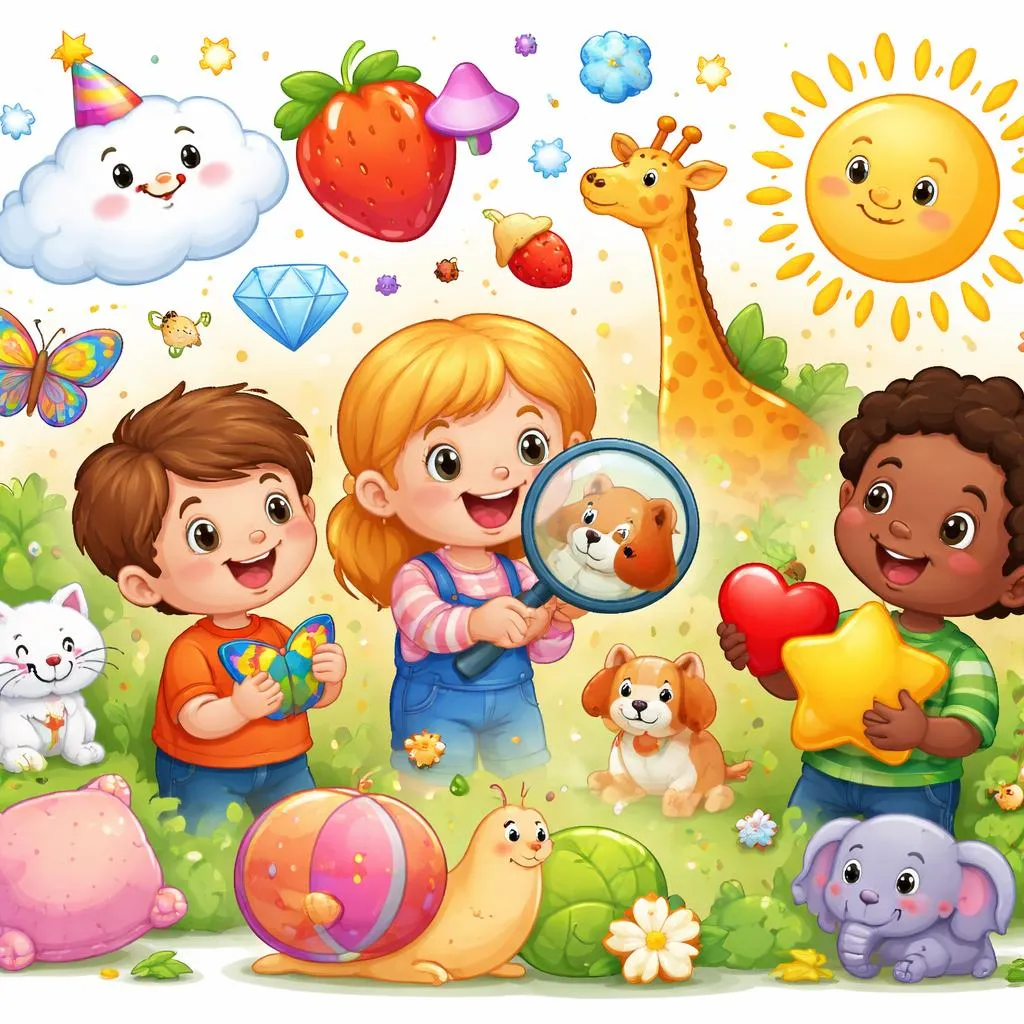

Hello there, super learners and word explorers! Are you ready to fill your brain with amazing words that can paint pictures with sound? Today, we are going to talk about a very special tool. This tool is called an adjective words list. It might sound a little big, but it is just a fun collection of describing words. Think of it as your own word treasure chest. Every time you open it, you find a new shiny word to use. Let us start our adventure into the world of descriptive words.
What is an adjective words list?
An adjective words list is exactly what it sounds like. It is a list full of adjectives. But what are adjectives? Remember, adjectives are describing words. They tell us more about nouns. A noun is a person, place, animal, or thing. So, an adjective words list is a group of these helpful describing words all written down together. Why do we need a list? A list helps us organize. It helps us learn. Imagine you have a box of crayons. An adjective list is like having all the color names written on the box. You know exactly what you have. You can pick the perfect word, just like picking the perfect crayon. Teachers and parents love these lists. Children love them too. They make learning new words easy and systematic.
You can find adjective words lists in books. You can find them online. Some lists are short. Some lists are long. Some lists are for beginners. Some lists are for experts. The best lists are made for kids. They use simple words. They use fun categories. An adjective words list is not a boring school paper. It is a map to a richer language. With this map, you can describe anything you imagine. You can tell better stories. You can share clearer ideas. Your sentences will become more colorful and exciting. Let us look closer at what this means.
Meaning and explanation
The meaning of an adjective words list is deep. It is more than just words on paper. It is a learning helper. It is a practice guide. The list explains itself by showing you examples. Each word on the list has a job. Its job is to describe. Let us think about the word "happy." On an adjective list, you will see the word "happy." Next to it, you might see a simple meaning. The list tells you that "happy" means feeling good. It might show a picture of a smiling face. This helps you understand. The list gives you power. The power to choose the right word. Why say "good" when you can say "excellent"? Why say "big" when you can say "enormous"? An adjective words list expands your choices.
Having a list helps with memory. When you see words grouped together, you remember them better. Your brain makes connections. You see that "soft," "fluffy," and "smooth" are all about touch. You learn them as a family. This is the explanation. The list organizes words by theme. This makes sense to young learners. It is not random. It is planned for learning. The list also shows you how words are used. It might have example sentences. For instance, for the word "bright," the list could say: "The sun is bright." This shows the word in action. An adjective words list turns learning into a game of discovery.
Categories or lists
An adjective words list is often split into categories. This makes it easier to use. Think of a toy box with different sections. One section for cars, one for dolls. An adjective list works the same way. Common categories include colors, sizes, shapes, feelings, textures, and tastes. Let us explore some of these categories. The color category has words like red, blue, green, yellow, and purple. You use these to describe how things look. The size category has words like big, small, tall, short, tiny, and huge. These words tell us about space.
The shape category has words like round, square, flat, and curly. Feelings are very important. This category has words like happy, sad, angry, excited, and scared. We use these to talk about emotions. Textures are about how things feel. Words here include soft, hard, rough, smooth, sticky, and fluffy. Tastes are about food. Words like sweet, sour, salty, bitter, and delicious belong here. Some lists also have categories for numbers, like first, second, many, or few. Some have categories for weather, like sunny, rainy, or windy.
Having categories helps you find the right word fast. If you are describing your ice cream, you go to the taste category. You might pick "sweet" and "cold." If you are describing a puppy, you go to the texture and feeling categories. You might pick "soft" and "playful." A good adjective words list for kids will have these clear groups. It will use simple words first. Then it can add more challenging words. For older children, lists might include words like "magnificent" or "furious." The list grows with the child. It is a lifelong tool for building a rich vocabulary.
Daily life examples
Now, let us see how to use an adjective words list in daily life. The best learning happens when we use words in real situations. Here are some fun scenes where you can practice. First, think about breakfast time. You are eating your morning meal. Look at your food. Is your cereal crunchy or soft? Is your milk cold? Is your toast warm and buttery? Use your adjective list. Find words to describe your food. Say them out loud. "I am eating sweet strawberries." This makes breakfast a learning moment. You can even make a game. Challenge your family to use one new adjective from the list each morning.
Second, consider the trip to school or the park. On your way, look around. What is the weather like? Is it a bright sunny day? Is it a cloudy afternoon? Describe the trees. Are they tall and green? Describe the cars. Are they fast and noisy? Use your adjective words list as a guide. You can keep a small list in your pocket. Point to things and find the matching adjective. This turns a simple walk into a word adventure. It makes you more observant. You start to notice more details about the world.
Third, playtime is perfect for adjectives. When you are playing with toys or friends, describe what you are doing. Is your game exciting? Is your friend funny? Is your building block tower stable or wobbly? Use the feeling and texture categories from your list. If you are drawing, describe your picture. "I drew a gigantic rainbow with vibrant colors." The adjective words list gives you the words you need. It helps you move from simple descriptions to more vivid ones. Daily practice like this makes the words part of your natural speech. You will not even need the list after a while.
Printable flashcards
Printable flashcards are a wonderful partner to an adjective words list. What are flashcards? They are small cards. On one side, there is a word or a picture. On the other side, there is the meaning or an example. You can print them at home or at school. For adjectives, flashcards make learning active and fun. How do you use them? Let us say you have a flashcard for the word "soft." One side has the word "soft." The other side has a picture of a kitten. You show the word side to a friend. Your friend says the word. Then you show the picture. This helps connect the word to a real thing.
You can make games with flashcards. Spread them on the floor. Find all the cards about feelings. Group all the cards about colors. You can play memory. Turn the cards over. Try to match a word with its picture. Printable flashcards are great because you can carry them anywhere. You can use them in the car. You can use them during break time. Teachers love to use them in class. They hold up a card. The children shout out the adjective. It is a quick and energetic way to learn. Parents can use them for five-minute practice sessions.
Many adjective words lists come with printable flashcards. You can find them online. You just download and print. Some are colorful. Some are simple. The best ones for kids have clear, big letters and friendly images. Using flashcards with a list reinforces learning. You see the word on the list. Then you see it on a card. Then you use it in a sentence. This three-step method makes words stick in your memory. Printable flashcards turn a static list into an interactive game. They are a key tool for mastering descriptive vocabulary.
Learning activities or games
Learning is best when it feels like play. Here are some fantastic activities and games that use an adjective words list. First, try the "Adjective Detective" game. You need your list and a timer. Choose a category from your list, like "things you can touch." Set the timer for one minute. Now, run around your room. Touch as many things as you can. For each thing, say an adjective from your list. "Soft pillow, hard floor, smooth table, rough carpet." See how many you can find before the timer rings. This game gets you moving and thinking.
Another great game is "Story Chain." Sit in a circle with friends or family. Start a story with one sentence. Use an adjective from your list. For example, "Once upon a time, there was a brave knight." The next person adds a sentence. They must use a new adjective. "He had a shiny sword." Keep going around the circle. Try to use all the adjectives in one category. This game makes a silly story. It also practices creative thinking. You have to listen and add on. It is fun for groups.
You can also play "Adjective Charades" with your list. Write different adjectives on small pieces of paper. Fold them and put them in a bowl. Players take turns picking a paper. They must act out the word without speaking. Others guess the adjective. Words like "sleepy," "angry," "fast," or "cold" are perfect for this. It is hilarious and helps you understand the meaning through action. For a quieter activity, try "Adjective Art." Pick five adjectives from your list. Draw a picture that includes all five. For example, draw a "sunny, large, round, yellow, happy" sun. This connects words to art.
Do not forget the "Sorting Game." Use toys or items from your house. Make piles based on adjectives. Find all the soft things. Find all the red things. Find all the noisy things. Use your list to check your piles. This activity teaches categories and comparisons. All these games make the adjective words list come alive. You are not just reading words. You are using them. You are playing with them. This is how you become a master of description. Your words will grow, and your confidence will soar. Keep your list handy and play every day.