
Time is a concept that surrounds children every day. They wake up, come to school, go home, and look forward to the weekend. Learning the name of week days helps children organize their world. It gives them language to talk about schedules, plans, and routines. When children know the days, they can ask important questions. When is gym class? What day is the field trip? How many days until the weekend? Teaching the days of the week builds a foundation for understanding time. Let us explore how to guide young learners through this essential vocabulary with engaging and effective methods.
What Are the Names of Week Days? The week has seven days. Each day has a name. In English, these names appear in a specific order. Children need to learn the sequence and the pronunciation.
The seven days in order: Sunday Monday Tuesday Wednesday Thursday Friday Saturday
The week can start on Sunday or Monday depending on the culture. In many schools, Monday is the first day of the learning week. Sunday is often considered the first day of the calendar week in the United States. Both ways are acceptable. The important thing is that children learn the order.
The names come from old stories. Sunday and Monday come from the sun and moon. Tuesday comes from a god named Tyr. Wednesday comes from a god named Odin. Thursday comes from a god named Thor. Friday comes from a goddess named Frigg. Saturday comes from the planet Saturn. These stories can interest older children. For young learners, focus on the names and order first.
Meaning and Explanation of Day Names Each day name carries meaning, even if we do not think about it daily. Understanding the meaning helps some children remember the names.
Sunday: This means "sun's day." Long ago, people named this day for the sun. It was a day to honor the light and warmth.
Monday: This means "moon's day." The moon follows the sun in the sky. The name connects to the night and the moon.
Tuesday: This comes from Tyr, a god of war and combat in old stories. The name traveled through many languages to reach English.
Wednesday: This comes from Odin, a powerful god in old northern stories. Odin was wise and mysterious.
Thursday: This comes from Thor, the god of thunder. Thor was strong and carried a hammer.
Friday: This comes from Frigg, a goddess of love and the home. She was Odin's wife in the old stories.
Saturday: This comes from Saturn, a Roman god of farming and time. Saturn was an important god in ancient Rome.
These stories are not essential for daily use. But they add interest for curious children. A simple picture book about the days can bring these stories to life.
Categories of Days Days of the week fall into natural categories. Teaching these categories helps children understand how the week works.
School days: Monday, Tuesday, Wednesday, Thursday, Friday. These are the days when children come to school. Most people work during these days.
Weekend days: Saturday and Sunday. These are days when many people rest. Children stay home from school. Families often do special activities together.
Today, tomorrow, yesterday: These words connect to the days. Today is this day. Tomorrow is the next day. Yesterday was the day before today.
Weekdays and weekend: This is the most common way to group the days. Five weekdays for work and school. Two weekend days for rest and play.
Understanding these categories helps children use the days in real situations. They can say "I go to school on weekdays" or "We visit Grandma on the weekend."
Daily Life Examples for Each Day Connecting each day to classroom routines makes the names meaningful. Children learn through repetition and association.
Monday: Many classes start the week with sharing time. Children talk about their weekend. Monday might be library day or music day in some schools.
Tuesday: The week is moving forward. Perhaps Tuesday is gym day. Children wear their sneakers to school. They look forward to running and playing.
Wednesday: This is the middle of the week. Sometimes called "hump day." Children are settled into the routine. They know what to expect.
Thursday: The week is almost done. Thursday might be art day. Children look forward to painting and creating. They can feel the weekend approaching.
Friday: This is a special day. Maybe it is show and tell. Perhaps it is pizza day in the cafeteria. Children feel excited about the coming weekend.
Saturday: No school today. Children might have sports games or dance class. Families go to the park or the store. It is a day for fun.
Sunday: The weekend continues. Some families go to church. Others relax at home. Sunday evening means getting ready for Monday morning.
Use these examples in your classroom. Create special activities for specific days. Children will learn the day names because they connect to enjoyable experiences.
Printable Flashcards for Day Names Flashcards are valuable tools for teaching the days. They provide visual support for learning. Here are some ideas for creating and using day flashcards.
Basic day cards: Create seven cards, one for each day. Write the name clearly. Add a simple picture that represents something about that day. A sun for Sunday. A moon for Monday. A hammer for Thursday if using the Thor connection.
Yesterday, today, tomorrow cards: Create three additional cards with these words. Use them with the day cards to show the relationship. Place the "today" card on the current day. Put "yesterday" on the previous day. Put "tomorrow" on the next day.
Activity cards: Create cards showing classroom activities. Library books for Monday. Gym sneakers for Tuesday. Art supplies for Thursday. Match these to the correct day cards.
Order cards: Create a set of cards with just the numbers one through seven. Children place the day cards in order and add the number cards. This reinforces sequence.
Laminate the cards for durability. Keep them in a pocket chart for easy access. Use them daily during calendar time. The repetition builds familiarity and confidence.
Learning Activities for Day Names Active learning helps children remember the days. Here are some activities that work well in the classroom.
Daily Calendar Time: Start each day with calendar routine. Identify today's day. Name yesterday and tomorrow. Sing a days of the week song. Point to the words on the calendar. This consistent practice builds knowledge naturally.
Days of the Week Song: Many songs exist for learning the days. The tune of "The Addams Family" works well. "There's Sunday and there's Monday, there's Tuesday and there's Wednesday, there's Thursday and there's Friday, and Saturday!" Clap along to the rhythm. The music helps the order stick in memory.
Day Bingo: Create bingo cards with the seven days in different arrangements. Call out a day. Children cover it if they have it. The first to cover all seven wins. This builds recognition of the written words.
Order Race: Give seven children each a card with one day. They must arrange themselves in the correct order as quickly as possible. The class checks their work. This builds teamwork and reinforces sequence.
Missing Day Game: Place all seven day cards in order on the board. Have children close their eyes. Remove one card. Children open their eyes and guess which day is missing. This builds attention to the sequence.
Day Association: Say an activity. "We go to the library." Children respond with the correct day if they know it. "Thursday!" This connects days to real experiences.
Educational Games for Deeper Learning Games make practice feel like play. Here are some games specifically for learning the days.
Hopscotch Days: Draw a hopscotch grid outside. Write one day in each square. Children hop through the grid, saying the day as they land. This combines movement with learning.
Day Ball Toss: Stand in a circle with a soft ball. Toss the ball to a child and say "Sunday." That child must say "Monday" and toss to someone else. Continue through the week. Drop the ball means starting over. This builds quick recall of the order.
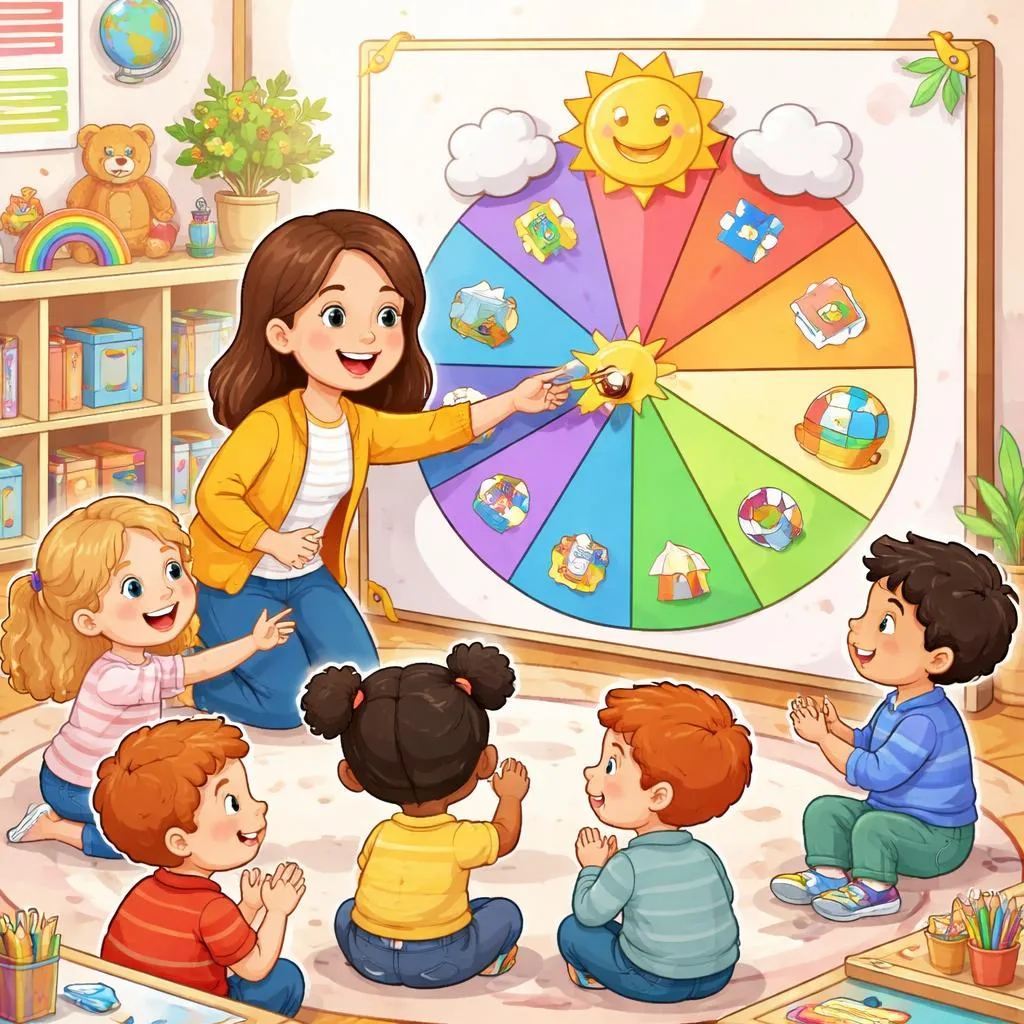
Spin the Wheel: Create a wheel with the seven days. Children take turns spinning. They must say the day where the spinner lands. For extra challenge, they name an activity that happens on that day.
Day Memory Match: Create two sets of day cards. Place them face down. Children take turns flipping two cards. They try to find matches. When they make a match, they say the day name aloud.
Weekend Weather Report: On Friday, children pretend to be weather reporters. They give the forecast for Saturday and Sunday. "Saturday will be sunny. Sunday will be rainy." This practices future tense and day names together.
Day Detective: Give clues about a mystery day. "This day comes after Tuesday. This day starts with T. What day is it?" Children guess the day. They can create their own clues for friends.
Connecting Days to Writing Practice Writing the day names helps reinforce spelling and recognition. Here are some writing activities.
Daily Journal: Each day, children write the date at the top of their journal page. They copy the day name from the board. This daily practice builds automaticity.
Fill in the Blank: Create sentences with missing day names. "We have gym on _______." Children complete the sentence with the correct day.
Day Book: Create a class book about the week. Each page features one day. Children draw what they do on that day and write a simple sentence. "On Monday, I go to school." Bind the pages together and read them often.
Rainbow Writing: Children write each day name using different colors. They trace over the letters multiple times. This builds muscle memory for spelling.
Day Word Search: Create simple word searches with the seven day names. Children find and circle them. This builds visual recognition.
Using Technology for Day Learning Digital tools can support day name learning. Here are some simple ways to incorporate technology.
Calendar Apps: Display a digital calendar on the classroom screen. Point to today's day. Show how the days move forward. Children can see the week visually.
Recording Station: Children record themselves saying the days of the week. They listen to the recording and check their pronunciation. This builds confidence and self-assessment.
Interactive Whiteboard Games: Many websites offer simple drag-and-drop games for ordering the days. Use these during center time for extra practice.
Morning Message: Display a daily message on the screen. Include the day name. Read it together each morning. This connects reading practice to calendar learning.
The days of the week structure our lives. They tell us when things happen. They help us look forward to special events. Teaching the name of week days gives children language to participate in these conversations. They can ask about plans. They can talk about their favorite days. They can understand when things will happen. This knowledge brings order to their world and builds independence. With songs, games, and daily practice, the seven names become second nature. And that is a wonderful gift for young learners.