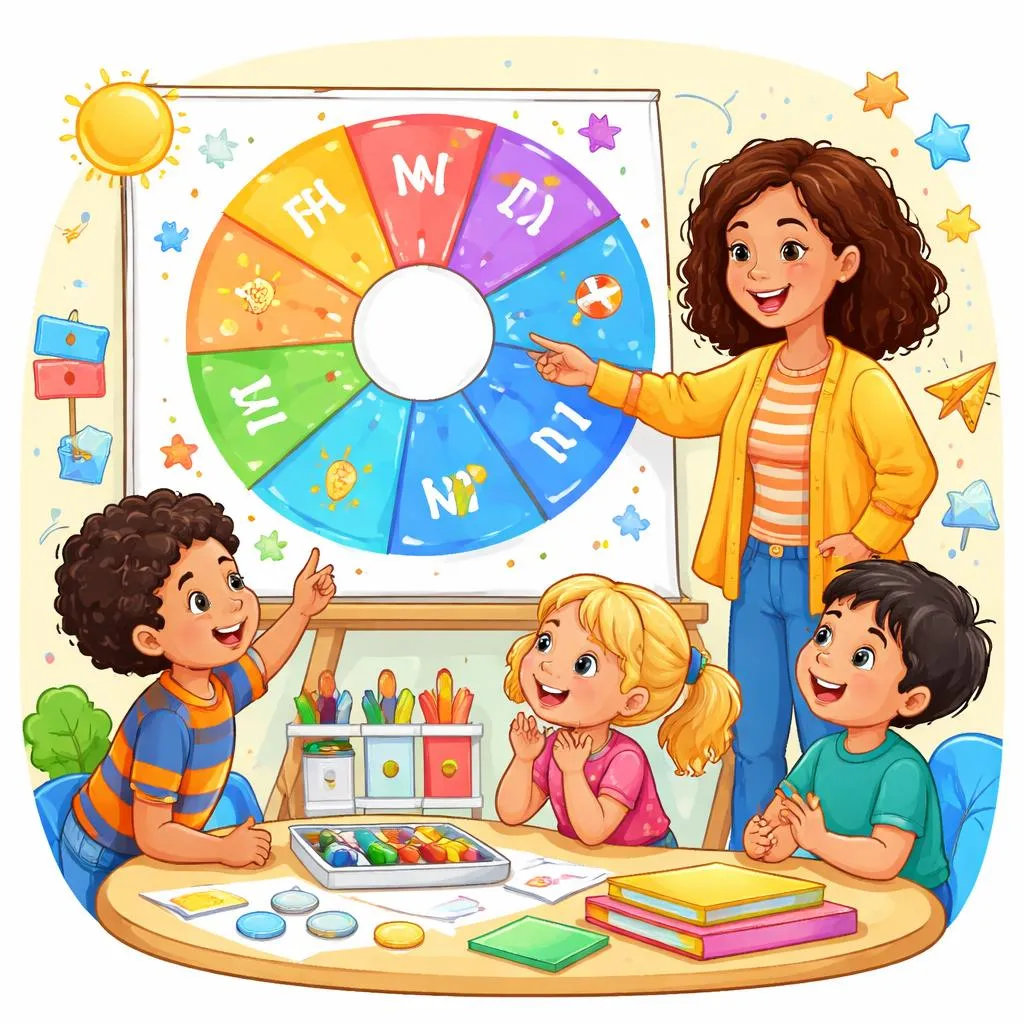

Teaching children the days of the week is an important milestone in early education. Understanding the weekly cycle helps children make sense of their routines. They learn when special events happen. They understand the rhythm of school and home life. Today, we are going to explore the days of the week list and discover effective methods for helping young learners master this essential sequence.
What Are the Days of the Week? The days of the week are the seven named periods that make up one week. They follow a specific order that never changes. Sunday is often considered the first day of the week in many cultures. Monday is the first day of the school and work week in most places.
The seven days are: Sunday, Monday, Tuesday, Wednesday, Thursday, Friday, Saturday.
After Saturday, the cycle begins again with Sunday. This pattern repeats endlessly throughout our lives. Children need to learn both the names and the correct order.
Each day has its own character. Weekdays are for school and work. Weekends are for rest and fun. Some days have special activities. Monday might be music class. Friday might be show and tell. Saturday might be swimming lessons.
Meaning and Explanation of the Days How do we explain the days of the week to young children? We start with what they experience directly. Today is a specific day. Yesterday was the day before. Tomorrow will be the next day.
We can explain that the days go in a circle. After Sunday comes Monday. After Monday comes Tuesday. The pattern keeps going. When we reach Saturday, the next day is Sunday again. The week never ends.
We connect each day to familiar activities. "On Monday we go to school. On Tuesday we have music class. On Wednesday we go to the library. On Thursday we have gym. On Friday we have show and tell. On Saturday we stay home. On Sunday we visit Grandma."
These connections make the abstract concept concrete. Children remember the day because they remember what happens on that day.
Categories or Lists of Days To help children organize the days in their minds, we can group them in different ways.
Days in Sequential Order: The most important list is the sequence itself. Sunday, Monday, Tuesday, Wednesday, Thursday, Friday, Saturday. We practice this order until it becomes automatic through repetition.
Weekdays and Weekend: Weekdays are Monday, Tuesday, Wednesday, Thursday, and Friday. These are days for school and work. The weekend is Saturday and Sunday. These are days for rest and family time.
Today, Yesterday, Tomorrow: These concepts help children understand the flow of time. Today is the current day. Yesterday was the day before today. Tomorrow will be the day after today. We practice these words daily.
Special Days: Some days have special names in relation to events. "Tomorrow is my birthday." "Next Tuesday is a holiday." "Last Friday we went to the park." These phrases help children understand time relationships.
Daily Life Examples of Days The best way to learn the days is to use them in daily life. Every day offers opportunities to talk about the day of the week.
During morning circle, we identify the current day. "Today is Monday. What day was yesterday? Sunday. What day will be tomorrow? Tuesday." This daily routine builds understanding.
We talk about the weekly schedule. "On Monday we have music. On Tuesday we have art. On Wednesday we go to the library." Children learn to anticipate what comes next.
We mark special days on the calendar. Birthdays, holidays, field trips, and special events all go on the calendar. Children learn to look ahead to future days.
We use day names in conversation. "We will go to the park on Saturday." "Your birthday is on Thursday." "Tomorrow is Wednesday, so we have gym class."
Printable Flashcards for Days Flashcards are a useful tool for learning day names. Each card should have the day name clearly written. Adding a simple picture that represents that day helps with memory.
For Monday, we might use a school bus. For Tuesday, a music note. For Wednesday, a book for library day. For Thursday, a sports ball. For Friday, a party hat. For Saturday, a playground. For Sunday, a church or family dinner.
These visual cues help children remember which day is which. They also create conversations about why that picture represents that day.
We can also create cards that show the sequence. Cards can be arranged in order on a pocket chart or on the floor. Children practice putting them in the correct sequence.
Learning Activities or Games for Days Games make learning the days active and fun. Here are some activities that work well in the classroom.
Day Order Line-Up: Give each child a card with a day name. Ask them to work together to line up in the correct order from Sunday to Saturday. They must talk to each other and figure out the sequence. This builds cooperation and knowledge together.
Yesterday and Tomorrow Game: Hold up a day card. Ask children to name the day before and the day after. "This is Wednesday. What day comes before Wednesday? What day comes after?" This builds understanding of the cycle.
Day Hopscotch: Draw a hopscotch grid outside with days instead of numbers. Children hop through the days in order, saying each name as they land. This adds movement to memorization.
Missing Day Game: Say the days in order but leave one out. Children raise their hands when they hear the missing day and name it. "Sunday, Monday, Tuesday, Thursday, Friday, Saturday." Which day is missing? Wednesday! This builds careful listening.
Day Bingo: Create bingo cards with day names. Call out descriptions. "This is the day after Tuesday." Children cover Thursday. "This is the day before Saturday." Children cover Friday. This builds listening and reasoning.
Day Sorting: Sort days into weekdays and weekend. Children place Monday through Friday in one group and Saturday and Sunday in another. This builds categorization skills.
Songs and Rhymes for Days Music is one of our most powerful tools for teaching sequences. Many songs list the days in order with catchy tunes.
Here is a common song sung to the tune of "Twinkle, Twinkle, Little Star":
Sunday, Monday, Tuesday too, Wednesday, Thursday just for you. Friday, Saturday that's the end, Now let's say those days again! Sunday, Monday, Tuesday too, Wednesday, Thursday just for you.
Another song uses the tune of "The Addams Family":
There's Sunday and there's Monday, There's Tuesday and there's Wednesday, There's Thursday and there's Friday, And Saturday! (clap, clap) The days of the week! (clap, clap) The days of the week! (clap, clap)
We sing these songs during morning meeting, during transitions, and whenever we have a few extra minutes. Repetition is key to mastering the sequence.
Calendar Routines A daily calendar routine is perfect for practicing the days. Each day, we identify the current day. We talk about what day it was yesterday and what day it will be tomorrow.
We mark the day on a linear calendar. A long strip showing all seven days in order. We move a marker to show today's position. Children can see where we are in the weekly cycle.
We count how many days until a special event. "Saturday is three days away. Let's count: Wednesday, Thursday, Friday, Saturday." This builds number sense along with day knowledge.
We change the day card at the beginning of each day. This ritual marks the transition. Children help move the marker and announce the new day.
Teaching the Concept of Yesterday and Tomorrow Yesterday and tomorrow are challenging concepts for young children. They require understanding the flow of time. We practice these words daily.
We use visual aids. A simple chart shows "Yesterday was ___, Today is ___, Tomorrow will be ___." We fill in the blanks together each morning.
We use concrete examples. "Yesterday we had music class. What did we do yesterday?" "Tomorrow we will go to the library. What will we do tomorrow?"
We use hand motions. Point behind for yesterday. Point to self for today. Point ahead for tomorrow. Physical gestures help children remember the concepts.
Days of the Week Books Picture books can reinforce day names and sequences. Many children's books focus on the days of the week.
"Today Is Monday" by Eric Carle associates different foods with each day. "Monday, string beans. Tuesday, spaghetti." The book builds anticipation for the weekend.
"Cookie's Week" by Cindy Ward shows a cat getting into mischief each day of the week. Children see the sequence through the cat's adventures.
"The Very Hungry Caterpillar" by Eric Carle shows what the caterpillar eats each day. "On Monday he ate one apple. On Tuesday he ate two pears." This book is perfect for practicing days and counting.
While reading, we pause and identify the days. "What day is it now? What will happen on Thursday?" This builds comprehension and day knowledge.
Days of the Week in Different Cultures The names of the days come from different sources. Some come from planets. Some come from gods. Some come from numbers.
In English, many day names come from Norse and Roman gods. Tuesday comes from Tyr, god of war. Wednesday comes from Woden, chief god. Thursday comes from Thor, god of thunder. Friday comes from Frigg, goddess of love. Saturday comes from Saturn, Roman god. Sunday and Monday come from the sun and moon.
In some cultures, the days are simply numbered. In Portuguese, Monday is "segunda-feira" meaning second day. Tuesday is "terça-feira" meaning third day. This pattern continues through Friday.
Sharing this information with older children builds cultural awareness and connects to history.
Creating a Days of the Week Chart Create a classroom chart showing the days of the week. Include pictures that represent each day's activities. Update it daily to show today's day.
Children can take turns being the "day helper." This child announces the day each morning. They point to it on the chart. They tell what day it was yesterday and will be tomorrow.
The chart becomes a reference children use throughout the day. "What day is library? Let's look at the chart." This builds independence and confidence.
As we explore the days of the week list with young learners, we help them understand the rhythm of their lives. They learn to anticipate what comes next. They understand when special events will happen. They develop a sense of time and sequence. Through songs, games, and daily routines, the days become familiar friends. Sunday, Monday, Tuesday each have their own personality. The weekly cycle becomes a comfortable pattern that organizes their world.