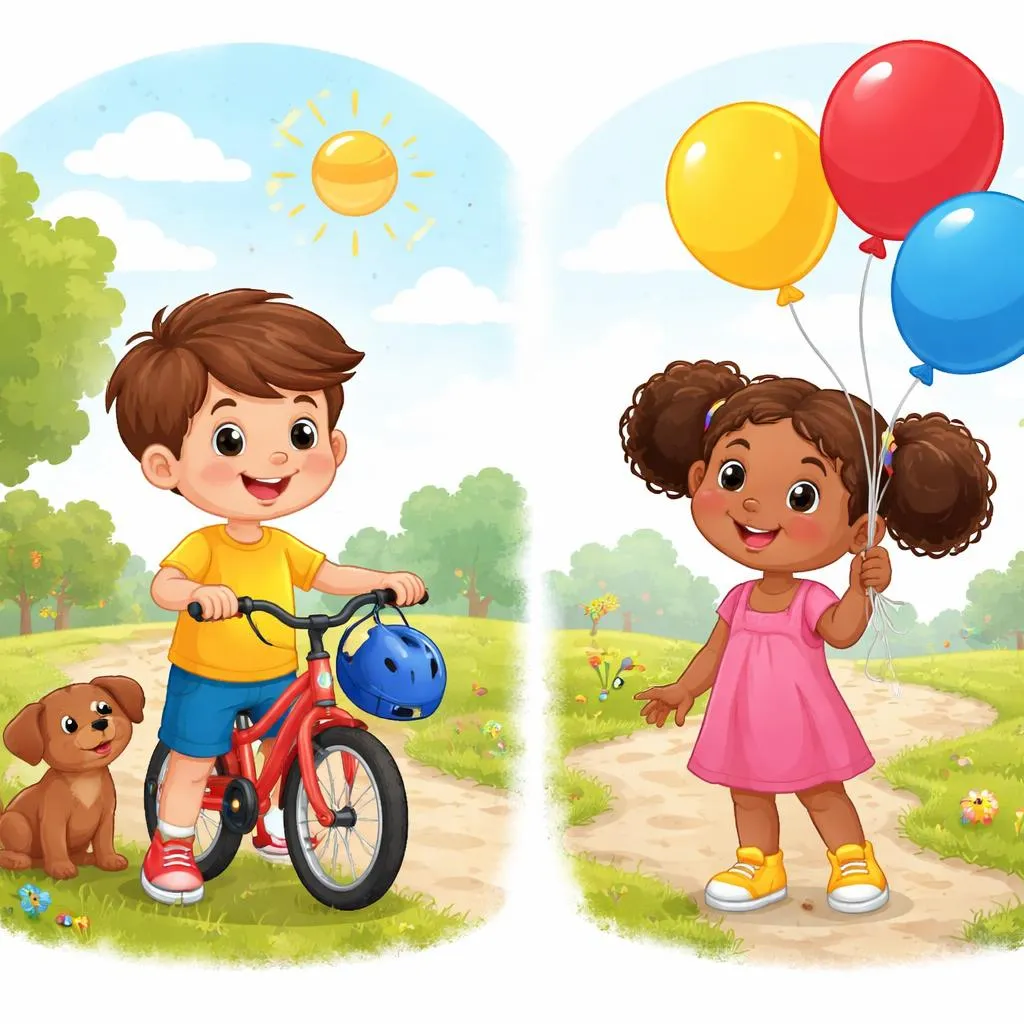

Children have many things. They own toys. They hold snacks. Parents hear kids say, "I own this game" or "Can I hold your hand?" These two words seem different. But they both describe having something. Knowing the difference between an "own to" and a "hold to" helps children understand ownership versus temporary control. Let us explore these two important words together.
What Do These Expressions Mean?
An "own to" means something belongs to you permanently. You have legal or moral rights to it. Owning means it is yours to keep. For example, you own your bicycle. You own your clothes. A "hold to" means you are gripping something physically. Holding is temporary. You can hold something that belongs to someone else. For example, you hold a friend's hand. You hold a library book. For a child, owning feels like forever. Holding feels like right now.
Both are about having something. That is why the two expressions seem similar. When you own something, you can hold it. When you hold something, you might not own it. Understanding this difference helps children know what is truly theirs and what is just in their hands for a moment.
What's the Difference?
The main difference lies in permanence and rights. An "own to" is permanent. It does not change when you put the item down. You still own it. A "hold to" is temporary. As soon as you let go, you are no longer holding it. One is about legal or moral belonging. The other is about physical grip. Think of owning as having your name written on something forever. Think of holding as gripping a bar of soap. When you let go, it is gone from your hand.
Another difference is that ownership often comes with responsibility. You must take care of what you own. Holding has less responsibility. You just need not drop it. This difference helps children understand that owning a pet means feeding it every day. Holding a pet for five minutes is just gentle gripping. Owning is a big deal. Holding is a small moment.
When Do We Use Each One?
Use an "own to" for things that are permanently yours. At home, a child says "I own this tablet. It was a birthday gift." Use own for valuable items. "She owns a collection of seashells." Use own for property. "We own our house." Use own for anything that belongs to you legally or morally. Own is about rights. You can own something even if you are not holding it. Your bike is yours even when you are at school.
Use a "hold to" for temporary physical grip. At the park, a child says "Can I hold your water bottle for a minute?" Use hold for hands. "Please hold my hand while we cross the street." Use hold for objects you are carrying. "He holds his lunch tray carefully." Use hold for anything in your grasp right now. Hold is about physical contact. If you let go, you are no longer holding it.
Real-life situations use both naturally. A parent says "You own your teddy bear. It is yours forever. But right now, your baby brother is holding it. He is holding your bear. He does not own it. He is just holding it for a minute. When he puts it down, you still own it. Holding is temporary. Owning is permanent." Another example: a child borrows a pencil. They hold it to write. They do not own it. The pencil belongs to the friend. The child is just holding it.
Example Sentences for Kids
Here are simple examples of an "own to":
"I own a pair of roller skates that I got for my birthday."
"Our family owns a cabin at the lake."
"She owns more books than anyone in the class."
Here are simple examples of a "hold to":
"Please hold the door for the person behind you."
"He holds his mother's hand when he feels nervous."
"Can you hold this flashlight while I look under the bed?"
Notice how the own examples talk about permanent belonging. The hold examples talk about temporary physical grip. When you own something, you do not need to be touching it. When you hold something, you are touching it right now. That is the simplest way to tell them apart.
Common Mistakes to Avoid
Many children say "own" when they mean "hold". They say "I own the pencil" when they are just using it. The correct way is to say "I am holding the pencil" unless it truly belongs to you. Using own for borrowed things confuses people. Save own for things that are yours to keep. This helps children be honest about what belongs to them.
Another mistake is thinking holding means owning. A child says "I am holding this toy, so it is mine." That is not correct. The correct way is to know that holding is temporary. You can hold a friend's toy. That does not make it yours. This is an important social lesson about sharing and respecting other people's belongings. Holding is borrowing. Owning is keeping.
A third mistake is forgetting that you can own things you cannot hold. A child says "I cannot hold my house, so I do not own it." The correct way is to know that ownership is about rights, not about physical grip. You own your house. You own your bed. You own your backpack even when it is on the floor. You do not need to hold something to own it. This distinction helps children understand the concept of property.
Easy Memory Tips
Here is a simple trick. Imagine an "own to" as a drawer with your name on it. Things inside are yours forever, even when you are not looking. Imagine a "hold to" as your hand gripping a banana. You are holding it now. You eat it. Then it is gone. So own = named drawer (permanent). Hold = hand grip (temporary). This comparison works beautifully.
Another tip uses the first letters. Own starts with O. Think of "O for Ours forever." Things you own are yours forever. Hold starts with H. Think of "H for Here in Hand." If it is in your hand right now, you are holding it. Practice with your child. Ask "Is this yours forever or just in your hand right now?" If forever, say own. If just in hand, say hold. This question works for almost every situation.
Quick Practice Time
Try these simple exercises with your child.
Fill in the blank: Choose "own" or "hold".
"I __________ a bicycle that I have had for three years." (Answer: own)
"Please __________ this egg carefully so it does not break." (Answer: hold)
Multiple choice: Pick the correct description.
Which one means permanent belonging, even when you are not touching the thing?
A) Hold
B) Own
(Answer: B)
Which one means temporary physical grip, right now in your hand?
A) Own
B) Hold
(Answer: B)
These quick questions take only two minutes. They help children see the difference between permanent ownership and temporary grip. Look around your home. Ask your child "What do you own?" Then ask "What are you holding right now?" That real practice builds vocabulary and understanding of property.
Wrap-up
The key difference is simple. Own means something belongs to you permanently, even when you are not touching it. Hold means you are gripping something physically right now, but it may not be yours. Learning this difference helps children respect other people's belongings and understand their own rights. Keep talking about what you own and what you are holding. Your child will learn that owning is a big responsibility, and holding is a gentle act of care.