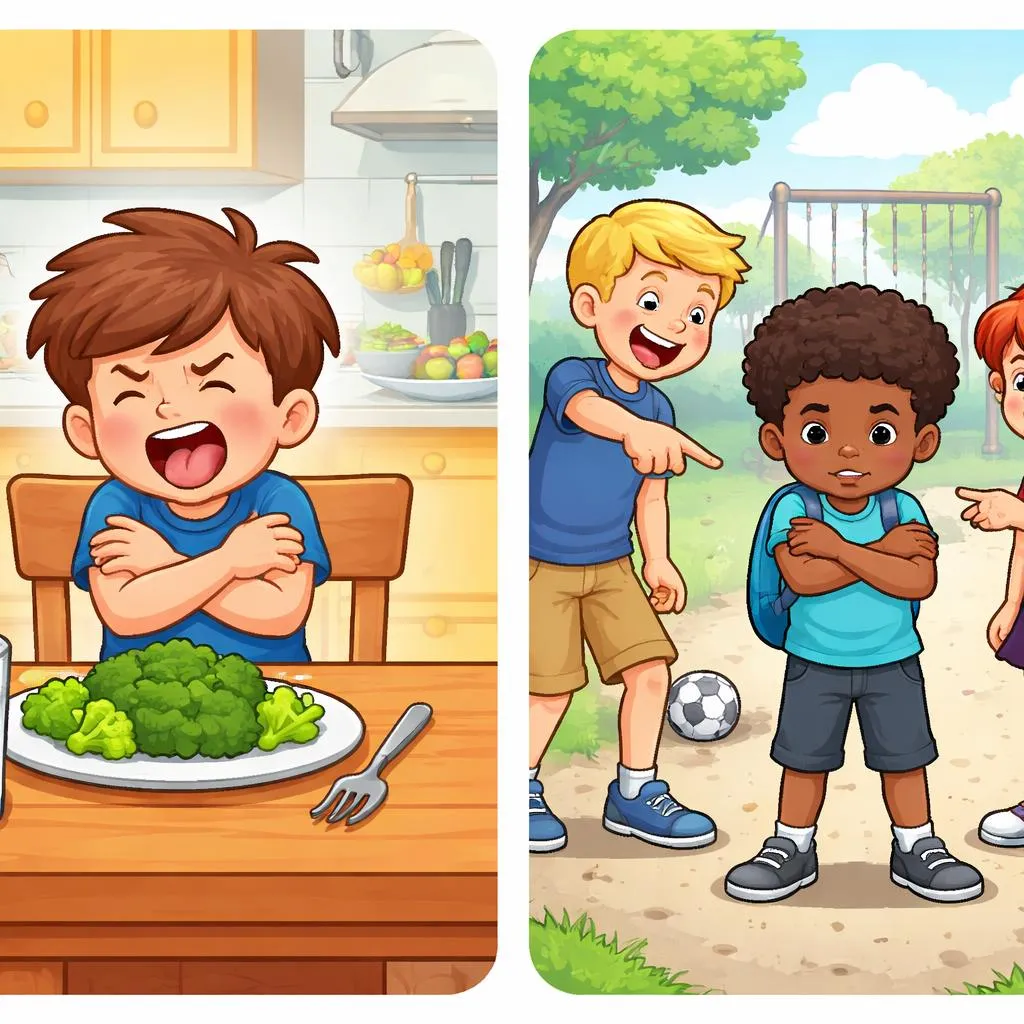

Children have strong opinions. They refuse to eat certain foods. They complain about chores. Parents hear kids say, "I hate this" or "I dislike that". These two words seem very close. But they describe different levels of negative feeling. Knowing the difference between a "hate to" and a "dislike to" helps children express their feelings accurately. Let us explore these two strong feeling words together.
What Do These Expressions Mean?
A "hate to" means a very strong feeling of dislike. Hate is powerful. It can make you feel angry or upset. Hate is a word for serious situations. For example, you hate when someone is mean. You hate being treated unfairly. A "dislike to" means a mild feeling of not liking something. Dislike is gentle. It does not make you very upset. For example, you dislike broccoli. You dislike rainy days. For a child, hate feels like a big, red, hot flame inside you.
Dislike feels like a small, blue, cool raindrop. Both are about not liking something. That is why the two expressions seem similar. Dislike is a small "no thank you." Hate is a huge "never again." Understanding this difference helps children choose the right word for how they feel. Using hate too much makes it less powerful. Saving hate for important things makes it meaningful.
What's the Difference?
The main difference lies in strength and how long the feeling lasts. A "hate to" is very strong. It can make your heart beat faster. Hate often comes from deep hurt or anger. A "dislike to" is weak. You can say "I dislike this" and feel calm. One is a storm. The other is a light breeze. Think of hate as a volcano exploding. Think of dislike as a lukewarm cup of tea. You do not like the tea. But you are not angry about it.
Another difference is what they are used for. Hate is usually for serious things: cruelty, unfairness, harm. Dislike is for everyday preferences: foods, weather, small chores. This difference helps children know when to use each word. You can dislike homework. You should not say you hate homework unless something truly terrible happened. Dislike is for daily life. Hate is for when something feels truly wrong.
When Do We Use Each One?
Use a "dislike to" for mild preferences. At dinner, a child says "I dislike mushrooms." Use dislike for foods. "She dislikes spicy food." Use dislike for activities. "I dislike cleaning my room." Use dislike for weather. "He dislikes windy days." Dislike is a polite word. It says "no thank you" without drama. You can dislike many things. That is normal. Everyone has preferences.
Use a "hate to" for very strong negative feelings. At home, a child says "I hate when my brother takes my toys without asking." Use hate for unfairness. "She hates being left out." Use hate for cruelty. "He hates it when people make fun of others." Use hate for deep frustrations. "I hate that I lost my favorite hat." Hate is a powerful word. Use it carefully. If you say hate too often, people stop listening. Save it for things that truly upset you.
Real-life situations use both naturally. A parent says "You told me you hate broccoli. But you were not crying or angry. You just did not want to eat it. That is dislike, not hate. Hate is a much stronger word. You hate when someone hurts your feelings. That is hate. Broccoli is just dislike." Another example: a child says "I dislike rainy days because I cannot play outside. But I hate it when my friend cancels our playdate without telling me." The dislike is mild. The hate comes from feeling hurt and disrespected.
Example Sentences for Kids
Here are simple examples of a "dislike to":
"I dislike the taste of pickles."
"She dislikes getting up early on Saturdays."
"He has a strong dislike for loud noises."
Here are simple examples of a "hate to":
"I hate it when people are rude to my friends."
"She hates feeling left out of games."
"He has a deep hate for unfair rules."
Notice how the dislike examples talk about everyday preferences. The hate examples talk about hurt feelings, unfairness, and serious wrongs. Dislike is about taste and comfort. Hate is about justice and respect. That is the deepest difference. Hate often comes from feeling hurt. Dislike comes from simple preference.
Common Mistakes to Avoid
Many children say "hate" for everything. They say "I hate peas" and "I hate homework" and "I hate rain". That is very common. The correct way is to save hate for serious things. Use dislike for small annoyances. This helps your child's language sound more mature. It also helps them notice when they are truly upset versus just annoyed. That is a great emotional skill.
Another mistake is thinking hate is always bad. A child says "It is wrong to hate anything." The correct way is to know that hate can be a healthy response to bad things. It is okay to hate cruelty. It is okay to hate unfairness. Hate becomes a problem when you hate people instead of hating their actions. You can hate what someone did without hating the person. This is a wise distinction for older children.
A third mistake is forgetting that you can dislike things and that is fine. A child says "I should like everything." That is not realistic. The correct way is to know that having dislikes is normal. Everyone dislikes some foods, some weather, some chores. Dislikes are part of being human. The goal is not to like everything. The goal is to handle your dislikes with grace. Say "I dislike this, but I will be polite about it." That is a mature skill.
Easy Memory Tips
Here is a simple trick. Imagine a "dislike to" as a small pebble in your shoe. It is annoying. You notice it. But you can keep walking. Imagine a "hate to" as a big rock that traps your foot. You cannot move. You need help. You feel angry. So dislike = pebble (annoying). Hate = boulder (stopping you). This physical comparison works beautifully for children.
Another tip uses the first letters. Dislike starts with D. Think of "D for Dislike is Daily." You have small dislikes every day. Hate starts with H. Think of "H for Hate is Huge." Hate is a huge feeling. Practice with your child. Ask "How big is this feeling? Is it a small annoyance or a big upset?" If small, say dislike. If huge, say hate. This question helps children gauge their own emotions.
Quick Practice Time
Try these simple exercises with your child.
Fill in the blank: Choose "dislike" or "hate".
"I __________ it when the internet is slow, but it is not a big deal." (Answer: dislike)
"I __________ it when people lie about me to others." (Answer: hate)
Multiple choice: Pick the correct description.
Which one is a mild feeling of not liking something, like a food or a chore?
A) Hate
B) Dislike
(Answer: B)
Which one is a very strong feeling of opposition, often about unfairness or cruelty?
A) Dislike
B) Hate
(Answer: B)
These quick questions take only two minutes. They help children see the strength difference between mild and intense feelings. Think about your day. Ask your child to name one dislike (something small) and one hate (something that truly upset them). That real practice builds emotional vocabulary and self-awareness.
Wrap-up
The key difference is simple. Dislike is a mild feeling of not wanting something, like a food or a chore. Hate is a very strong feeling of opposition, often about unfairness, cruelty, or deep hurt. Learning this difference helps children express their feelings accurately and save strong words for when they truly matter. Keep talking about feelings. Keep using the right words. Your child will learn that small dislikes are normal and big hates should be spoken about with trusted people who can help.