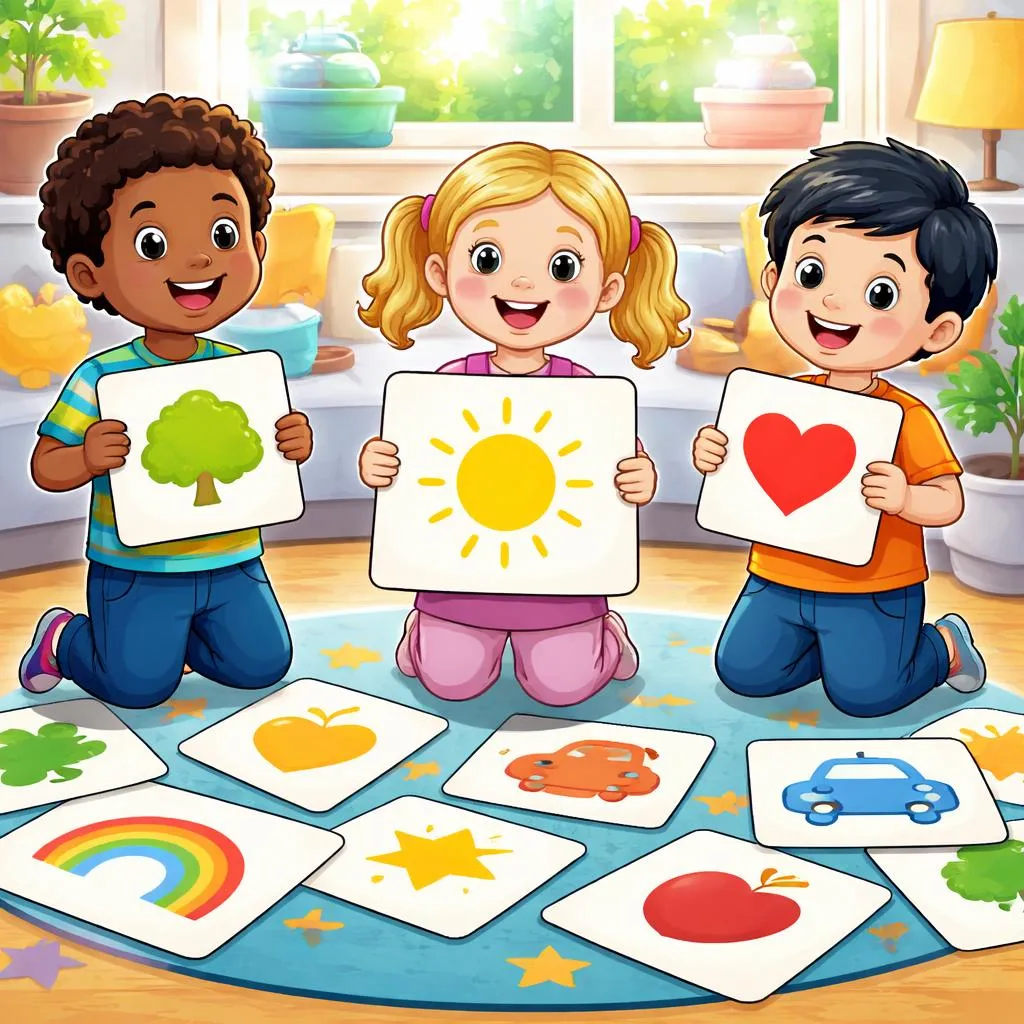

The One Word Project is a powerful and simple concept that has transformed classrooms around the world. Instead of creating long lists of resolutions, children choose one single word to focus on for the year. Today, we are going to explore the one word project and discover how this simple idea builds vocabulary, character, and self-awareness in young learners.
What Is the One Word Project? The One Word Project is an activity where children choose one word to be their focus for a period of time. This could be a school year, a semester, or even just a month. The word represents something they want to work on, develop, or remember.
Instead of making resolutions that are easy to forget, children select a single word that carries meaning for them. This word becomes a touchstone. They think about it, talk about it, and try to live it each day.
The project was inspired by the book "One Word That Will Change Your Life" by Jon Gordon, Dan Britton, and Jimmy Page. Teachers adapted the concept for classrooms, and it has become a powerful tool for social-emotional learning.
For young children, the One Word Project is simplified. They choose words like "kind," "brave," "helpful," or "try." These are concepts they can understand and practice in their daily lives.
Meaning and Explanation of the One Word Project How do we explain the One Word Project to young children? We start with simple questions.
"What is something you want to get better at?" "How do you want to be as a friend?" "What word would make our classroom a better place?"
Children think about these questions and choose a word that speaks to them. The word becomes their guide. When they face a challenge, they remember their word. When they interact with others, they think about their word.
The power of one word is focus. It is easier to remember one word than a list of rules or goals. Children can carry their word in their hearts and minds throughout the day.
Categories or Lists of One Word Ideas To help children choose their word, we can offer categories and examples.
Character Words: Kind, brave, honest, helpful, respectful, responsible, patient, gentle, fair, loyal. These words describe how we want to be as people.
Action Words: Try, share, listen, help, create, explore, imagine, learn, grow, practice. These words describe what we want to do.
Feeling Words: Happy, calm, peaceful, grateful, joyful, proud, confident. These words describe how we want to feel.
Learning Words: Focus, ask, wonder, discover, understand, remember, think. These words describe how we want to learn.
Friendship Words: Friend, share, care, include, play, help, listen. These words describe how we want to be with others.
Classroom Words: Ready, quiet, listen, work, clean, safe, kind. These words describe how we want our classroom to be.
Daily Life Examples of the One Word Project The One Word Project becomes part of daily classroom life. Here are examples of how it works.
Morning meeting begins with a check-in. "Let's remember our one word today. Maria, what is your word? Kind. How can you be kind today?"
Throughout the day, teachers refer to the words. "I see Sarah being helpful. She helped her friend clean up." "Juan is showing his word 'brave' by trying something new."
At the end of the day, children reflect. "How did you live your word today?" "Was it easy or hard to remember your word?" "What will you do tomorrow?"
Parents can be involved too. They ask their child about their word at home. They notice when their child lives the word. This connects home and school.
Printable Flashcards for One Word Project Flashcards help children understand different word choices. Each card should show the word, a simple definition, and a picture.
Create cards for common one word choices:
Kind: helping others, with a picture of children sharing
Brave: trying something new, with a picture of a child on a slide
Helpful: assisting others, with a picture of a child helping clean up
Try: making an effort, with a picture of a child attempting something
Friend: being a good friend, with a picture of children playing together
Listen: paying attention, with a picture of children listening in circle time
Share: giving to others, with a picture of children sharing toys
Calm: being peaceful, with a picture of a child taking deep breaths
Children can look through the cards and choose the word that speaks to them.
Learning Activities or Games for One Word Project Activities help children engage with their words throughout the year.
Word Introduction: Introduce the project by reading a book about one word. "One" by Kathryn Otoshi is perfect. It shows how one small dot can make a difference. Discuss how one word can make a difference too.
Word Selection: Give children time to think about their word. They can look through word cards. They can talk with partners. They can draw pictures of their word. They can try on different words before choosing.
Word Art: Children create art projects featuring their word. They write the word in big letters. They decorate it with colors and designs. They add pictures that show what the word means to them.
Word Sharing: Children share their words with the class. They explain why they chose that word. They give examples of how they will live their word. This builds community and understanding.
Word Check-Ins: Regularly check in about words. During morning meeting, children share how they lived their word yesterday. During closing circle, they set an intention for tomorrow.
Word Celebrations: Celebrate when children live their words. Give specific praise. "I noticed you were very kind today when you shared your snack." This reinforces the behavior.
Word Walls and Displays Create a classroom display for the One Word Project. Each child's word appears with their name and perhaps a photo.
The display serves as a daily reminder. Children see their words and their friends' words. They can refer to them throughout the day.
The display can be interactive. Add sticky notes when you notice someone living their word. "I saw Maria being kind today." This builds a positive classroom culture.
Connecting Words to Literature Books can inspire word choices and deepen understanding of words.
"Have You Filled a Bucket Today?" by Carol McCloud connects to the word "kind." It shows how kindness fills buckets.
"The Dot" by Peter Reynolds connects to the word "try." It shows how trying leads to creating.
"Beautiful Oops" by Barney Saltzberg connects to the word "brave." It shows that mistakes can become beautiful.
"Stick and Stone" by Beth Ferry connects to the words "friend" and "helpful." It shows how friends help each other.
Reading these books throughout the year reinforces the power of one word.
Words Changing Over Time Words can change. A child might start with one word and realize another word fits better. This is okay. The project is about growth, not perfection.
At the end of a term, children can reflect on their word. Did it serve them well? Do they want a new word? This reflection builds self-awareness.
Some children keep the same word all year. Others change with the seasons. Both approaches are valuable.
One Word for the Whole Class In addition to individual words, the class can choose a shared word. This word represents what the whole group wants to work on together.
Class words might include: "community," "kindness," "respect," "teamwork," "fun." The class word becomes part of daily conversations. "Remember our class word is teamwork. How can we show teamwork today?"
The class word builds collective identity and shared purpose.
One Word for Families The One Word Project can extend to families. Send home information about the project. Invite families to choose their own words.
Families can share their words at home. They can talk about them at dinner. They can notice when family members live their words.
This extends the learning beyond the classroom and strengthens home-school connections.
Assessing the One Word Project How do we know if the One Word Project is working? We observe changes in behavior. We notice children using their words. We hear them reminding each other about words.
We can ask children to reflect. "How has your word helped you?" "What have you learned about yourself?" "Would you choose the same word again?"
These reflections show the impact of the project on children's self-awareness and character development.
One Word for Teachers Teachers can choose their own word too. This models the process for children. When children see their teacher focused on a word, they understand its importance.
A teacher's word might be "patience," "joy," "presence," or "growth." Sharing this with children builds community. They can help their teacher live their word too.
As we explore the one word project with young children, we discover a simple tool with profound effects. One word gives children focus. One word builds vocabulary and character. One word creates a shared language in the classroom. Through this project, children learn that they have the power to choose who they want to be. One word at a time, they grow into their best selves.