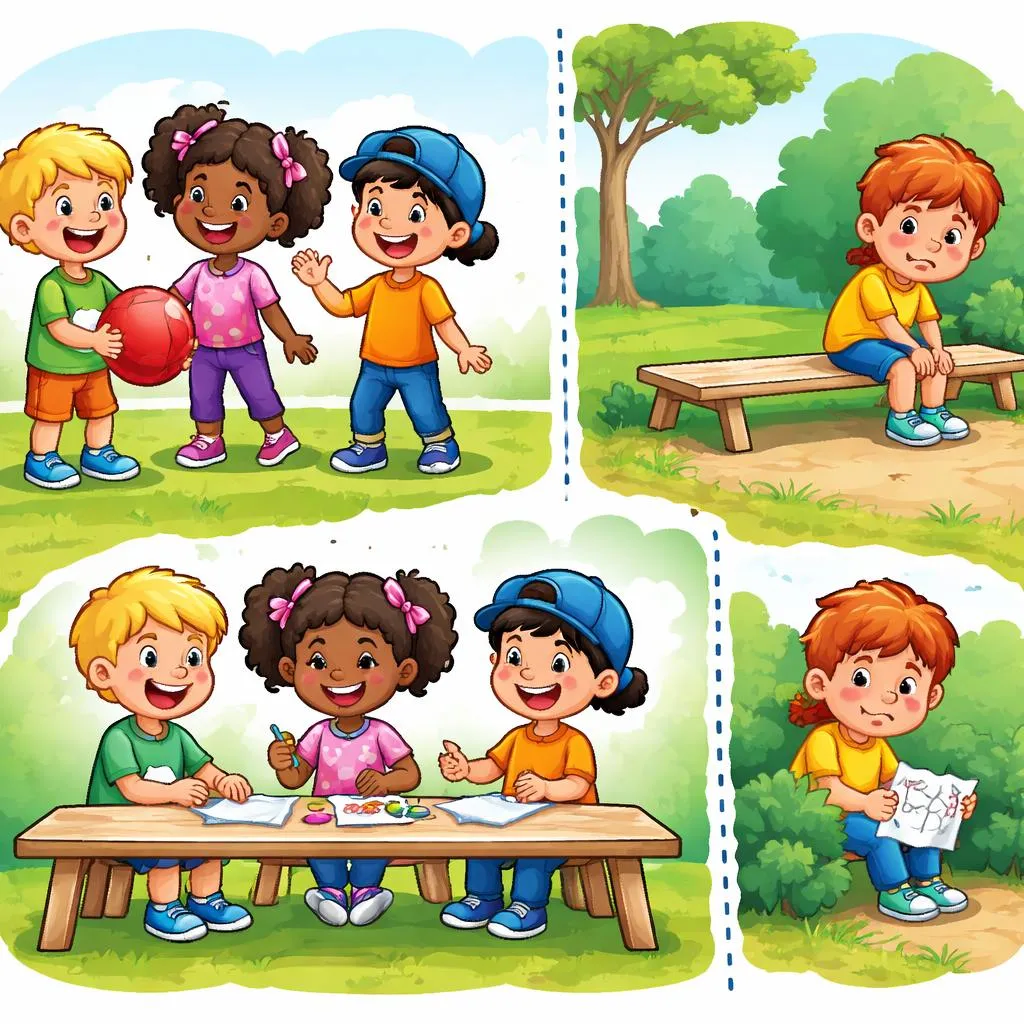

Hello, word explorer! Have you ever made a list? Maybe you had to leave something out. Did you exclude it? Or did you omit it? They both seem to be about not including something. But are they the same? They are like two different reasons to leave something behind. One is like closing a door. One is like skipping a step. Let's find out! Today, we explore the word friends "exclude" and "omit". Knowing their secret makes you a master of precise thinking. Let's begin our leaving-out adventure!
First, let's be List Detectives. Listen at home. Here are two sentences. "The rules exclude players who cheat." "I accidentally omitted your name from the guest list." They both involve leaving something out. A player. A name. Do they sound the same? One feels like a rule saying "you cannot come in." One feels like a mistake or a choice to leave out. Can you sense it? Great observation! Now, let's look closer.
Adventure! Into the World of Leaving Out
Welcome to the world of what's not there! "Exclude" and "omit" are about leaving something out. But they are not the same. Think of "exclude" as a closed door. Someone or something is kept out on purpose. Think of "omit" as a missing piece. Something is left out, sometimes by mistake. Both are about absence. But one is about "keeping out". One is about "leaving out". Let's learn about each one.
A Closed Door vs. A Missing Piece Think about the word "exclude". "Exclude" feels active and sometimes harsh. It means to deliberately keep someone or something out. The club can exclude people who break rules. The high fence excludes stray dogs. It is about prevention. Now, think about "omit". "Omit" feels more neutral or technical. It means to leave something out, to not include it. You might omit a detail from a story. A recipe may omit salt. "Exclude" is like a bouncer at a party door. "Omit" is like forgetting to add an ingredient. One is about blocking. One is about missing.
A Social Action vs. A List-Making Action Let's compare their nature. "Exclude" is often about people, groups, or things being prevented from entering. It can feel unfair. The game excludes younger children. The data excludes last week's numbers. "Omit" is often about information, details, or items from a list or set. You omit a boring chapter. Please omit question five. You exclude someone from a team. You omit their name from the roster. One answers "who is not allowed?" The other answers "what is not there?"
Their Special Word Partners and Common Uses Words have best friends. "Exclude" loves words about people, groups, and rules. Exclude someone from a game. Feel excluded. Rules that exclude. "Omit" loves words about information, details, and parts. Omit a fact. Omit by accident. Omit from the report. Note: You are "excluded from" a place or group. Something is "omitted from" a list or text. You can feel "left out". This is close to "excluded". You can "leave out" a detail. This is close to "omit".
Let's visit a school scene. Some kids are playing soccer. They say, "We should exclude players who don't take turns." This is a rule to keep out those who are not fair. Later, you write a book report. Your teacher says, "You can omit the summary of chapter two." This means you can leave that part out of your writing. The word "exclude" fits the action of keeping unfair players out. The word "omit" fits the choice to leave out a book chapter detail. One is about people. One is about information.
Now, let's go to the playground. A new game has a rule. The sign says, "This ride excludes children under this tall line." The line keeps out those who are too small. Later, you make a map for a treasure hunt. You decide to omit one clue to make it harder. The word "exclude" fits the safety rule that keeps some kids out. The word "omit" fits your choice to leave out a clue from the list. One is a barrier. One is a deletion.
Our Little Discovery So, what did we find? "Exclude" and "omit" are about not including. But "exclude" is stronger. It means to deliberately prevent or keep out. It is often about people or things being blocked. "Omit" is gentler. It means to leave something out, often from a list or story. It can be on purpose or by accident. The club excluded him. The author omitted the secret. You exclude someone from a party. You omit their name from the list. "Exclude" is about keeping out. "Omit" is about leaving out.
Challenge! Become a Precision Word Champion
Ready for a nature test? Let's try your new skills!
"The Best Choice" Challenge Let's imagine a nature scene. A hive of bees works together. If a bee is sick, the other bees might exclude it from the hive. They actively keep it out to protect the group. Now, think of a bird building a nest. The bird uses twigs and leaves. The bird might omit soft moss this time. It simply leaves it out, perhaps by choice. "Exclude" wins for the bees actively keeping the sick one out. "Omit" is the word for the bird leaving out an item from its nest materials. One is an active rejection. One is a simple absence.
"My Sentence Show" Your turn to create! Here is your scene: Writing the rules for a new club. Can you make two sentences? Use "exclude" in one. Use "omit" in one. Try it! Here is an example: "The club rules exclude anyone who is unkind to others." This is about actively keeping unkind people out. "I will omit the rule about quiet hours for now." This is about leaving out a specific rule from the list. Your sentences will show keeping out versus leaving out!
"Eagle Eyes" Search Look at this sentence. Can you find the word that could be better? Let's check a home context. "I had to omit my little sister from the room because she was noisy." Hmm. This is about keeping a person out of a space. The word "omit" is usually for leaving an item or detail out of a list or story. The word "exclude" is the perfect choice for keeping a person out. A better sentence is: "I had to exclude my little sister from the room because she was noisy." Using "omit" here sounds like you removed her from a list, not from the room! "Exclude" is the champion for keeping someone out. Did you spot it? Super word work!
Harvest and Action! Turn Knowledge Into Your Superpower
Great exploring! We started thinking "exclude" and "omit" were similar. Now we know they are two different leaving-out words. "Exclude" is the word for deliberately keeping someone or something out of a place or group. "Omit" is the word for leaving something out, often a detail or item from a list or story. You can now talk about rules and writing with perfect clarity. This is a great skill for a fair and precise thinker.
What you can learn from this article: You can now see that to "exclude" someone or something means to deliberately keep them out, like excluding a player from a game for breaking rules, or a fence excluding animals. The focus is on active prevention. You can now understand that to "omit" something means to leave it out, often from a list, story, or set of information, like omitting a name by mistake, or omitting a difficult question. The focus is on absence, not active blocking. You know that a club can exclude a mean person, and a writer can omit a boring fact. You learned to match the word to the action: "exclude" for keeping out; "omit" for leaving out.
Life practice application: Try your new skill today! Be a precision word expert. Think about your games. Are there rules that exclude some players for safety? Look at your homework. Did you accidentally omit an answer? Next time you make a list, ask: Did I omit anything important? If someone is being left out of a game, are they being excluded? You are now a master of these words! Remember, you exclude people from places. You omit details from lists. Use your new power for clear and kind communication!