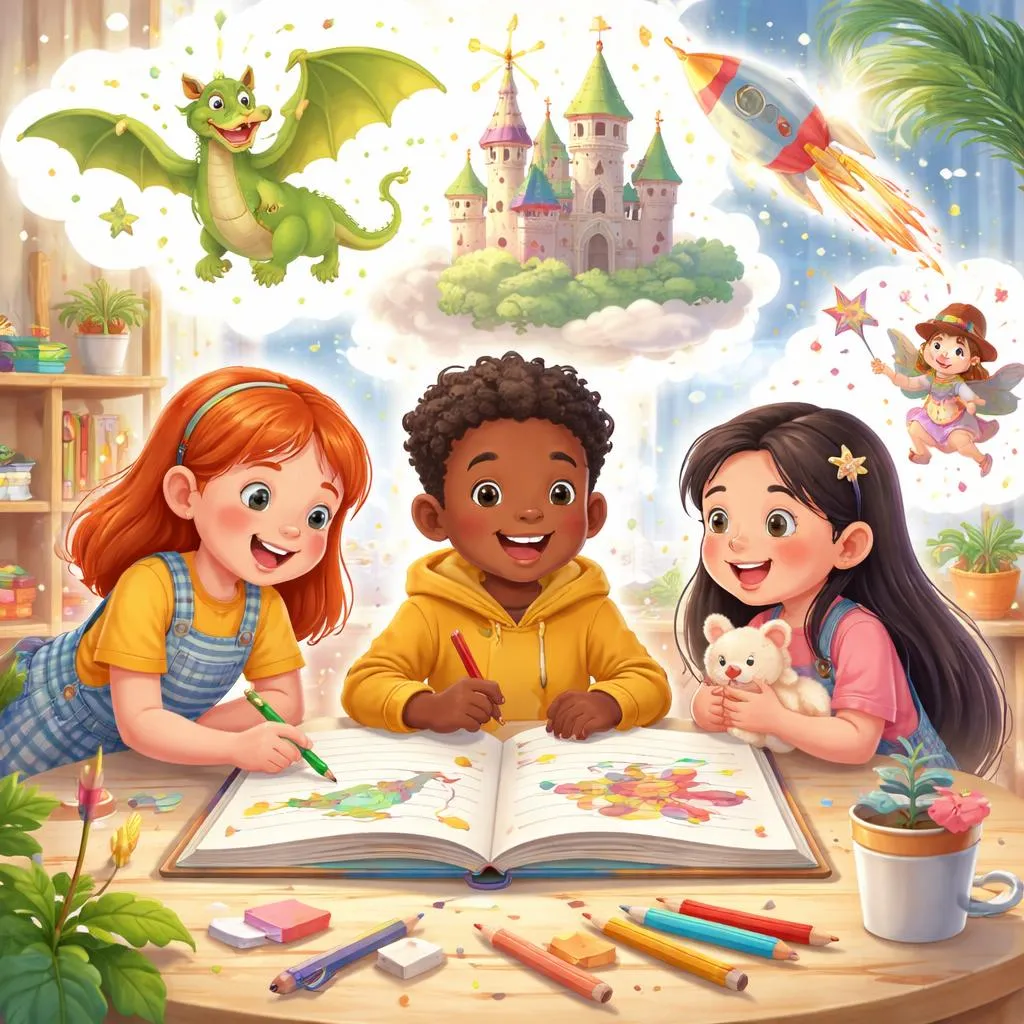

Writing a story ranks among the most rewarding yet challenging tasks for young minds. Putting ideas on paper requires creativity, organization, and language skills working together. A children's story writing course provides structured guidance through this process. It breaks down the big task into manageable steps. This article explores the components of effective story writing instruction.
What Is a Children's Story Writing Course?
A children's story writing course is a structured program that teaches young learners how to create narratives. The course introduces story elements step by step. Characters, settings, plots, and dialogue each receive focused attention. Learners practice one skill before adding the next.
The best courses balance instruction with creative freedom. They provide clear frameworks without limiting imagination. Children learn that stories have structure, but infinite possibilities exist within that structure. A scary story follows the same basic shape as a funny story. The difference comes from the choices writers make.
Courses might run for a few weeks or an entire school year. They might meet in person or online. The format matters less than the progression. Each lesson builds on previous learning. Skills accumulate until children can write complete stories independently.
Why Teach Story Writing Separately?
Story writing deserves dedicated attention for several reasons. First, it combines many skills simultaneously. Handwriting or typing. Spelling. Grammar. Vocabulary. Creative thinking. Organization. Trying to learn all these at once overwhelms many children. A course isolates the writing process, allowing focus on one aspect at a time.
Second, stories follow specific conventions. A story needs a beginning, middle, and end. Characters should face challenges and grow. These patterns can be taught explicitly. Once children understand the pattern, they can apply it creatively.
Third, story writing builds confidence differently than other writing tasks. A well-told tale earns genuine admiration from listeners and readers. This positive feedback motivates continued effort. Children begin to see themselves as writers with something valuable to share.
Daily Life Examples of Story Writing Skills
Story writing skills appear in many everyday situations beyond the classroom. A child telling about their weekend uses narrative structure. "First we went to the park. Then something funny happened." This spoken story contains the same elements as written fiction.
Writing thank-you notes involves choosing words to express feelings. This builds the descriptive skills needed for good stories. Making up games with friends requires creating characters and situations. This imaginative play parallels story creation.
Even watching movies and television provides story education. Children absorb narrative patterns from every story they encounter. A writing course helps them recognize and use these patterns intentionally rather than accidentally.
Core Components of Story Writing Instruction
An effective children's story writing course covers several key areas. Each deserves focused attention before combining into full stories.
Character Development Characters drive stories. Learners explore what makes characters interesting. Names, appearances, personalities, and desires all matter. Simple exercises create memorable characters. What does your character want most? What are they afraid of? These questions build dimensional characters.
Setting Exploration Settings create the story world. Courses teach how place affects mood and action. A story in a dark forest feels different from one on a sunny beach. Learners practice describing settings using sensory details. What does the place look like? Sound like? Smell like?
Plot Structure Plot gives stories direction. The classic beginning-middle-end structure provides a foundation. Problems arise and get solved. Characters change through their experiences. Simple diagrams help visualize story arcs.
Dialogue Writing Dialogue brings characters to life. Courses teach when to use dialogue and how to format it. Learners practice writing conversations that reveal character and advance plot. They discover that characters should sound different from each other.
Learning Activities for Story Writing
Active practice builds writing skills more effectively than passive instruction. These activities develop specific abilities within a supportive framework.
Character Interview After creating a character, learners interview them. What is your name? How old are you? What makes you happy? What scares you? Writing answers in first person builds character understanding. The character becomes real enough to write about.
Setting Postcards Learners draw a setting on one side of a paper. On the other side, they write a postcard from that place. Dear friend, wish you were here. The weather is stormy and the castle feels creepy. This combines visual and verbal creativity.
Story Mountain Drawing Introduce the story mountain concept. Introduction at the bottom. Rising action up the slope. Problem at the peak. Falling action down the other side. Resolution at the bottom. Learners plot their story ideas on this mountain before writing.
Dialogue Exchange Give learners a simple situation. Two characters meet for the first time. They write just the dialogue without narration. Reading dialogue aloud reveals whether each character sounds distinct and believable.
Educational Games for Story Writers
Games make writing practice feel like play. These activities build skills through enjoyable repetition.
Story Cubes Create or purchase cubes with pictures on each side. Roll character, setting, and problem cubes. Learners must write a story using all three elements. The random combinations spark creativity and prevent writer's block.
Story Chain One person writes the first sentence of a story. The next person adds a sentence. Continue around the group. The finished story reveals how many directions a single beginning can take.
Title Game Provide a list of intriguing titles. "The Day the Animals Talked." "My Teacher Turned Purple." "The Door That Should Stay Closed." Learners choose a title and write the story that must follow.
Character Guess Learners write short character descriptions without using the character's name. Others guess who the character might be. This builds skill in choosing revealing details.
Printable Materials for Story Writing
Tangible resources support the writing process at every stage. These materials work well for classroom or home use.
Story Planning Booklet Create a booklet with pages for each story element. My Character page with prompts for name, appearance, and personality. My Setting page with prompts for place and time. My Plot page with story mountain diagram. My Story page for final writing.
Character Profile Template Design a simple form for building characters. Name. Age. Appearance. Likes. Dislikes. Fears. Wishes. A small space for drawing the character. Multiple copies allow building a cast of characters.
Setting Description Page Create a page with sensory prompts. What can you see in this place? What can you hear? What can you smell? What is the weather like? What time of day is it? These prompts build rich setting descriptions.
Story Starters Cards Create cards with engaging first sentences. "Nobody believed Lucy when she said the old house had a secret." "The package arrived on a Tuesday, but no one had ordered anything." Learners choose a card and continue the story.
The true value of a children's story writing course extends far beyond the stories produced. Through writing, children learn to organize thoughts, express feelings, and see from others' perspectives. They discover that their ideas matter and their words have power. A well-structured course provides the tools and confidence to share these inner worlds with others. Each completed story represents not just a writing exercise but a piece of the child's imagination made visible. The skills developed through story writing support all future communication, from school essays to workplace emails to personal letters. Most importantly, the course plants seeds for a lifelong relationship with writing. Some learners will become professional authors. Many more will become adults who can express themselves clearly and find joy in putting words on paper. Both outcomes deserve celebration.