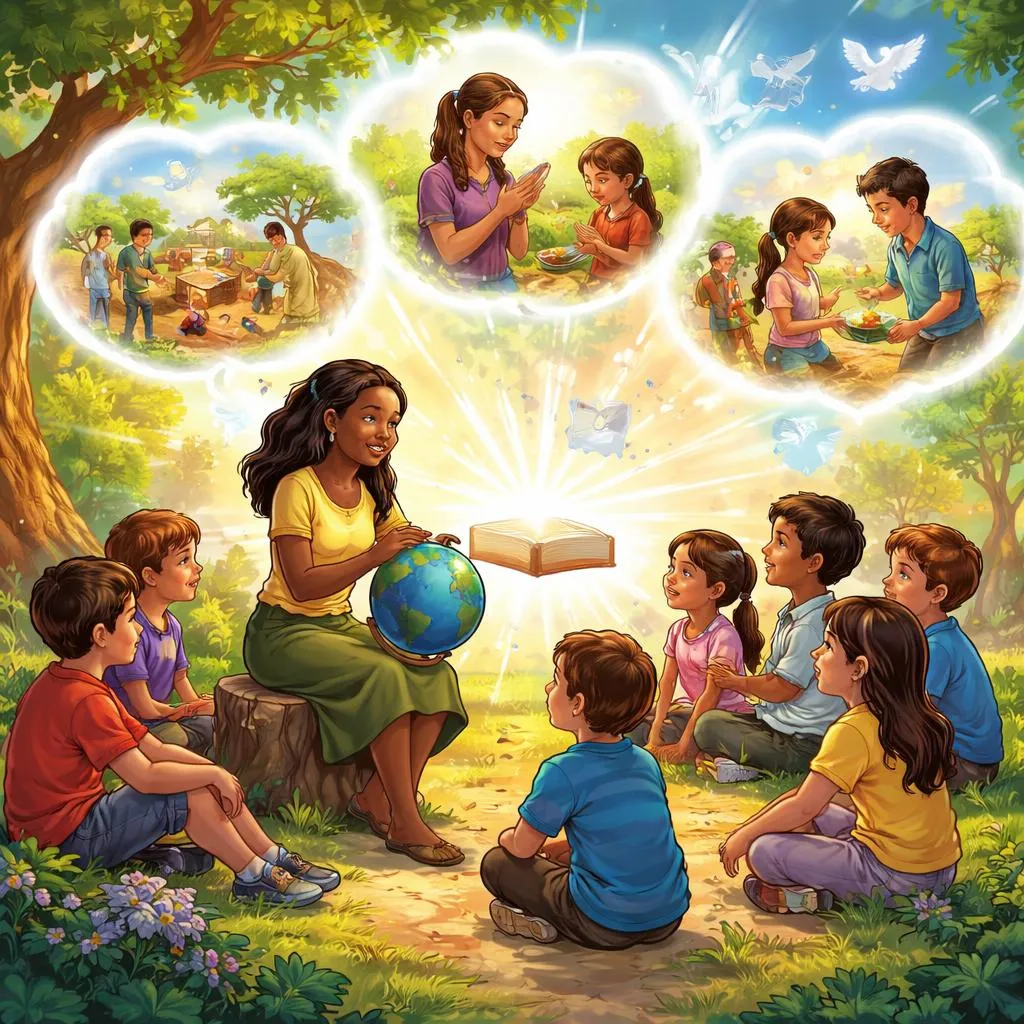

What Is an SDA Children's Mission Story? Let us explore this inspiring genre of children's literature together. An SDA children's mission story tells about Seventh-day Adventist mission work around the world. It shares how people share God's love in different countries. The stories feature real missionaries and the people they help. Children learn about hospitals, schools, and churches built in faraway places. They hear about children in other lands who are learning about Jesus. The stories show how Adventists care for people's physical and spiritual needs. Medical mission work provides healing for sick people. Educational missions teach children to read and write. Community development helps people have clean water and food. These stories inspire children to think about mission work too. They learn that even children can be part of God's mission.
Meaning and Purpose of SDA Mission Stories These stories serve several important purposes in faith formation. They broaden children's understanding of the worldwide church. The Adventist Church exists in almost every country. Children learn they are part of something much bigger. The stories also build compassion for people in other lands. Children pray for and care about those they've never met. The narratives also show faith in action, not just words. Missionaries demonstrate love through practical help. Children learn that following Jesus means helping others. The stories also inspire children to be involved in mission. They can give offerings, pray, and learn about other cultures. This plants seeds for future mission service.
Common Elements in SDA Mission Stories We can identify several elements common to SDA mission stories. A real missionary or mission project is featured. Names and places are真实 and specific. A problem or need is presented at the beginning. People might be sick, hungry, or without education. Missionaries arrive to help meet those needs. They provide medical care, food, or schools. The gospel is shared through loving service. People learn about Jesus through kindness shown. Local people respond to God's love. They may give their hearts to Jesus. The story shows how offerings from children helped. Sabbath School mission projects come to life. The story ends with hope and continued work.
Vocabulary Learning from Mission Stories Mission stories introduce important vocabulary for children. Mission means a special task or calling to serve others. Missionary means a person sent to share God's love. Adventist means a believer in the soon coming of Jesus. Global means relating to the whole world. Outreach means reaching out to help others. Compassion means caring about others' suffering. Service means work done for others. Offering means money given to God's work. Ministry means religious or spiritual work. Culture means the customs and beliefs of a group. We can teach these words with picture cards showing examples. Use them in sentences about mission work.
Phonics Points in Mission Stories Mission stories provide useful phonics practice with special vocabulary. Mission has the short I and SS and short O and N. Adventist has the short A and short E and short I and ST. Global has the GL blend and long O and short A and L sound. Outreach has the OU diphthong and long E and T and CH. Compassion has the short O and short A and short I and SH sound. Service has the SER combination and short I and soft C. Offering has the short O and short E and ING. Ministry has the short I and short I and ST and long E. Culture has the C sound and short U and TURE ending. Hospital has the short O and short I and short A and L sound. We can focus on one sound pattern from each story. Find all words with that sound in the mission tale. Write them on world or heart shapes for practice.
Grammar Patterns in Mission Narratives Mission stories model useful grammar for young readers naturally. Past tense tells what missionaries did. "Dr. Miller opened a clinic in the village last year." Present tense describes what mission work involves. "Missionaries share God's love through helping others." Future tense shows plans for continued work. "Next year they will build a new school." Questions explore mission work and needs. "How can we help children in other countries?" "What do missionaries do all day?" Commands appear in mission appeals. "Give to the mission offering." "Pray for missionaries around the world." Descriptive language paints pictures of faraway places. "The hot, dusty village had no clean water for the children." Prepositional phrases describe locations. "In Africa, at the clinic, through the jungle." We can point out these patterns during reading.
Daily Life Connections Through Mission Stories Mission stories connect to children's experiences in meaningful ways. Children give offerings in Sabbath School each week. They learn where their money goes through these stories. Children pray for missionaries and the people they serve. The stories make those prayers more meaningful. Children learn about different cultures and ways of life. They see how children in other lands live. Children discover that kids everywhere need Jesus. They also need food, water, and education. Children realize how blessed they are with what they have. Gratitude grows as they learn about others. We can point out these connections during reading. "Your offering helped buy that Bible." "Let's pray for the children in that village."
Learning Activities for Mission Stories Many activities deepen understanding of mission themes. Find mission countries on a world map or globe. Locate where stories take place and learn about them. Collect mission offerings for real Adventist projects. Watch how small gifts add up to help others. Pray for missionaries by name using mission stories. Keep a prayer list of workers and places. Write letters to missionaries serving in other lands. Encourage them with notes and drawings. Learn about cultures featured in mission stories. Try foods, learn greetings, see traditional clothes. Create a mission display with pictures and information. Share what you've learned with others. These activities make mission come alive for children.
Printable Materials for Mission Learning Printable resources support deep engagement with mission themes. Create mission story sequencing cards showing events. Problem, missionary arrives, helps, people respond, give thanks. Design a world map for tracking mission stories read. Color in countries where stories take place. Make vocabulary cards with mission words and definitions. Mission, missionary, global, outreach, compassion, service, offering included. Create a missionary prayer card template for each story. Space for name, country, and prayer requests. Design a mission offering tracker for children to use. Color a section for each offering given. Make a "Children Helping Children" page with giving ideas. Draw ways to earn money for mission offerings. These printables structure mission exploration activities effectively.
Educational Games About Mission Games make mission learning playful and interactive. Play "Mission Match" pairing missionaries with their work. Match Dr. with medical work, teacher with school. Create "World Map Bingo" with country names on cards. Mark countries as they appear in mission stories. Play "Offering Relay" where teams race to give. Practice cheerful giving while moving quickly. Design "Needs and Helps" sorting what people need with how we help. Match "no water" with "dig well," "no school" with "build school." Play "Missionary Says" like Simon Says with mission actions. "Missionary says give medicine." "Missionary says teach a child." Create "Culture Match" pairing countries with customs. Learn and match cultural facts from stories. These games build mission awareness through active participation.
Teaching That Children Can Be Missionaries Mission stories teach that children are missionaries too. They can share Jesus with friends at school. Kindness and helpfulness are mission work. Inviting friends to church or Sabbath School matters. Children can give their offerings regularly. Every penny helps spread the gospel. Children can pray for missionaries and other children. Prayer is powerful mission work. Children can learn about other cultures. Understanding others is part of mission. Children can be kind to new kids at school. Welcoming others shows Jesus' love. These simple acts are real mission work. Every child can be a missionary right where they are.
The Importance of Mission Offerings Mission offerings make the stories possible in real life. Sabbath School offerings support Adventist mission worldwide. Children's quarters buy Bibles for children in other lands. Thirteenth Sabbath offerings fund special projects. Hospitals, schools, and churches get built. Water wells provide clean drinking water. Food programs feed hungry children. Literature shares God's love in many languages. Every coin children give makes a difference. The stories show exactly where offerings go. Children see the results of their giving. This encourages continued generosity throughout life.
Global Family in Christ Mission stories remind children they have a global family. Adventist believers exist in almost every country. They worship the same God on the same day. They study the same Bible lessons. Children in other lands are brothers and sisters. Though cultures differ, faith unites everyone. One day all believers will be together in heaven. Mission stories give glimpses of that future family. Children learn to love and care for distant siblings. The worldwide church becomes real and personal. This understanding builds unity and love across boundaries. The global family grows closer through mission stories.