
What Do These Expressions Mean?
Both “disagree to” and “dissent to” talk about saying no or having a different view.
You do not accept something.
You express opposition.
But one is casual. The other is formal.
Let us explore these two disagreement words.
“Disagree to” – A Kid-Friendly Explanation
“Disagree to” means you have a different opinion from someone else.
You do not think the same way.
It happens all the time.
For example: “I disagree to have vanilla ice cream. I want chocolate.”
You like chocolate better.
That is a simple difference of taste.
“Dissent to” – A Kid-Friendly Explanation
“Dissent to” means you officially oppose a decision or rule.
You speak up against something important.
It is more serious.
For example: “One judge dissented to the court's decision.”
The other judges agreed, but this one did not.
He wrote down his different opinion.
Why Do They Seem Similar?
Both expressions mean you do not agree.
Both show you have a different view.
Both say “no” to something.
But one is everyday. The other is official.
What's the Difference?
One expression focuses on casual, everyday differences of opinion.
The other expression focuses on formal, official opposition.
Let us compare them.
Tone and Strength
“Disagree to” feels light and common.
You disagree about pizza toppings or movie choices.
“Dissent to” feels serious and important.
You dissent to a law, a court ruling, or a group decision.
One is small. The other is large.
Subtle Meaning Differences
“Disagree to” = have a different personal opinion.
Example: “I disagree to your idea about the game rules.”
“Dissent to” = formally oppose a decision or policy.
Example: “Three members dissented to the committee's vote.”
See the difference?
Disagree = personal opinion. Dissent = official objection.
Simple Comparison Language
“Disagree to” is more about everyday conversations.
“Dissent to” is more about formal meetings and decisions.
Think of it this way:
“Disagree to” = I think differently.
“Dissent to” = I officially record my opposition.
When Do We Use Each One?
Let us look at real situations.
You will use both of these.
Using “Disagree to” in Daily Life
Use “disagree to” for everyday opinions, preferences, and small conflicts.
At school: “I disagree to your answer for question three.”
At home: “My sister and I disagree to which TV show to watch.”
With friends: “We disagree to the best flavor of chips.”
For choices: “I disagree to going to the pool. I want the park.”
Using “Dissent to” in Daily Life
Use “dissent to” for formal opposition in groups, courts, or organizations.
At school: “One student dissented to the class vote on the party theme.”
At home: “Dad dissented to the family's plan to move to a new city.”
With friends: “The club member dissented to the new rule about dues.”
For decisions: “The judge dissented to the majority opinion.”
Natural Usage Reminder
Ask yourself one question.
“Is this a casual opinion or a formal objection?” → casual = “disagree,” formal = “dissent.”
That question helps you choose.
Example Sentences for Kids
Here are short sentences.
Practice them with your family.
Sentences with “Disagree to”
I disagree to your plan to wake up at 5 AM on Saturday.
My friend and I disagree to who is the best superhero.
They disagree to the rules of the game, so they made new ones.
Sentences with “Dissent to”
Three senators dissented to the new law that passed.
The jury member dissented to the verdict of guilty.
She dissented to the committee's choice of president.
Notice the Seriousness
In the first group, the disagreements are light and everyday.
In the second group, the dissents are more formal and serious.
That is the big difference.
Common Mistakes to Avoid
Many learners mix these two up.
Let us fix those mistakes.
Mistake #1 – Using “Dissent to” for Ice Cream Preference
Wrong: “I dissent to chocolate ice cream.”
Why? Ice cream is too casual for “dissent.”
Correct: “I disagree to chocolate ice cream. I want vanilla.”
Mistake #2 – Using “Disagree to” for a Court Decision
Wrong: “The judge disagreed to the other judges.”
Why? In court, judges “dissent” formally.
Better: “The judge dissented to the majority opinion.”
Mistake #3 – Forgetting the Word “To”
Wrong: “I disagree your idea.”
Correct: “I disagree to your idea.”
Wrong: “She dissented the vote.”
Correct: “She dissented to the vote.”
Mistake #4 – Thinking “Disagree” Is Always Negative
Wrong: “Disagreeing is bad.”
Why? Disagreeing can be healthy. It helps you think.
Correct: “It is okay to disagree to someone's opinion respectfully.”
Easy Memory Tips
Let us make this fun.
These tricks will help you remember.
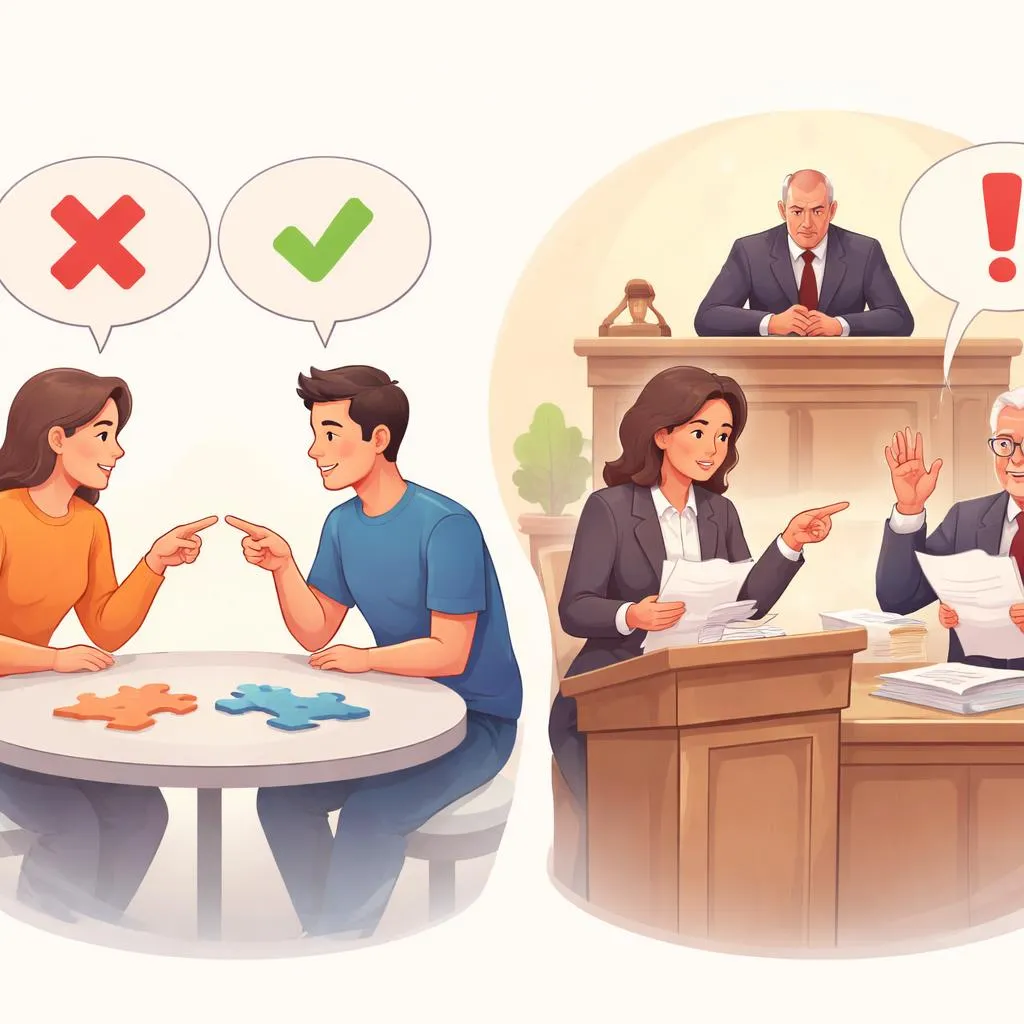
The Dinner Table vs. Courtroom Trick
Imagine two places.
At the dinner table, you disagree about broccoli. (casual)
In a courtroom, a judge dissents. (formal)
The Feeling in Your Voice Trick
When you disagree, your voice is relaxed.
“Hmm, I think differently.”
When you dissent, your voice is serious.
“I formally object to this decision.”
The Short Sentence Trick
Say this to yourself:
“Disagree at lunch. Dissent in the hunch (formal meeting).”
Lunch = disagree.
Formal meeting = dissent.
The Opinion Game
Think about your day.
If you want a different snack, you disagree.
If you object to a club rule, you dissent.
Play this game with every choice you face.
Quick Practice Time
Let us see what you learned.
Choose the correct expression.
Exercise 1 – Fill in the Blank
Choose: disagree to or dissent to
I _____________ your plan to leave the park so early.
The board member _____________ the new policy at the meeting.
We _____________ which video game is the most fun.
Two judges _____________ the final ruling.
Answers:
disagree to
dissented to
disagree to
dissented to
Exercise 2 – Multiple Choice
Which sentence describes a formal objection?
A. I disagree to watching this movie again.
B. The council member dissented to the mayor's proposal.
C. We disagree to the best flavor of gum.
Answer: B
Exercise 3 – True or False
“Dissent to” is for casual, everyday disagreements.
Answer: False
Check Your Answers
How many did you get right?
Three correct means you understand the difference.
If you missed any, play the opinion game.
Your voice matters in both small and big ways.
Wrap-up
Use “disagree to” for casual, everyday differences of opinion about preferences, ideas, or choices, and use “dissent to” for formal, official opposition to a decision, ruling, or policy in a group or court setting.
Now you know how to express your opposition whether you are at the lunch table or in a big meeting.