
What Are Famous Children's Stories? Let us explore this treasured collection of literature together. Famous children's stories are tales that have stood the test of time. They have been loved by generations of young readers. These stories appear on bookshelves in homes around the world. Parents read them to children just as their parents read to them. The stories come from many different cultures and traditions. Some are ancient folktales passed down through centuries. Others were written by authors who became literary legends. The characters in these stories have become household names. Children recognize them even before they can read. The plots are simple enough for young minds to follow. Yet they contain wisdom that speaks to all ages.
Meaning and Purpose of Famous Stories These stories serve several important purposes in childhood development. They create shared cultural experiences across generations. Grandparents, parents, and children can all discuss the same tales. The stories also introduce universal themes and values. Kindness, courage, honesty, and perseverance appear throughout. Children learn these lessons through engaging narratives, not lectures. The familiar plots build confidence in young readers. Knowing what happens next makes reading feel safe and enjoyable. The stories also develop literary awareness and appreciation. Children learn to recognize quality writing and storytelling. Famous stories become touchstones for later reading experiences. They prepare children for more complex literature ahead.
Categories of Famous Children's Stories We can organize famous stories into several helpful categories. Fairy tales come from European oral traditions. Cinderella, Snow White, and Sleeping Beauty are examples. Folktales exist in every culture around the world. Anansi stories from Africa, trickster tales from Native Americans. Fables are very short stories with clear moral lessons. Aesop's fables like The Tortoise and the Hare are famous. Picture books from the twentieth century have become classics. The Very Hungry Caterpillar, Where the Wild Things Are. Chapter books for older children have enduring popularity. Charlotte's Web, Winnie-the-Pooh, and Peter Pan. Holiday stories are read year after year at special times. The Night Before Christmas, How the Grinch Stole Christmas.
Famous Children's Stories List Let us explore some of the most beloved children's stories. The Very Hungry Caterpillar by Eric Carle teaches counting and days. Its colorful illustrations delight babies and toddlers alike. Where the Wild Things Are by Maurice Sendak explores imagination. Max's journey to where the wild things are captivates children. Goodnight Moon by Margaret Wise Brown soothes at bedtime. The gentle rhythm comforts generations of sleepy children. Charlotte's Web by E.B. White tells of friendship and love. Wilbur and Charlotte's bond touches readers of all ages. Winnie-the-Pooh by A.A. Milne follows a bear and friends. Simple adventures in the Hundred Acre Wood delight readers. Peter Pan by J.M. Barrie tells of the boy who never grows up. Flying to Neverland captures every child's imagination.
Vocabulary Learning From Famous Stories Famous stories introduce rich vocabulary in memorable contexts. Classic means judged over time to be of the highest quality. Generations means all the people born at about the same time. Timeless means not affected by the passage of time. Universal means affecting or done by all people or things. Moral means concerned with principles of right and wrong. Character means a person or animal in a story. Plot means the main events of a story arranged in sequence. Setting means where and when a story takes place. Theme means the central idea or message of a story. Author means the person who wrote the story. We can teach these words with examples from famous stories. Use them in sentences about books children know.
Phonics Points in Famous Stories Famous stories provide excellent phonics practice with rich language. The simple text of picture books helps beginning readers. "In the light of the moon a little egg lay on a leaf." Rhyming patterns in classics build phonological awareness. "Goodnight moon, goodnight cow jumping over the moon." Repetitive phrases help children join in reading. "And he was still hungry." Character names offer sound pattern practice. Cinderella has the soft C and short I and long A. Peter Pan has the long E and short A. Winnie has the short I and long E. Place names provide phonics elements. Neverland has the short E and short A. Hundred Acre Wood offers multiple patterns. We can focus on one sound pattern from each story. Find other words with that sound in the famous tale. Write them on star or crown shapes for practice.
Grammar Patterns in Famous Stories Famous stories model excellent grammar for young readers naturally. Past tense carries most classic narratives. "Once upon a time there lived a beautiful princess." Present tense appears in dialogue and timeless truths. "I do not like green eggs and ham, I do not like them, Sam-I-am." Future tense shows what will happen next. "Tomorrow we will go to the wild place." Questions drive plots and character interaction. "Who will help me spin this straw into gold?" Commands appear from characters in stories. "Let me in!" cried the wolf. Descriptive language paints memorable scenes. "The great, wide, beautiful, wonderful world" from The Velveteen Rabbit. Prepositional phrases describe locations. "In the garden, under the leaves, through the woods." We can point out these patterns during reading.
Daily Life Connections Through Famous Stories Famous stories connect to children's experiences in meaningful ways. Bedtime routines often include reading these classics. Goodnight Moon is part of millions of bedtime rituals. Feelings of anger or loneliness appear in stories. Where the Wild Things Are validates these emotions. Making mistakes and being forgiven happens in life. Many famous stories explore forgiveness and second chances. Wishing for adventure and excitement is universal. Peter Pan speaks to every child's desire for adventure. Friendship challenges occur in every child's life. Charlotte's Web shows how friends help each other. We can point out these connections during reading. "You feel angry sometimes like Max did." "Your friends help you just like Charlotte helped Wilbur."
Learning Activities for Famous Stories Many activities deepen engagement with classic tales. Compare different versions of the same famous story. Read several Cinderella variants from around the world. Act out scenes from favorite classics with simple props. Children become the characters they love. Create art projects inspired by famous illustrations. Paint like Eric Carle, draw like Maurice Sendak. Write new adventures for beloved characters. What would Winnie-the-Pooh do next? Cook foods mentioned in famous stories. Make green eggs and ham, or stone soup. Create a timeline showing when famous stories were published. See how children's literature has evolved. These activities make classics come alive for new generations.
Printable Materials for Famous Stories Printable resources support deep engagement with classic tales. Create story sequencing cards for favorite famous stories. Put events in order from beginning to end. Design character cards for beloved story people. Draw and describe each important figure. Make vocabulary cards with words from multiple classics. Use for matching and discussion games. Create a story comparison chart for different versions. List elements that stay same and change. Design a favorite story nomination form with reasons. "I love this story because..." writing prompt included. Make a famous authors timeline showing when they lived. Connect authors with their most famous works. These printables structure classic literature exploration effectively.
Educational Games About Famous Stories Games make classic story learning playful and interactive. Play "Story Charades" acting out famous tales without words. Others guess which classic is being portrayed. Create "Match the Author" pairing writers with their books. Match E.B. White with Charlotte's Web, A.A. Milne with Pooh. Play "Story Bingo" with famous story elements on cards. Characters, settings, and objects from multiple classics. Design "Who Said It?" reading famous quotes from stories. "I do not like green eggs and ham" matches Dr. Seuss. Play "Story Scramble" arranging events from classics in order. Put Cinderella events in correct sequence. Create "Genre Sort" grouping stories by type. Fairy tales, picture books, chapter books categories. These games build classic story knowledge through active participation.
Why These Stories Endure Famous stories have survived for good reasons worth noting. They speak to universal human experiences children share. Fear, hope, love, and belonging appear in all cultures. The characters face problems children recognize from life. The language is beautiful but accessible to young readers. Illustrations enhance and extend the text meaningfully. The stories respect children's intelligence and emotions. They do not talk down to young readers ever. The themes remain relevant across changing times. Kindness matters as much today as centuries ago. Each generation rediscovers these stories and loves them anew. They become friends children return to throughout life.
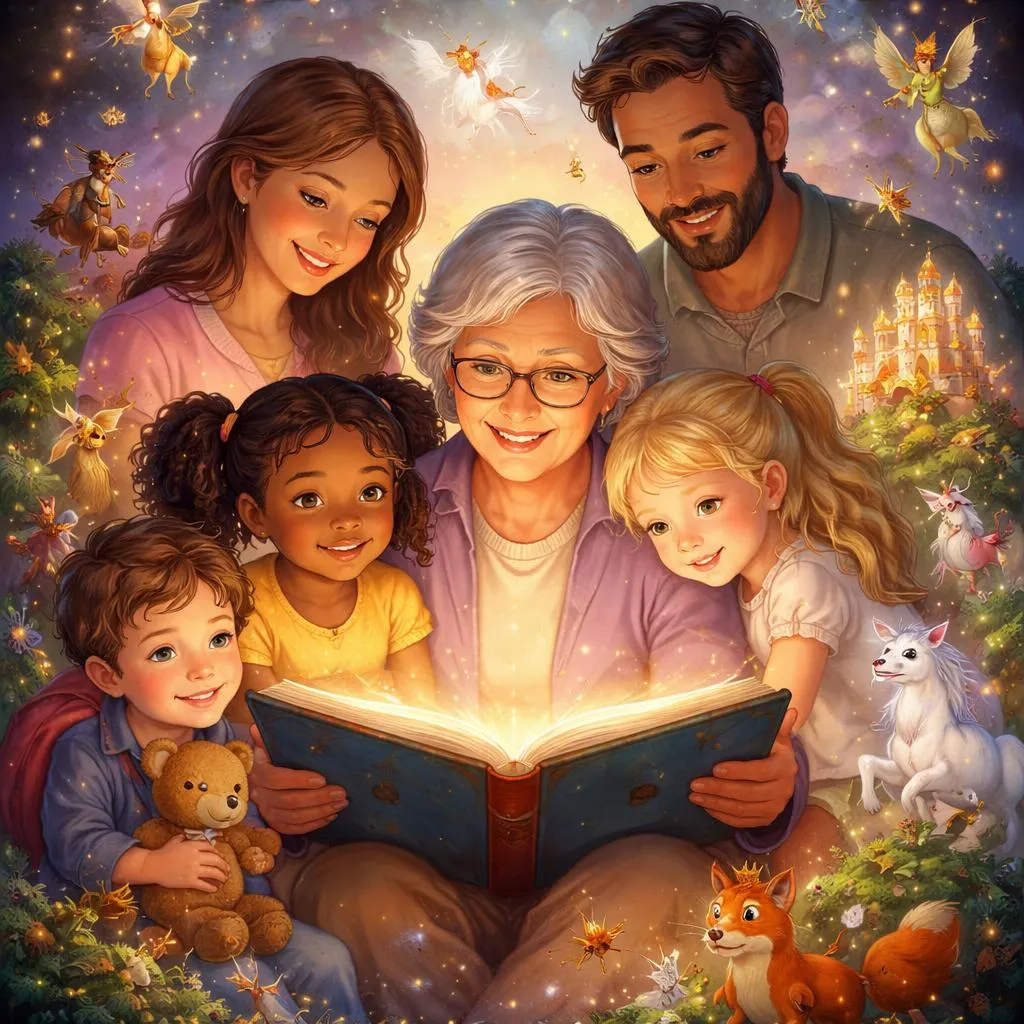
Passing Stories to New Generations The tradition of sharing famous stories connects generations. Grandparents read the same books to grandchildren they read to parents. This creates family bonds through shared literary experiences. The stories carry family memories along with their plots. A worn copy of a favorite book holds special meaning. The scent of old pages and handwritten notes add history. Reading together becomes a ritual of love and connection. Children learn that they belong to a larger story. They join a community of readers stretching back generations. The stories themselves become part of family identity. Passing them on is a gift of love and heritage.