
What Is This Plant?
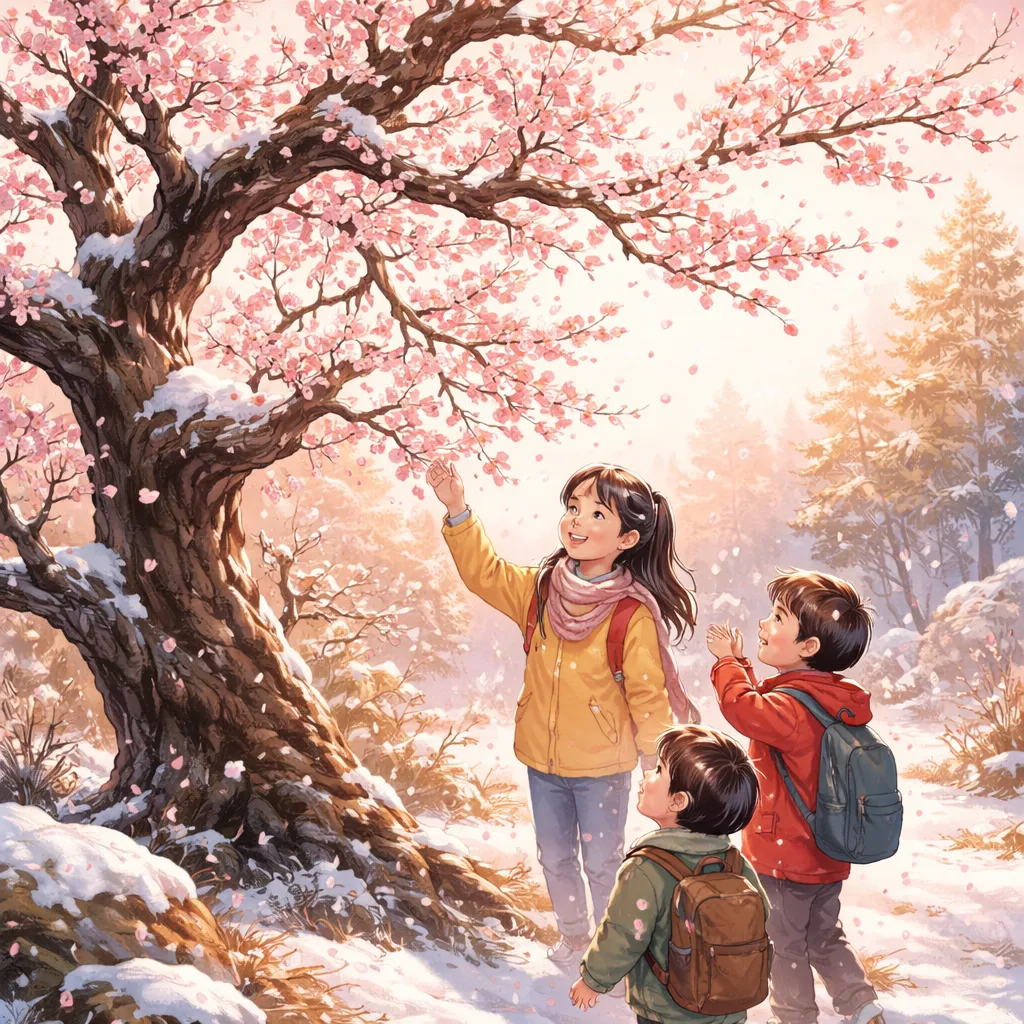
The plum blossom plant is a flowering tree that blooms when winter has not yet ended. It is one of the first trees to flower each year. Before the leaves appear, the bare branches become covered in delicate blossoms. The flowers are small and round. They have five petals. They come in soft pink, white, and deep red. The petals look like they are made of silk. A light, sweet scent fills the air around the tree. After the flowers fade, green leaves appear. Later in summer, small fruits called plums grow on the tree. For children, plum blossoms are a sign that spring is coming. When they see the flowers, they know warmer days are near. Parents can take children to see plum blossoms in late winter. The sight of flowers on bare branches teaches children about hope and resilience.
English Learning About This Plant
The English name “plum blossom” combines two words. Plum refers to the fruit the tree produces. Blossom means a flower, especially on a fruit tree. The pronunciation is “plum blos-om.” The International Phonetic Alphabet (IPA) is /plʌm ˈblɒsəm/. The words have two syllables together. Children can say it: plum blos-om. When we learn about plum blossom plant, we learn words for its parts. The trunk is the main stem of the tree. The branch is the woody part that holds the flowers. The bark is the rough outer covering. The flower is the small, five-petaled blossom. The bud is the tight, round part that opens into a flower. These words help children describe this early spring tree.
There is a famous Chinese poem about plum blossoms. The poet Wang Anshi wrote, “Plum blossoms in the corner of the wall, bloom alone in the cold.” This means the plum blossom is brave. It blooms when other plants are still sleeping. Another saying goes, “The plum blossom is the friend of winter.” This means the flower brings company and beauty to the cold season. Parents can share these words with their child. They become gentle lessons about courage and being yourself even when things are hard.
Plant Facts and Scientific Knowledge
The plum blossom plant belongs to the genus Prunus. This is the same family that includes cherries, peaches, and almonds. The scientific name for the flowering plum is often Prunus mume. It is native to China and has been cultivated for thousands of years.
Plum blossoms have five petals. This is different from cherry blossoms, which often have a small split at the tip of each petal. Plum petals are round and smooth. The flowers grow singly or in pairs along the branch. They bloom in late winter, sometimes while snow is still on the ground.
The flowers appear before the leaves. This is an adaptation. By blooming early, the tree attracts the first insects of spring. After pollination, the flowers fall. Leaves grow, and the tree produces fruit. Plum fruits are small and can be eaten fresh or dried. They are also used to make plum wine and sauces.
Plum blossoms have deep cultural significance. They are one of the Four Gentlemen in Chinese art. The Four Gentlemen are the plum blossom, orchid, bamboo, and chrysanthemum. Each represents a virtue. Plum blossoms represent resilience and perseverance. They bloom in the cold, showing strength.
Plum blossoms are also the national flower of the Republic of China (Taiwan). They appear in art, poetry, and festivals. In Japan, plum blossoms are celebrated before cherry blossoms. They mark the transition from winter to spring.
How to Grow and Care for This Plant
Growing a plum blossom plant is a long-term family project. Choose a sunny spot. Plum trees need at least six hours of direct sunlight each day. The soil should be well-drained. Plum trees do not like wet roots.
Plant a young plum tree in spring or fall. Dig a hole twice as wide as the root ball. Place the tree in the hole. The graft union, which looks like a bump near the base, should be above the soil. Fill with soil. Water well. Children can help by holding the tree straight while you fill the hole.
Water the young tree regularly. Deep watering once a week helps the roots grow strong. In dry weather, water more often. Mulch around the base keeps the soil moist and prevents weeds.
Prune plum trees in late winter before the buds open. Remove dead, diseased, or crossing branches. This lets light reach the flowers. Children can help by collecting the pruned branches.
Plum trees need little fertilizer. A light feeding in spring is enough. Too much fertilizer creates leaves but fewer flowers. Protect the tree from pests. Birds may eat the buds. In cold areas, choose a variety suited to your climate.
Benefits of Growing This Plant
Growing a plum blossom plant brings many gifts to a family. First, it provides beauty at a time when gardens are bare. The flowers lift the spirits after winter. Second, plum blossoms attract early pollinators. Bees come out on warm winter days to visit the flowers. Children can watch these first signs of spring activity.
The tree also provides food. In summer, the plums ripen. Children can help harvest them. Plums can be eaten fresh, made into jam, or dried as prunes. This connects gardening to cooking and nutrition.
The tree offers beauty in every season. In spring, the flowers bloom. In summer, the leaves are green and the fruit ripens. In autumn, the leaves turn yellow and red. In winter, the bare branches have a quiet beauty. Families can watch the tree change throughout the year.
Plum blossoms also connect families to cultural traditions. Parents can share stories about plum blossom festivals and the meaning of the flower. The tree becomes a way to learn about art, poetry, and history.
What Can We Learn From This Plant
A plum blossom plant teaches children about resilience. The tree blooms in the cold. It does not wait for perfect weather. Children learn that they can do hard things even when conditions are not perfect. They can bloom in their own winter.
Plum blossoms also teach about being first. The tree blooms when other plants are still asleep. It is brave to be first. Children learn that they do not always have to follow others. They can lead and try new things.
Another lesson is about hidden strength. The flowers appear on bare branches. There are no leaves to hide them. Children learn that strength does not need to be hidden. They can show their gifts openly.
Plum blossoms also teach about hope. The flowers promise that spring is coming. Even when it is still cold, the tree knows warm weather will return. Children learn to hold onto hope. Difficult seasons do not last forever.
Fun Learning Activities
There are many simple activities to help children learn about plum blossom plant. One activity is a winter walk. On a cold day, go outside and look for plum blossoms. If you have a tree, visit it. If not, look at pictures. Talk about how brave the flower is to bloom in the cold.
Another activity is a bud watch. In late winter, check the plum tree each day. Look for the first buds. They start as tiny, tight dots on the branches. Draw them in a journal. Watch as they swell and open. Count the days from first bud to first flower.
A nature journal works well for plum blossoms. Draw the bare branches with flowers. Draw the five petals on each flower. Label the parts: trunk, branch, flower, bud. Write the date when the first flower opens. Note how long the flowers last.
For art, try painting plum blossoms. Use pink, white, and red paint. Paint the dark branches first. Then use a small brush or cotton swab to add the five-petaled flowers. Add small buds along the branches. This creates a traditional style of painting.
Vocabulary games are fun too. Write the words plum blossom, trunk, branch, flower, bud, and winter on cards. Say each word. Ask your child to point to the part on the tree or picture. Practice saying plum blossom together. Clap the syllables: plum blos-som.
Finally, try a storytelling activity. Ask your child to imagine being a plum blossom. What does it feel like to bloom when it is still cold? What does it see? Let them tell the story of the flower that blooms in winter. This builds imagination and empathy.
Through these activities, children build a deep connection with a tree that brings beauty to the coldest season. They learn new words, observe nature, and discover the power of resilience. The plum blossom plant becomes a symbol of courage and hope. Each time they see plum blossoms, they remember that they can be strong even when things are hard. They remember that spring always follows winter. This elegant tree opens a world of cultural wisdom, seasonal wonder, and gentle lessons about finding strength within.