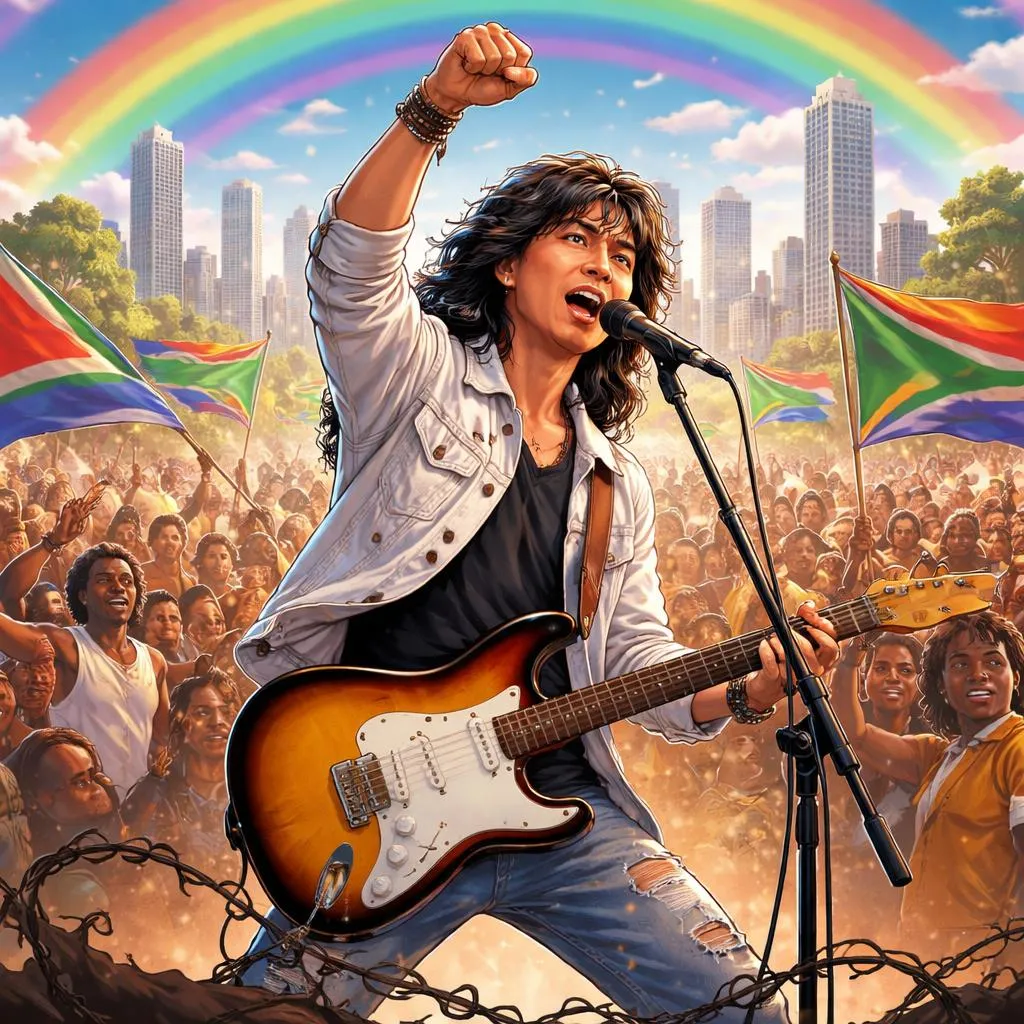

Who Is This Celebrity?
Wong Ka Kui was the lead singer and guitarist of the legendary Hong Kong band Beyond. He lived from 1962 to 1993. He is considered one of the greatest rock musicians in Chinese music history. He wrote songs about freedom, peace, and social justice. His most famous song, "Glorious Years," was written for Nelson Mandela. He died tragically at age 31 in a stage accident. His music still inspires millions. His story shows that rock and roll can change the world.
Early Life and Childhood
Wong Ka Kui was born in 1962 in Hong Kong. His family lived in a public housing estate. They were very poor. His father was a factory worker. His mother was a housewife. Young Wong loved music from a very young age. He heard rock music on the radio. He fell in love with the guitar. He could not afford a real guitar. He bought a cheap used one. He taught himself to play. He practiced until his fingers bled. He also loved watching rock concerts on television.
Education and Learning Journey
Wong Ka Kui attended public school in Hong Kong. He was not a good student. He preferred music to studying. He dropped out of school as a teenager. He worked odd jobs to support his family. He sold insurance. He worked in a factory. He also worked as a social worker. He hated all these jobs. He wanted only to play music. He practiced guitar for hours every day after work. He also taught himself to sing. He formed his first band in 1983.
How Did They Become Successful?
Wong Ka Kui became successful through persistence. His band Beyond played small clubs for years. They earned almost no money. They slept on floors and ate cheap noodles. Most people did not understand their music. They played rock, not pop. Rock was not popular in Hong Kong in the 1980s. Wong did not change his style. He kept writing songs about real issues. In 1988, Beyond released the album "Secret Police." The title song criticized the government. It became a hit. Beyond became famous.
Big Ideas and Achievements
Wong Ka Kui's biggest achievement was his song "Glorious Years." He wrote it in 1990 after reading about Nelson Mandela. Mandela was still in prison at the time. The song celebrates freedom and racial equality. Wong never met Mandela. He was inspired by his courage. The song became an anthem for the anti-apartheid movement. After Mandela was freed, he listened to the song. He was moved to tears. Beyond also wrote songs about the plight of Chinese migrant workers and the handover of Hong Kong. Wong believed rock music should have a message.
Challenges and Difficult Times
Wong Ka Kui faced the challenge of being misunderstood. Hong Kong audiences wanted love songs and dance music. He wrote political rock songs. Radio stations refused to play his music. Concert promoters refused to book him. He kept playing. He also faced the challenge of censorship. His songs criticized the government. He had to change lyrics to avoid being banned. He also faced the challenge of supporting his bandmates. They struggled financially for years. He gave them money from his own pocket.
Fun Facts About the Celebrity
Wong Ka Kui loved eating Hong Kong-style macaroni soup. He had a favorite cha chaan teng. He also enjoyed drinking milk tea. He never drank alcohol before performing. He said it made him play badly. He kept a small collection of guitars. He owned over 40. He also loved reading philosophy books. He was especially interested in existentialism. He never wore shoes on stage. He said he felt more connected to the music. He kept a pet dog that would howl along when he played guitar.
Why Is This Celebrity Important Today?
Wong Ka Kui is remembered as a voice for freedom in China. His songs are still played at protests and rallies. Young people discover his music every year. Beyond still performs, but without Wong. His death in 1993 was a national tragedy. He fell from a stage in Japan during a variety show. He hit his head and never regained consciousness. He was 31. Thousands attended his funeral. His grave is a pilgrimage site for fans. His song "Glorious Years" was played at Nelson Mandela's memorial service in 2013.
What Can Kids Learn from This Story?
You can learn that music can be a weapon for justice. Wong used his songs to fight apartheid. You can also learn to persist when no one understands you. He played rock for years before becoming famous. You can learn to write about what matters. He did not write love songs. He wrote about freedom. You can learn that life is fragile. He died at 31. You can also learn that you do not need money to make art. He practiced on a cheap guitar.
Quick Quiz or Practice Time
Let's see what you remember about Wong Ka Kui.
Question 1: What was the name of Wong Ka Kui's band?
Answer: Beyond.
Question 2: What famous political leader inspired Wong's song "Glorious Years"?
Answer: Nelson Mandela.
Question 3: What food did Wong Ka Kui love eating?
Answer: Hong Kong-style macaroni soup.
Question 4: How many guitars did Wong Ka Kui own?
Answer: Over 40.
Question 5: How did Wong Ka Kui die?
Answer: He fell from a stage in Japan and hit his head.
Activity: Listen to the song "Glorious Years" by Beyond. Even if you do not understand the words, feel the music. Notice how it makes you feel. Write down three words to describe the emotion. This is the power of music to cross language barriers. Draw a picture of Wong Ka Kui playing guitar on stage.
Wong Ka Kui could have written love songs. They are easier to sell. They are easier to sing. They do not get you banned from radio. He could have been rich and famous. Instead, he wrote about Nelson Mandela, a man he had never met, in a country he had never visited. He wrote about the handover of Hong Kong. He wrote about migrant workers. He wrote about freedom. He was 31 when he died. He did not live to see Mandela freed. He did not live to see Hong Kong handed over. He did not see his songs become anthems. But his music lived. His music crossed borders. His music spoke to people who did not speak his language. His music outlived him. His story teaches us that art is not about money. It is not about fame. It is about truth. It is about speaking for those who cannot speak. It is about planting seeds that may not bloom until after you are gone. Wong Ka Kui planted seeds in Hong Kong. They grew in South Africa. They grew in China. They grew wherever people fight for freedom. Now it is your turn. You may not have a guitar. You have your own voice. Use it to speak the truth. Use it to fight for justice. That is the way of Wong Ka Kui. That is your way too. Now go make some noise for something that matters.