
What Is This Animal?
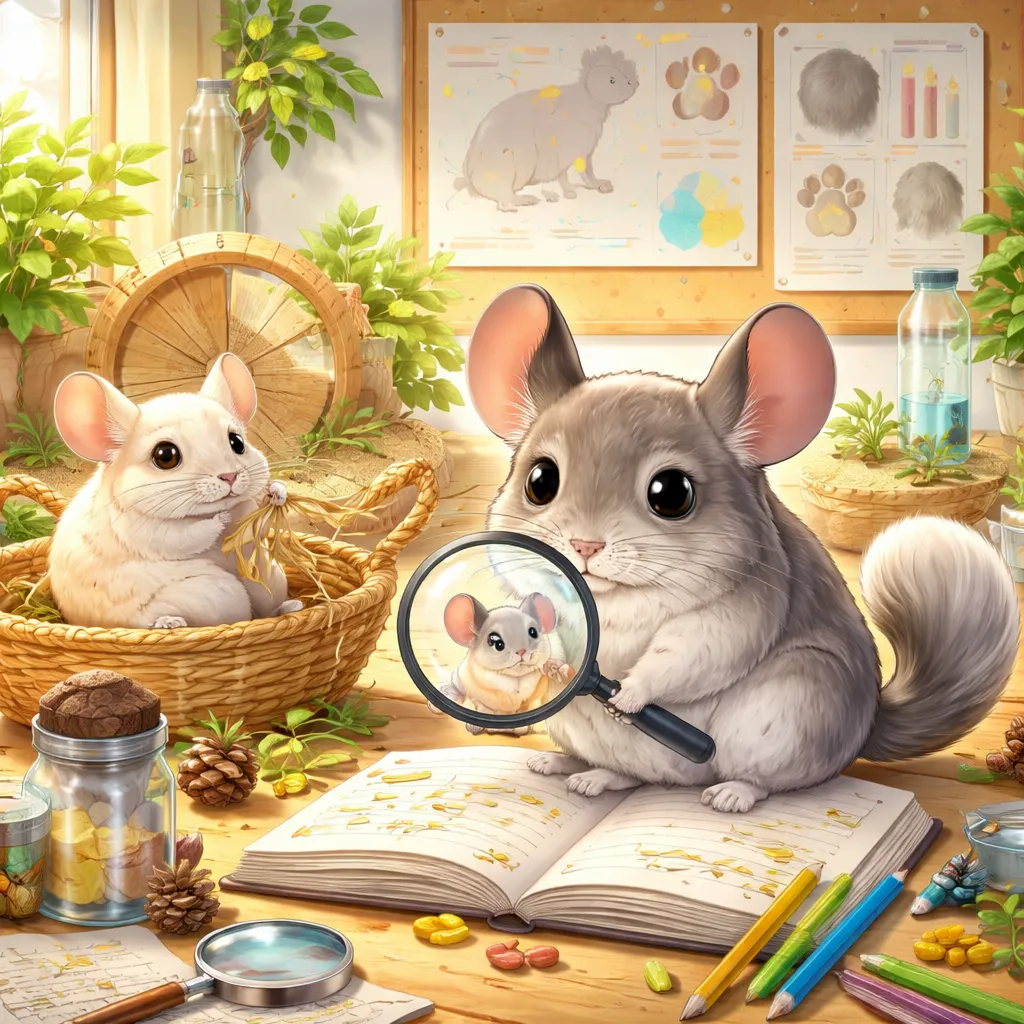
A chinchilla is a small rodent with incredibly soft, dense fur. Its fur is the softest of any land animal. Chinchillas have round bodies, large ears, and long, bushy tails. They are active and curious. They jump and climb with great agility.
Chinchillas come from the Andes Mountains in South America. They live in rocky, mountainous areas. They are adapted to high altitudes and cool temperatures. Their thick fur keeps them warm in cold mountain air. They cannot get wet. Their fur is so dense that water can cause it to mold.
These animals are social. They live in colonies in the wild. They are most active at dawn and dusk. They sleep during the day. They are known for taking dust baths. They roll in volcanic ash to clean their fur.
For children, chinchillas are fascinating. Their soft fur and playful jumps make them delightful. Learning about chinchillas teaches children about unique animals, proper pet care, and the importance of understanding an animal’s natural habitat.
English Learning About This Animal
Let us learn the English word chinchilla. We say it like this: /tʃɪnˈtʃɪlə/. The chin sounds like “chin.” The chill sounds like “chill.” The a sounds like “uh.” Put them together: chinchilla. Say it three times. Chinchilla. Chinchilla. Chinchilla.
Now let us learn words about a chinchilla’s body. The fur is the softest in the world. The ears are large and rounded. The tail is long and bushy. The whiskers are long for sensing. The kits are baby chinchillas.
There is a lovely saying about chinchillas. People say, “The chinchilla’s fur is softer than a cloud.” This describes their incredible softness. Another saying is, “A chinchilla in dust is a happy chinchilla.” This reflects their love of dust baths.
These English words help children understand chinchilla anatomy. When they say fur, they learn about the dense coat. When they say kits, they know the babies. Parents can practice these words while looking at pictures. Point to the parts. Say the words together.
Animal Facts and Science Knowledge
Chinchillas belong to the rodent family Chinchillidae. There are two species. The long-tailed chinchilla is the most common pet. The short-tailed chinchilla is rare. Wild chinchillas are endangered. They were hunted for their fur. Today, they are protected. Most chinchillas are bred in captivity.
Wild chinchillas live in the Andes Mountains. They live at elevations up to 15,000 feet. They live in rocky crevices and burrows. They are adapted to cold, dry climates. They cannot tolerate heat or humidity. They need cool temperatures.
Chinchillas are herbivores. They eat grasses, leaves, and seeds. Pet chinchillas eat specially made pellets and hay. They need a constant supply of hay. Their teeth grow all their lives. Chewing hay keeps their teeth healthy.
Chinchillas have special abilities. Their fur has 60 to 80 hairs growing from each follicle. Humans have one hair per follicle. This makes their fur incredibly dense. They take dust baths to clean their fur. Water would mat their fur and cause skin problems.
Chinchillas are social animals. They live in colonies in the wild. They communicate with sounds. They make barking sounds when scared. They purr when content. They are active and playful. They love to jump and climb.
How to Interact With This Animal Safely
Chinchillas are wonderful pets for families who understand their needs. They need special care. They need a large cage with multiple levels. They need a dust bath several times a week. They need cool temperatures. They cannot live in hot or humid homes.
Teach children to handle chinchillas gently. Chinchillas are delicate. Their bones are light. Support their body when holding them. Let them jump on a safe surface. Never squeeze them. Chinchillas may not enjoy being held for long. They prefer to explore.
Chinchillas are most active in the evening. This is the best time to interact with them. They need time outside their cage to exercise. Provide a safe, chinchilla-proofed room. Cover wires. Remove dangerous items. Supervise them at all times.
Never get a chinchilla wet. Their fur does not dry easily. Wet fur can lead to fungus and skin problems. They clean themselves with dust baths. Provide special chinchilla dust in a container. They will roll and flip in it happily.
Clean the cage regularly. Chinchillas are clean animals. They need fresh food and water daily. Involve children in daily care. Teach them responsibility. Chinchillas can live 10 to 20 years with proper care.
What Can We Learn From This Animal
Chinchillas teach us about uniqueness. Their fur is unlike any other animal. Children learn that being unique is special. Each person has something that makes them different and wonderful.
Chinchillas teach us about adaptation. They live in high, cold mountains. Their bodies are perfect for that place. Children learn that adapting to our environment helps us. Learning what works for us and where we thrive is important.
Chinchillas teach us about cleanliness. They use dust to stay clean. Children learn that keeping clean is important. Bathing, brushing, and caring for ourselves keep us healthy.
Chinchillas teach us about responsibility. They have special needs. They depend on us for care. Children learn that some pets need extra care. Learning about an animal’s needs before getting one shows responsibility.
Fun Learning Activities
Let us make learning about chinchilla fun. One activity is the chinchilla jump game. Ask your child to jump like a chinchilla. Leap from spot to spot. Balance on rocks or pillows. Take a pretend dust bath by rolling in a soft blanket. Say “chinchilla jumps” and “chinchilla takes a dust bath.”
Another activity is drawing a chinchilla. Look at pictures of chinchillas. Notice the round body, large ears, and long tail. Draw a chinchilla taking a dust bath or jumping on rocks. Label the parts. Say the words aloud.
Create a story about a chinchilla family. Ask your child what the chinchillas do. Do they take dust baths? Do they jump on rocks? Do they eat hay? Write a few sentences together. Let your child draw pictures. Read the story aloud.
Make a chinchilla craft. Use gray or blue-gray paper for the fur. Add a round body and large ears. Add a long, bushy tail. Add whiskers from yarn. Move the craft chinchilla. Practice saying “chinchilla jumps” and “chinchilla rolls in dust.”
Learn about animal adaptations. Talk about why chinchillas have such dense fur. Compare to other animals that live in cold climates. Use words like “adaptation,” “dense,” and “insulation.”
Learn about proper pet care. If you are considering a chinchilla, research together. Make a list of supplies needed. Talk about daily care. Use words like “responsibility,” “dust bath,” and “temperature.”
These simple activities bring learning to life. Children build English vocabulary while playing. They learn science through understanding animal adaptations. They develop responsibility through learning about specialized pet care. Learning about chinchilla becomes a journey into the high mountains of South America. Each moment spent together strengthens language, curiosity, and a growing appreciation for the softest creatures on Earth, teaching us that uniqueness, adaptation, and special care make all the difference.