
A Friendly Hello and First Impressions
Bala?! (bah-LAH-oh). This is a warm "Hello" in Sango. Merci! (mehr-SEE). This is "Thank you" in French. People use both every day. Sango is the national language. French is the language of government. Learning reading about the Central African Republic starts with these two friendly words.
The Central African Republic is a landlocked country. It sits in the very center of Africa. Its shape looks like a rough, wide oval. The oval is tilted to the side. The country is in the heart of the continent. It is surrounded by six neighbors. Cameroon, Chad, and the Democratic Republic of Congo are three. The land is a vast, green plateau.
People call it the "Heart of Africa". This is because of its location. It is the geographic center of the continent. Another nickname is the "Land of the Ubangi". The Ubangi River is a major waterway. It flows along the southern border. What rhythms beat in this green heart?
Deep Dive into Culture and Stories
Echoes of History
The first people of this land are the Aka. They are sometimes called Pygmies. They have lived in the rainforest for thousands of years. They are the guardians of the forest. They know its secrets. They live in small, mobile communities. Their knowledge of plants and animals is deep. Their way of life is ancient. This history is a key part of learning reading about the Central African Republic.
Later, powerful sultanates ruled in the north. The Sultanate of Dar al-Kuti was one. They controlled trade routes. Then European explorers arrived. The French made it a colony. It was called Ubangi-Shari. The country became independent in 1960. Its first president was David Dacko. The modern nation is young.
A Gift of Music to the World
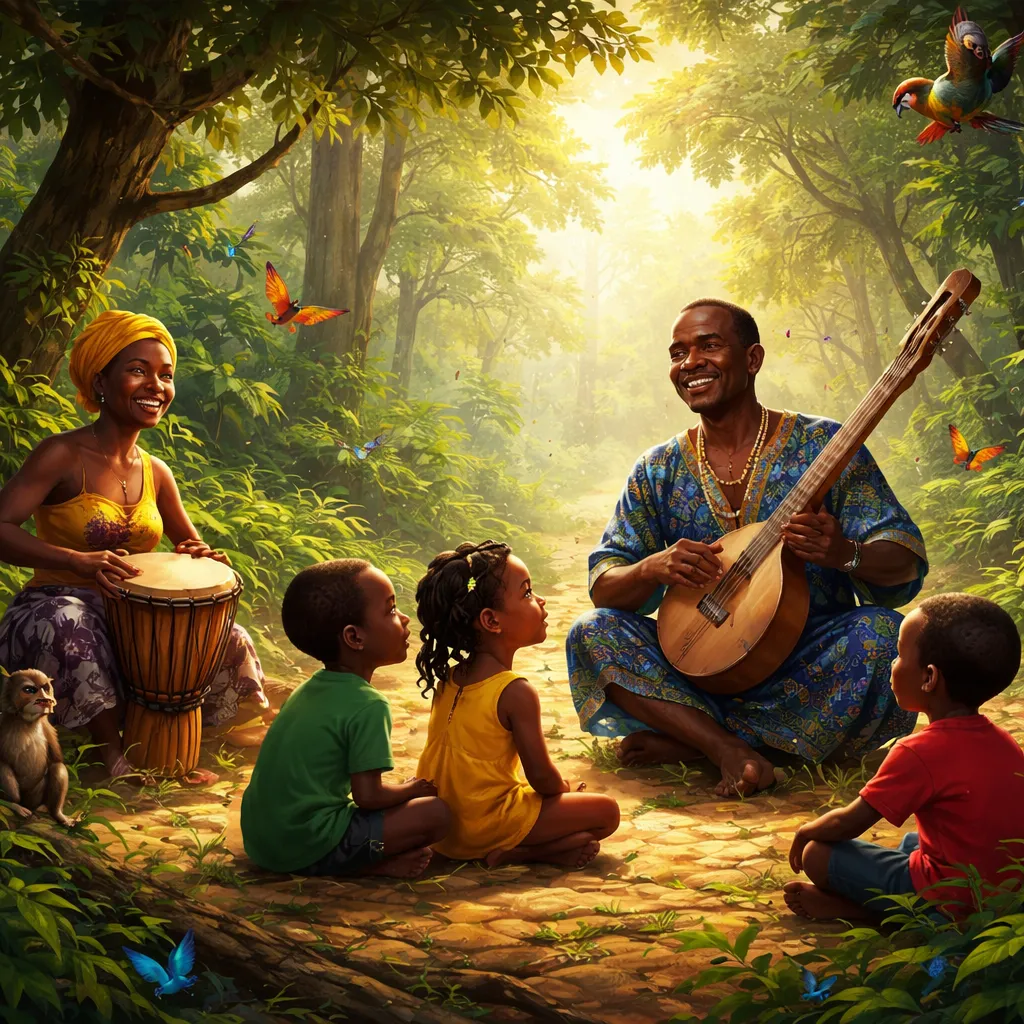
The Central African Republic gives the world a special music. The Aka people have a unique singing style. It is called polyphonic music. This means many voices sing different notes. The voices weave together beautifully. It sounds like the forest itself is singing. This music is a UNESCO masterpiece. It is a gift of harmony and tradition.
A Land of Savanna and Rainforest
The country is mostly a flat plateau. The north is dry savanna. Grasslands and scattered trees are there. The south is tropical rainforest. It is part of the Congo Basin rainforest. The land is drained by two big rivers. The Ubangi River is in the south. The Chari River is in the north.
The climate is tropical. It is hot and humid. There is a dry season and a rainy season. The north is drier. The south gets more rain. The environment shapes life. In the savanna, people herd cattle. They grow millet and cotton. In the forest, people hunt and gather. They grow cassava and bananas. Houses are often made of mud bricks with thatched roofs.
A special animal is the western lowland gorilla. It lives in the southern rainforest. It is strong, shy, and intelligent. The national animal is the elephant. It represents strength and wisdom. The giant baobab tree is iconic. It stores water in its huge trunk. The national flower is the King Protea. It is large and striking.
Landmarks of Water and Stone
Visit the Boali Waterfalls. They are on the Mbali River. The falls are about 50 meters high. They are most powerful in the rainy season. The mist creates rainbows. The sound is a constant roar. A local legend says a spirit lives in the falls. The spirit protects the river. If people respect the river, the spirit provides fish.
See the Notre-Dame of Bangui Cathedral. It is in the capital city. It is the largest church in the country. It was built in the 1900s. The cathedral has two tall towers. It is a place of peace in the busy city. The stained-glass windows are beautiful. The cathedral is a symbol of faith for many.
Another wonder is the Dzanga-Sangha Special Reserve. It is in the southwest. It is a protected area of rainforest. It is part of a UNESCO World Heritage site. You can see forest elephants, gorillas, and buffalo. The forest is dense and green. The air is full of animal sounds. It is a wild, natural treasure.
Festivals of Dance and Independence
The most important national day is Independence Day. It is on December 1st. It marks freedom from France in 1960. There is a big parade in Bangui. The military and school bands march. People wear their best clothes. Later, there are cultural shows with dancing. The national flag is everywhere. The colors are blue, white, green, and yellow. A yellow star is in the top left corner. The day is full of national pride.
A unique cultural event is the Bangui Carnival. It happens sometimes, not every year. When it does, the city comes alive. People wear masks and costumes. They dance in the streets. The music is loud and joyful. The carnival is a celebration of life and resilience.
Food and Flavors
The national dish is "Gozo" and "Muamba". Gozo is a thick porridge. It is made from cassava flour. It is white and sticky. Muamba is a rich sauce. It is made with palm nuts, chicken, or fish. It is served with the gozo. People eat it with their hands. The meal is filling and nutritious. It tastes like the staple of daily life.
You must try "Koko". It is a sauce made from wild leaves. The leaves are called "sorrel". The sauce is green and slimy. It is cooked with fish or meat. It is served with cassava or rice. The taste is unique, earthy, and a little sour. It is a traditional favorite.
A Culture of Stories and Conservation
Storytelling is a cherished tradition. Elders tell tales under the moon. Many stories feature animals. The trickster hare is a favorite. The stories teach lessons about life. They pass wisdom to the next generation. This oral tradition is a beautiful part of learning reading about the Central African Republic.
The country is working to protect its wildlife. The Dzanga-Sangha reserve is a model. Local communities help with conservation. They work as guides and trackers. This helps protect elephants and gorillas. It also provides jobs. This shows how people and nature can work together.
Tips for Young Explorers
Cultural Manners Matter
Greetings are very important. Always greet people when you meet them. Shake hands with your right hand. A common greeting is "Bala?, mo yeke nzoni?" (Hello, how are you?). You should ask about the person's health and family. This shows you care. Do not rush the greeting.
Elders are highly respected. Always greet the oldest person first. Listen when they speak. Do not interrupt. Stand up when an elder enters the room. Offer them your seat. This is good manners.
When eating, use your right hand. The left hand is considered unclean. Wash your hands before and after the meal. If food is shared from a common bowl, take only from the part in front of you. Always try a bit of everything. Compliment the cook.
A Note on Staying Safe
The Central African Republic has faced conflict. It can be unstable. Safety is a serious concern. Many governments advise against travel. It is very important to listen to official travel advice. If you were to go, you would need a trusted guide.
In cities, be careful at night. Do not walk alone. Keep your belongings close. Do not show expensive items. Be aware of your surroundings. Always travel with a trusted adult.
A Tasty Stop
Look for "Makara" on the street. It is a fried bread. It is made from wheat flour. It is shaped like a doughnut. It is golden and fluffy. People eat it for breakfast with coffee. It is cheap and filling. Eat it hot. The bread is soft, warm, and delicious.
Healthy and Happy Travels
Drink only bottled or boiled water. This is the most important rule. Do not drink tap water. Avoid ice in drinks. Brush your teeth with bottled water. This keeps your stomach happy.
Malaria is a big risk. Take anti-malaria medicine if your doctor says. Use insect repellent. Wear long sleeves in the evening. Sleep under a mosquito net. This protects you from mosquito bites.
The sun is very strong. Wear a hat and use sunscreen. The heat can be tiring. Drink lots of water to stay hydrated. Wear light, cotton clothing.
Your Invitation to Explore
Start your journey with sound. Listen to Aka polyphonic music online. Hear the complex, beautiful voices. Try to sing two different notes with a friend. Or, look at pictures of forest elephants. See their large ears and long tusks. This is a wonderful way of learning reading about the Central African Republic.
Visit a natural history museum. Look for animals from the African rainforest. See a model of a gorilla or an elephant. Imagine the dense green forest. You can also draw a giant baobab tree. Make it big and strong, with roots deep in the earth.
The world is a big, ancient book. Each country is a different chapter. The Central African Republic's chapter is about forest secrets, river rhythms, and resilience. Open it with respect. Read about its music, rivers, and brave people. Your curiosity is your guide.
Families in Bangui share a meal of gozo. Children listen to stories from their grandparents. Friends make music together in the village. We all know these feelings. We love sharing meals. We enjoy stories and songs. We cherish time with family. Learning about the Central African Republic shows us this. Our global family is connected by shared human experiences. Keep exploring, one page, one country, at a time. Your adventure has just begun.