
A Friendly Hello and First Impressions
Bonjour! (bohn-ZHOOR). This is the official "Hello" in French. Merci! (mehr-SEE). This is a sincere "Thank you". People speak many local languages too. Learning reading about Guinea starts with these polite, welcoming words.
Guinea is in West Africa. Its shape looks like a crescent moon. The crescent moon curves around the countries of Sierra Leone and Liberia. The country is in Africa. The Atlantic Ocean is to the west. Guinea-Bissau, Senegal, and Mali are its neighbors. The land is a mix of coast, mountains, and savanna. It is rich in natural beauty and minerals.
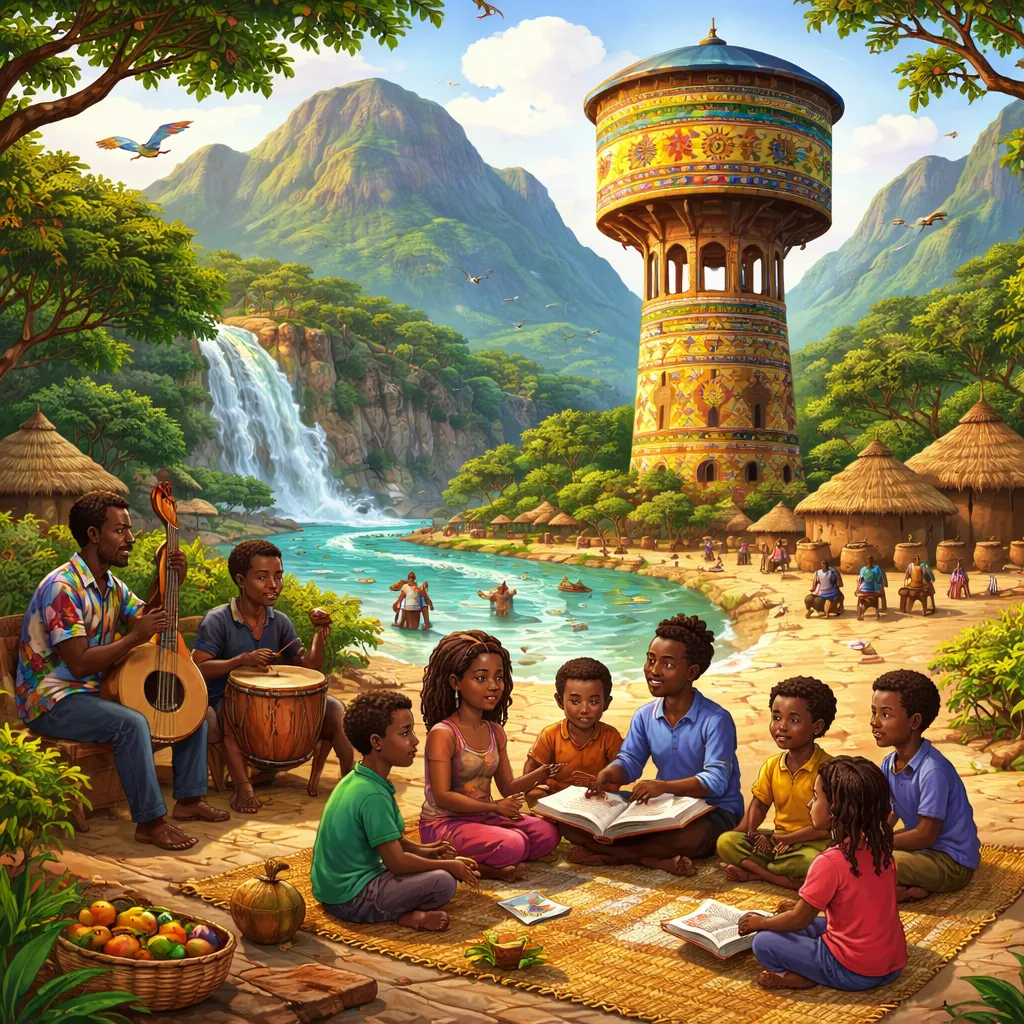
People call it the "Water Tower of West Africa". Why? Many great rivers begin in Guinea's highlands. The Niger, Senegal, and Gambia rivers start here. Another nickname is the "Land of the Djembe". The djembe drum is a symbol of Guinean culture. Are you ready to hear the rhythm of the rivers?
Deep Dive into Culture and Stories
Echoes of History
A powerful emperor once ruled this region. He was Mansa Musa. He ruled the Mali Empire in the 1300s. His empire included part of Guinea. He was incredibly wealthy. He was also a devout Muslim. His famous pilgrimage to Mecca spread knowledge of West Africa. His story is a key part of learning reading about Guinea. It is a story of ancient African glory.
A modern founding father is Ahmed S谷kou Tour谷. He was the first president. He led Guinea to independence in 1958. He said "no" to joining France. He chose immediate independence. This made Guinea the first French colony to break away. His story is about pride and bold choice.
A World of Rhythm and Minerals
Guinea gives the world two important things. The first is rhythm. The djembe drum and its music come from this region. Guinean drumming and dance are famous worldwide. The second is bauxite. Bauxite is used to make aluminum. Guinea has the world's largest reserves. This mineral is in many things we use. These gifts show Guinea's cultural and natural wealth.
A Land of Highlands and Rivers
Guinea's geography has four zones. The coastal plain is flat and humid. The Fouta Djallon is a highland plateau. It is the "water tower". The north-east is dry savanna. The south-east is dense rainforest. The landscape changes from green hills to dry plains.
The climate is tropical. It is hot and humid. The rainy season is from June to November. The environment shapes life. People grow rice, cassava, and peanuts. They also grow coffee and fruit. In the highlands, the Fulani people herd cattle. Houses in villages are often made of mud brick with thatched roofs. The main export is bauxite. Gold and diamonds are also mined.
A special animal is the West African chimpanzee. It lives in the forests. It is very intelligent. The national animal is the elephant. It is strong and wise. The national bird is the partridge. The national tree is the mango tree. It provides delicious fruit.
Landmarks of Stone and Sound
Visit the Fouta Djallon highlands. This is a region of stunning cliffs and waterfalls. The "Dams of the Fouta" are beautiful. The water falls from great heights. The air is cool and fresh. A local legend says a giant created the waterfalls. The giant was digging for water. The highlands are a hiker's paradise.
See the Grand Mosque of Conakry. It is in the capital city. It is one of the largest mosques in Africa. It was built in 1982. It has four tall minarets. The building is grand and peaceful. A fun story says the mosque can hold 25,000 people. It is a center of faith for the city.
Another wonder is Mount Nimba. It is a UNESCO World Heritage site. It is on the border with C?te d'Ivoire. The mountain has unique plants and animals. The mountain is made of iron ore. It looks like a giant green dome. It is a strict nature reserve.
Festivals of Faith and Freedom
The biggest national holiday is Independence Day. It is on October 2nd. It marks freedom from France in 1958. There is a large parade in Conakry. The military and cultural groups march. Traditional dancers perform. They wear masks and colorful clothes.
People wear the national colors. The colors are red, yellow, and green. The flag is called the "tricolore". Families have parties with music and food. The day is about national pride and the historic "no" to colonial rule.
Another important festival is Eid al-Fitr. It marks the end of Ramadan. The Muslim community celebrates. People wear new clothes. They go to the mosque for prayer. They visit family and friends. Children receive gifts and money. Special sweets are eaten. The festival is about community and gratitude.
Food and Flavors
The national dish is Poulet Yassa. It is chicken marinated in lemon and onions. The chicken is then grilled. It is served with rice. The taste is tangy and savory. Families eat it for special gatherings. It is a beloved celebration dish.
You must try Riz Gras. It means "fat rice". It is a one-pot rice dish. The rice is cooked with meat, vegetables, and tomato paste. It is rich and flavorful. People eat it for lunch or dinner. A good riz gras is hearty, savory, and delicious. It is the staple of daily life.
A Culture of Drums and Story
Music is the soul of Guinea. The djembe drum is the most famous instrument. A master drummer can make it "talk". Dance troupes like Les Ballets Africains are world famous. This love for rhythm is a key part of learning reading about Guinea. It connects the people to their history.
Storytelling is also vital. Griots are traditional historians and musicians. They pass stories from generation to generation. They sing about history, family, and heroes. This keeps the oral tradition alive.
Tips for Young Explorers
Cultural Manners Matter
Guineans are polite and value respect. Greetings are long and important. Always shake hands when you meet someone. Use your right hand. Ask about the person's health and family. This shows you care. Do not rush the greeting.
Elders are highly respected. Always greet the oldest person first. Listen when they speak. Stand up when an elder enters. Offer them your seat. This is good manners.
Use your right hand for eating and giving. The left hand is considered unclean. This rule is very important. Wash your hands before and after a meal.
A Note on Staying Safe
Guinea has political and social tensions. Safety can be a concern. It is important to check travel advisories. Travel with a guide. Do not walk alone at night. Keep your belongings secure. Avoid large political gatherings. Always stay aware of your surroundings.
The sun is very strong. Use a high SPF sunscreen. Wear a hat. Drink lots of bottled water. Dehydration is a risk. Protect yourself from the sun.
Malaria is a big risk. Take anti-malaria medicine if your doctor says. Use strong insect repellent. Wear long sleeves in the evening. Sleep under a mosquito net.
A Tasty Stop
Look for "beignets" on the street. They are sweet, fried dough balls. They are made from wheat or banana flour. They are light and fluffy. People eat them for breakfast. Eat them hot. They are soft, sweet, and delicious. They are a popular, cheap snack.
Healthy and Happy Travels
Drink only bottled or boiled water. This is the most important rule. Do not drink tap water. Avoid ice in drinks. Brush your teeth with bottled water. This keeps your stomach healthy.
Be careful with street food. Eat at busy places. The food should be cooked fresh and hot. This is usually a good sign. Peeling your own fruit is a safe choice.
Wear comfortable, sturdy shoes. The streets in cities can be rough. The hiking trails in the highlands are rocky. Good shoes protect your feet and help you explore.
Your Invitation to Explore
Start your journey with sound. Listen to the music of the djembe. Feel the complex rhythms. Try to clap along. Or, read about Mansa Musa and his famous pilgrimage. Imagine the great empire. This is a wonderful way of learning reading about Guinea.
Visit a natural history museum. Look for minerals like bauxite. See its reddish color. Imagine the rich earth of Guinea. You can also try drawing a map of West Africa. Trace the rivers that start in Guinea's highlands. See how water connects the region.
The world is a big, open book. Each country is a different chapter. Guinea's chapter is about rivers, rhythm, and rich red earth. Open it with respect. Read about its drums, dances, and difficult history. Your curiosity is your guide.
Guinean families share a large plate of riz gras. Griots tell stories under a mango tree. Children play soccer with a homemade ball. We all know these scenes. We love sharing meals. We enjoy stories and music. We play games with friends. Learning about Guinea shows us this. Our global family shares the same simple joys. Keep exploring, one page, one country, at a time. Your adventure has just begun.