Have you ever bitten into a crisp, juicy apple and wondered where it came from? That sweet, crunchy treat starts as a tiny flower on a tall, sturdy tree! Maybe you’ve picked apples at an orchard, or seen blossoms dance in spring wind.
This magical plant gives us delicious fruit, beautiful flowers, and even stories—let’s uncover the wonders of the Apple Tree plant together!
Let’s Learn the Word! – Open the Treasure Box of Language
Formal Name and Pronunciation
The plant we love is called an Apple Tree. Its scientific name is Malus domestica. Say it like this: /ˈæpl triː/ (apple tree). “Apple” is the sweet fruit, “Tree” is the woody plant. Repeat: Apple Tree. Easy and fun!
The Etymology Tale
The word “Apple” is super old—over 4,000 years! It comes from an ancient Indo-European word “abel.” People have used this word for centuries to talk about the round, sweet fruit. “Tree” comes from a Germanic word meaning “tall woody plant.” Together, they tell a story of long-loved fruit!
Nicknames and Friendly Aliases
Apple Trees have cute nicknames based on their fruit. If the apples are red, they might be called Red Delicious Trees. Small apple trees are Dwarf Apple Trees. Some people say “Fruitful Apple” because they grow so many apples. Farmers call them “Orchard Trees” since they grow in big groups.
Building Your Word Web: Core Parts
Let’s learn the Apple Tree’s body words! The Trunk is the thick, woody stem that holds the tree up. Branches are the thin woody parts that grow from the trunk. Leaves are the flat, green parts that look like pointy ovals. Blossoms are the pretty pink or white flowers. Fruit is the round, sweet apple we eat. Seeds are the tiny brown “stars” inside the apple. Roots are the underground parts that drink water. Bark is the rough outer skin of the trunk.
Action and State Words
Apple Trees are busy growers! You plant a seed or sapling. The tree grows slowly over years. It blossoms in spring. Bees pollinate the flowers. Apples form and ripen. You pick the fruit when it’s sweet. Apple Trees are deciduous (they lose leaves in fall), long-living, sun-loving, and fruitful.
Ecosystem Friends Vocabulary
An Apple Tree is a garden party for nature! Bees and butterflies visit the blossoms for nectar. Birds eat the apples and spread the seeds. Worms live in the soil around the roots, helping the soil stay healthy. Sometimes aphids (tiny green bugs) might visit—ladybugs eat them! The tree gives homes and food to many creatures.
Cultural Imprint in Language
Apples are full of stories and sayings! The famous saying “An apple a day keeps the doctor away” means eating apples keeps you healthy. In stories like “Snow White,” an apple is a magical fruit. The phrase “the apple of my eye” means someone you love very much. Poet Robert Frost wrote, “The apple tree never asks the beech how he shall grow.” It means be yourself!
Are you ready to put on your detective hat and discover the Apple Tree’s scientific secrets? Let’s dig in!
Discover the Plant’s Secrets! – A Nature Detective’s Notebook
The Plant Passport
Apple Trees belong to the Rosaceae family, the rose family! Their scientific name is Malus domestica. They are deciduous trees—losing leaves in fall and growing new ones in spring. The trunk is thick and brown, with rough bark. Leaves are bright green, oval-shaped, and have tiny 锯齿 (serrated edges). Blossoms are soft pink or white, with five petals, like little cups. The fruit is round, with red, green, or yellow skin and sweet white flesh inside. Apple Trees grow best in sunny spots with cool winters and mild summers.
Survival Smarts
Apple Trees have clever ways to survive! In winter, they go dormant—like a long nap—to save energy. Their thick bark protects the trunk from cold and bugs. The roots grow wide and deep to find water and nutrients, even in dry soil. Blossoms open in spring when bees are active, so they can get pollinated easily. The fruit’s sweet flesh attracts animals, who eat it and spread the seeds far and wide—helping new trees grow!
Its Role and Gifts
In nature, Apple Trees are food factories for animals. Bees get nectar from blossoms, birds and squirrels eat apples, and insects live in the branches. For the environment, their leaves absorb carbon dioxide and release oxygen—cleaning the air! For humans, they give sweet apples that we eat raw, bake into pies, or make into juice. The wood is sometimes used for small crafts. Apple Trees give beauty, food, and fresh air!
Human History and Cultural Symbol
Apple Trees have been with humans for over 4,000 years! They first grew in Central Asia. Traders brought them to Europe and then to America. In many cultures, apples symbolize love, health, and wisdom. In ancient Greek myths, apples were gifts from gods. Today, apple orchards are places of joy—where families pick fruit and make memories. They are a sign of harvest and abundance.
Fun “Wow!” Facts
Did you know? An Apple Tree can live for over 100 years! Some old trees still grow apples. There are more than 7,500 types of apples in the world—from tiny crabapples to big Honeycrisps. Apples float in water because they’re 25% air! And here’s a cool one: The first apple tree in America was planted by Johnny Appleseed in the 1800s—he traveled far to share apple seeds.
Ready to grow your own little Apple Tree (or care for one)? Let’s become tree guardians!
Let’s Grow It Together! – A Little Guardian’s Action Guide
Good for Home Growing?
Yes! Dwarf or semi-dwarf Apple Trees are perfect for homes. They grow only 6-10 feet tall, so they fit in pots on balconies or small gardens. You’ll need patience—they take 2-4 years to grow apples—but it’s worth the wait! Even if you don’t get fruit right away, you’ll have pretty blossoms and green leaves to enjoy.
Little Gardener’s Toolkit
You’ll need a dwarf Apple Tree sapling (from a nursery—seeds take too long!). Get a large pot (18-24 inches wide) with drainage holes. Use nutrient-rich potting soil mixed with compost. Have a watering can, a sunny spot (6+ hours of sun daily), pruning shears (for adults), and a small trellis (to support the tree).
Step-by-Step Growing Guide
Planting Your Fruitful Friend
Plant the sapling in spring, after frost is gone. Fill the pot with soil, leaving a hole in the center. Gently take the sapling out of its nursery pot—be careful not to hurt the roots. Place it in the hole so the roots are covered with soil. Pat the soil softly. Water well until water drains out the bottom. Put the pot in a sunny spot.
Care Calendar
Water your Apple Tree when the top 2 inches of soil are dry—don’t overwater! It needs full sun every day. In spring, add a little fruit tree fertilizer (follow the package’s kid-friendly instructions). In winter, move the pot to a sheltered spot if it’s very cold. Every year, adults can prune dead branches to help new growth. The most important thing is to talk to your tree—plants love kind words!
Watch and Be Friends
In spring, look for pink or white blossoms to open—they’ll smell sweet! Bees will visit to pollinate them. After blossoms fall, tiny green apples will start to grow. Over summer, the apples will get bigger and change color. In fall, the leaves will turn yellow, orange, or red before falling. Watch the tree’s seasons change—each one is magical.
Problem Diagnosis
If leaves turn yellow and drop early, it might need more sun. Move the pot to a sunnier spot. If leaves have brown spots, it could be fungus—water the soil, not the leaves. Tiny bugs like aphids? Wash them off with a gentle spray of water. If apples are small, the tree might need more space or fertilizer. Ask an adult to help you figure it out!
Your Rewards and Gifts
Your reward will be sweet, home-grown apples (in a few years!) and the joy of watching a tree grow. You’ll learn about plant life cycles, seasons, and how to care for living things. Growing an Apple Tree teaches patience—good things take time! You’ll feel proud knowing you helped a tree thrive, and you’ll get to taste fruit you nurtured.
Creative Fun
Start an Apple Tree Journal: Draw the tree each season, noting when blossoms open or apples grow. Make a leaf 拓印 (rubbing): Place a leaf under paper and color over it with crayons. Bake apple slices with cinnamon (with adult help)—taste the fruit of your care! Write a poem about your tree, like “My Apple Tree has pink flowers, soft as a cloud.” Draw a picture of Johnny Appleseed planting apple trees. Have an apple taste test—try different types and pick your favorite!
Caring for an Apple Tree is like caring for a friend. It gives you beauty, lessons, and someday, sweet fruit. Let’s keep being great guardians!
Conclusion and Forever Curiosity
What a wonderful journey we’ve had with the Apple Tree plant! We learned its name and the stories behind words, discovered its clever survival tricks and cultural magic, and even learned how to grow our own.
The Apple Tree is more than a fruit tree—it’s a teacher of patience, a giver of joy, and a link to ancient stories. From pink blossoms to crunchy apples, every part of it is amazing.
Keep watching your Apple Tree (or the ones in parks and orchards). Notice how it changes with the seasons, how bees love its flowers, and how its fruit brings smiles. Remember, even the tallest Apple Tree started as a tiny sapling—just like your curiosity can grow into big discoveries.
Keep loving nature, asking questions, and caring for plants. The world is full of magical plants waiting for you to explore—one apple at a time!
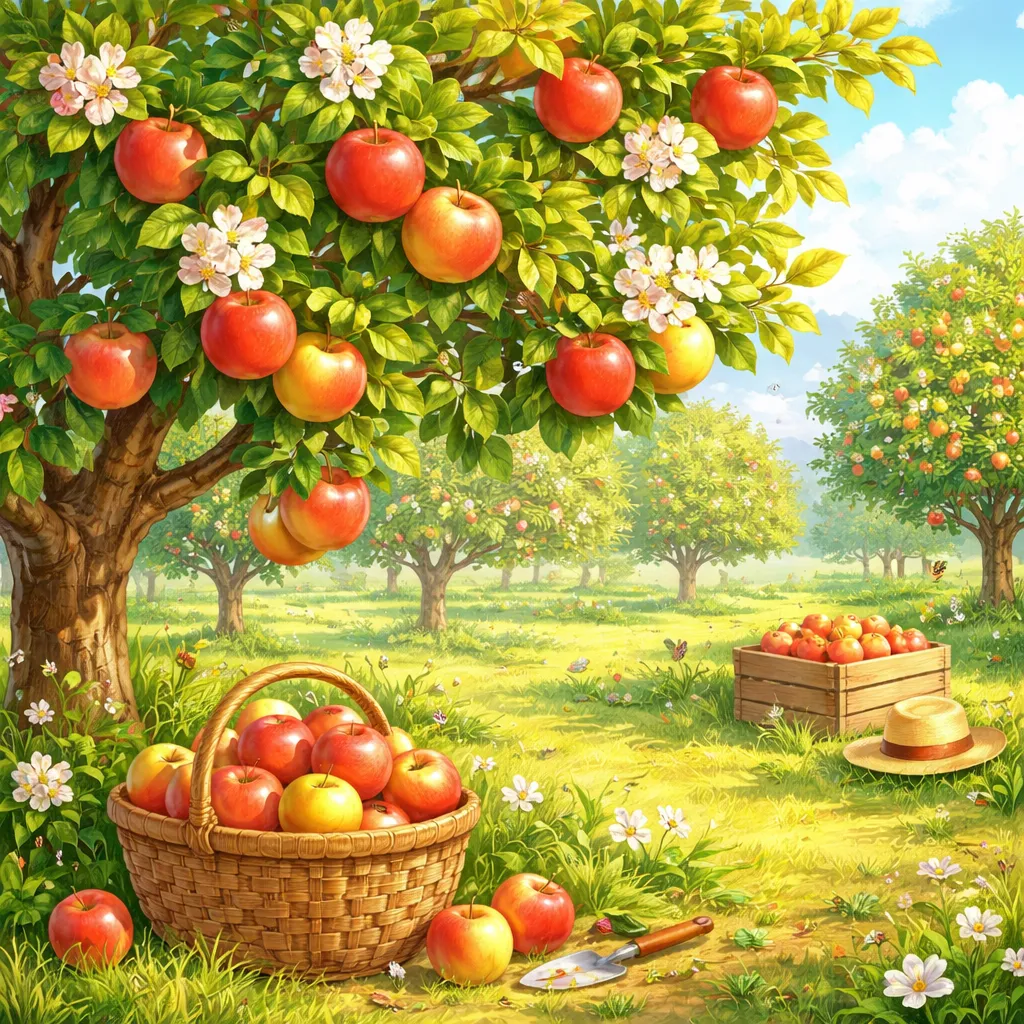
What Sweet Fruits Grow on Woody Branches? Learn About Apple Tree Plant!
