
What Is This Animal?
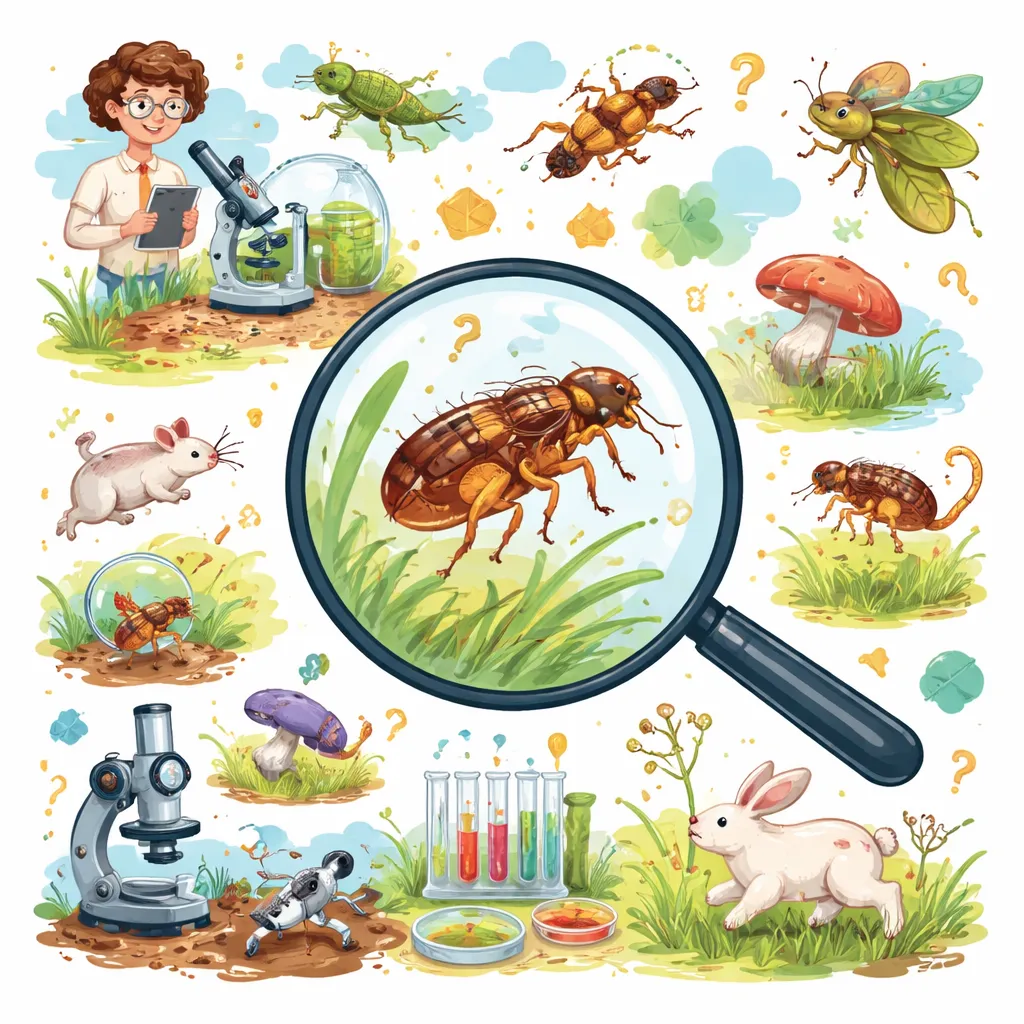
A flea is a tiny insect without wings. Its body is small, dark, and flattened from side to side. This shape helps it move through fur and feathers. Fleas have strong back legs. They use these legs to jump great distances.
Fleas live on animals. They feed on blood. Dogs, cats, birds, and other animals can have fleas. Fleas bite the skin and drink a small amount of blood. Their bites cause itching. Some people and animals are allergic to flea bites.
These insects are found all over the world. They live where animals live. Fleas can live in carpets, bedding, and soil. They wait for an animal to pass by. Then they jump onto the animal. They spend most of their lives on their host.
For children, fleas are best understood from a prevention standpoint. Learning about fleas teaches children how to care for pets and keep homes clean. It also shows how small creatures can have big effects.
English Learning About This Animal
Let us learn the English word flea. We say it like this: /fliː/. The fl sound starts with the lips. The ea sounds like “ee” in “bee.” Say it together: flea. Say it three times. Flea. Flea. Flea.
Now let us learn words about a flea’s body. The head holds the eyes and antennae. The thorax is the middle part where legs attach. The abdomen is the back part. The hind legs are long and powerful for jumping. The mouthparts are adapted for piercing skin and sucking blood. The spines on the body help it move through fur.
There is a wise saying about fleas. An old proverb says, “If you lie down with dogs, you get up with fleas.” This means that the company you keep affects you. Another saying is, “A flea can trouble a lion more than a lion can trouble a flea.” This reminds us that even small things can cause big problems.
These English words help children understand flea anatomy. When they say hind legs, they learn about the jumping tools. When they say spines, they understand how fleas stay on animals. Parents can practice these words while looking at pictures. Point to the parts. Say the words together.
Animal Facts and Science Knowledge
Fleas belong to the insect order Siphonaptera. This name means “wingless siphon.” There are over two thousand flea species. Fleas are insects without wings. They cannot fly. They move by jumping. A flea can jump up to one hundred times its body length.
Fleas live on warm-blooded animals. They prefer mammals and birds. Each flea species usually prefers a specific host. Cat fleas are the most common on pets. They also bite humans. Fleas live in the fur or feathers of their host. They lay eggs on the host. The eggs fall off into the environment.
Fleas eat blood. Adults need blood to survive and reproduce. They use their mouthparts to pierce the skin. They inject saliva that stops blood from clotting. The saliva causes itching. Flea larvae do not drink blood. They eat organic matter like dried flea droppings.
Fleas have special abilities. They are among the best jumpers in the animal kingdom. Their legs store energy like springs. They release this energy to jump instantly. Fleas can survive without food for months. They wait in carpets or soil until a host passes by.
Fleas go through complete metamorphosis. They start as eggs. Eggs hatch into larvae. Larvae look like tiny worms. They spin a cocoon and become pupae. Adult fleas emerge from the cocoon. They wait for a host to come near. The whole life cycle can take weeks or months depending on conditions.
How to Interact With This Animal Safely
Fleas are pests that bite. The best way to interact is to prevent them. Teach children about pet care. Dogs and cats need regular flea prevention. Talk to a veterinarian about safe products. Keeping pets flea-free keeps the home flea-free.
Teach children not to touch stray animals. Stray dogs and cats may have fleas. Fleas can jump from animals to people. If your child pets a stray animal, check for fleas afterward. Wash hands and clothing.
Keep the home clean to prevent fleas. Vacuum carpets and furniture regularly. Wash pet bedding in hot water. These steps remove flea eggs and larvae. A clean home makes it hard for fleas to survive.
If your family has fleas, treat the home and pets together. Fleas live on pets and in the environment. Treating only one will not solve the problem. Follow the advice of a veterinarian or pest control professional.
Teach children not to scratch flea bites. Scratching can cause infection. Wash bites with soap and water. Apply a cold pack to reduce itching. If bites become infected, see a doctor. Most flea bites heal on their own.
What Can We Learn From This Animal
Fleas teach us about prevention. Keeping fleas away takes regular effort. Children learn that prevention is easier than solving problems later. Brushing teeth, washing hands, and cleaning up are all prevention habits.
Fleas teach us about caring for pets. Pets depend on us to keep them healthy. Children learn that having a pet means responsibility. Regular grooming, vet visits, and flea prevention are part of pet care.
Fleas teach us about small things with big impact. A tiny flea can cause itching and discomfort. Children learn that small problems can grow if ignored. Addressing small issues early prevents bigger problems.
Fleas teach us about life cycles. They change from eggs to larvae to pupae to adults. Children learn that understanding life cycles helps us control pests. Knowing where fleas live and grow helps us remove them.
Fun Learning Activities
Let us make learning about flea fun. One activity is the flea jump game. Ask your child to squat down. Jump forward as far as possible. Measure the jump. Compare it to body length. Talk about how fleas jump much farther relative to their size. Say “flea jumps far” and “flea leaps high.”
Another activity is drawing a flea under a magnifying glass. Look at pictures of fleas magnified. Notice the flattened body, long legs, and spines. Draw what you see. Label the parts. Say the words aloud.
Create a story about a flea’s journey. Ask your child where the flea lives. Does it live on a dog? Does it jump to the carpet? Does it lay eggs? Write a few sentences together. Let your child draw pictures. Read the story aloud.
Make a flea craft. Use a small dark bead for the body. Add long pipe cleaner legs folded for jumping. Draw tiny spines on the body. Talk about how fleas are shaped to move through fur.
Learn about pet care together. Make a pet care chart. Include flea prevention, grooming, and vet visits. Talk about why each step is important. Use words like “prevention,” “grooming,” and “veterinarian.”
These simple activities bring learning to life. Children build English vocabulary while playing. They learn science through understanding life cycles. They develop responsibility through pet care discussions. Learning about flea becomes a lesson in prevention, care, and the importance of small actions. Each moment spent together strengthens language, curiosity, and a growing awareness that even tiny creatures teach us to care for our pets, our homes, and ourselves.