
What Is This Animal?
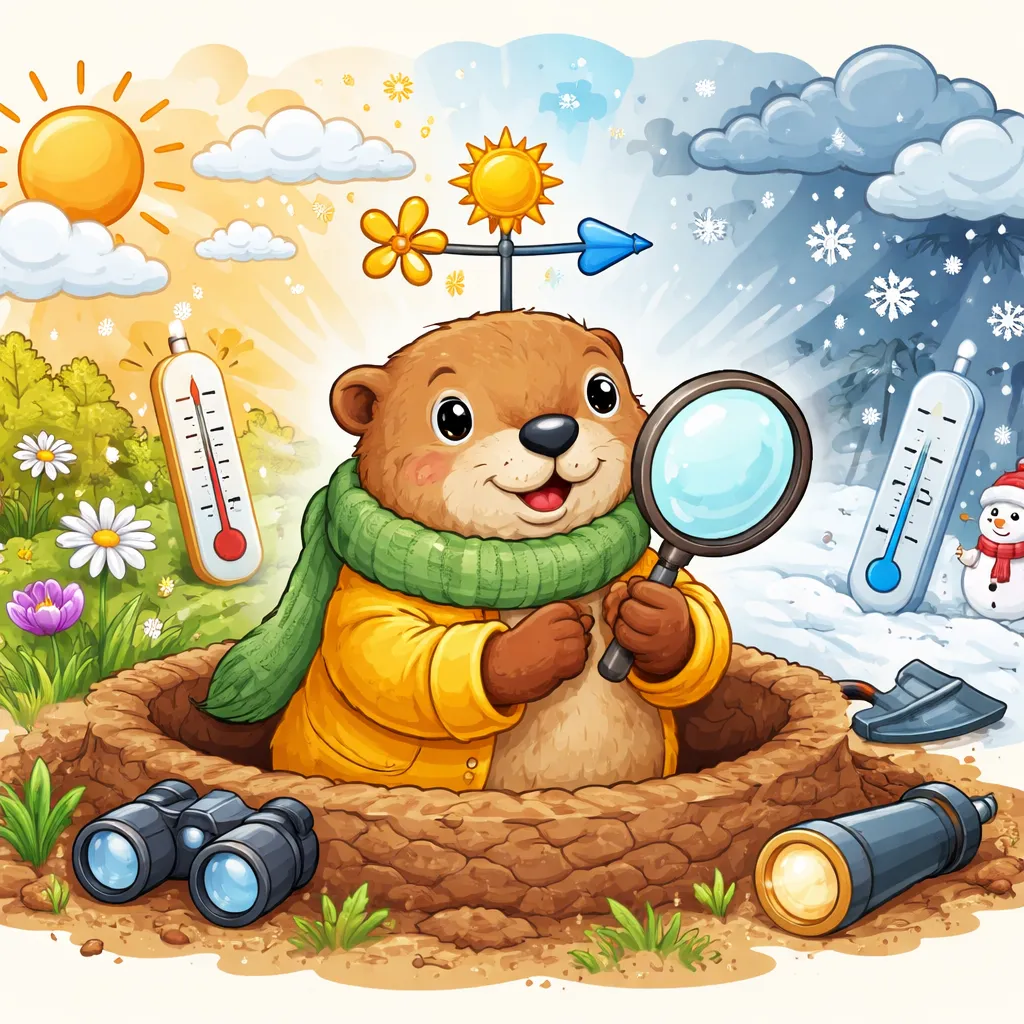
A groundhog is a large, stocky rodent with brown fur and a short, bushy tail. It has strong legs and sharp claws for digging. Groundhogs are also called woodchucks. They belong to the squirrel family. They are the largest members of this family in North America.
Groundhogs live in burrows. They dig extensive tunnels underground. Their burrows have sleeping chambers, bathroom areas, and multiple exits. They are excellent diggers. They can move large amounts of soil. Their burrows help them escape predators and survive winter.
These animals are found in North America. They live in fields, meadows, and woodland edges. They are active during the day. They eat grass, clover, and garden vegetables. They are famous for Groundhog Day. On February 2, people watch for groundhogs emerging from hibernation to predict the coming of spring.
For children, groundhogs are fascinating. Their digging skills and winter sleep make them interesting. Learning about groundhogs teaches children about animal behavior, hibernation, and the traditions that celebrate the changing seasons.
English Learning About This Animal
Let us learn the English word groundhog. We say it like this: /ˈɡraʊndhɒɡ/. The word has two parts. Ground sounds like “ground.” Hog sounds like “hog.” Put them together: groundhog. Say it three times. Groundhog. Groundhog. Groundhog. They are also called woodchucks.
Now let us learn words about a groundhog’s body. The fur is brown and thick. The claws are long and strong for digging. The body is stocky and powerful. The tail is short and bushy. The pups are baby groundhogs.
There is a famous saying about groundhogs. On Groundhog Day, people say, “If the groundhog sees its shadow, winter will last six more weeks.” This is a beloved tradition. Another saying is, “The groundhog sleeps through the coldest days and wakes when spring is near.” This celebrates their hibernation.
These English words help children understand groundhog anatomy. When they say claws, they learn how groundhogs dig. When they say pups, they know the babies. Parents can practice these words while looking at pictures. Point to the parts. Say the words together.
Animal Facts and Science Knowledge
Groundhogs belong to the squirrel family Sciuridae. They are also called woodchucks. The name woodchuck comes from a Native American word. It does not mean they chuck wood. Groundhogs are found throughout eastern and central North America. They live as far north as Alaska.
Groundhogs live in fields, meadows, and woodland edges. They dig burrows in well-drained soil. Their burrows can be up to five feet deep and forty feet long. They have multiple chambers. One chamber is for sleeping. One is for bathroom. They have several exits for escape.
Groundhogs are herbivores. They eat grasses, clover, dandelions, and garden vegetables. They also eat berries and tree bark. They eat large amounts in summer and fall. They build fat reserves for winter. They hibernate from October to February.
Groundhogs have special abilities. They are excellent diggers. They can move over seven hundred pounds of soil digging one burrow. They can climb trees to escape predators. They are good swimmers. They whistle to warn others. This is why they are sometimes called whistle pigs.
Groundhogs are mostly solitary. They live alone except during breeding. Males have large territories. They may share burrows with females during mating season. Mothers raise the pups alone. Pups are born in spring. They leave the burrow after about six weeks.
How to Interact With This Animal Safely
Groundhogs are wild animals. They are not pets. The best way to interact is to watch from a distance. If you see a groundhog in a field, stay quiet. Watch it eat or sit by its burrow. Do not try to approach or chase it.
Teach children not to feed groundhogs. Human food is not healthy for them. Feeding makes them lose their fear of people. They may come too close. They may bite if they feel trapped.
If groundhogs dig in your garden, use gentle deterrents. Fencing can protect vegetables. Plant flowers groundhogs do not like. Do not use poisons. Poisons can harm other animals and pets.
Groundhogs are important for soil health. Their burrows aerate the ground. Old burrows become homes for other animals. They are part of the natural landscape.
On Groundhog Day, enjoy the tradition from afar. Watch the famous groundhog Punxsutawney Phil on television. Learn about the tradition. This is a fun way to celebrate without disturbing wild animals.
What Can We Learn From This Animal
Groundhogs teach us about preparation. They eat all summer to prepare for winter. Children learn that preparing helps us. Saving, planning, and getting ready for what comes next are important habits.
Groundhogs teach us about rest. They sleep for months in winter. Children learn that rest is important for health. Sleep, quiet time, and taking breaks help us grow strong.
Groundhogs teach us about home. They build cozy burrows underground. Children learn that home is where we feel safe. Creating a safe, comfortable space matters.
Groundhogs teach us about seasons. They wake when spring approaches. Children learn that seasons change. Winter does not last forever. Spring always comes.
Fun Learning Activities
Let us make learning about groundhog fun. One activity is the groundhog shadow game. Ask your child to pretend to be a groundhog coming out of a burrow. If they see their shadow, they go back in. If no shadow, they stay out. Say “groundhog sees shadow” and “groundhog predicts spring.”
Another activity is drawing a groundhog. Look at pictures of groundhogs. Notice the stocky body, strong claws, and short tail. Draw a groundhog outside its burrow. Add grass and a shadow. Label the parts. Say the words aloud.
Create a story about a groundhog’s year. Ask your child what the groundhog does. Does it eat grass in summer? Does it dig a burrow? Does it sleep in winter? Does it wake in spring? Write a few sentences together. Let your child draw pictures. Read the story aloud.
Make a groundhog craft. Use brown paper for the fur. Add a stocky body and short tail. Add strong claws. Add small ears and eyes. Move the craft groundhog. Practice saying “groundhog digs” and “groundhog hibernates.”
Learn about Groundhog Day. Talk about the tradition. Read about Punxsutawney Phil. Use words like “tradition,” “prediction,” and “hibernation.”
Learn about hibernation. Talk about why groundhogs sleep in winter. Compare to other animals that hibernate like bears or marmots. Use words like “hibernate,” “fat reserve,” and “metabolism.”
These simple activities bring learning to life. Children build English vocabulary while playing. They learn science through understanding hibernation. They develop appreciation through learning about seasonal traditions. Learning about groundhog becomes a journey into fields and meadows, through winter sleep and spring awakening. Each moment spent together strengthens language, curiosity, and a growing appreciation for the chunky diggers that teach us that preparation, rest, and the turning of seasons are rhythms worth celebrating.