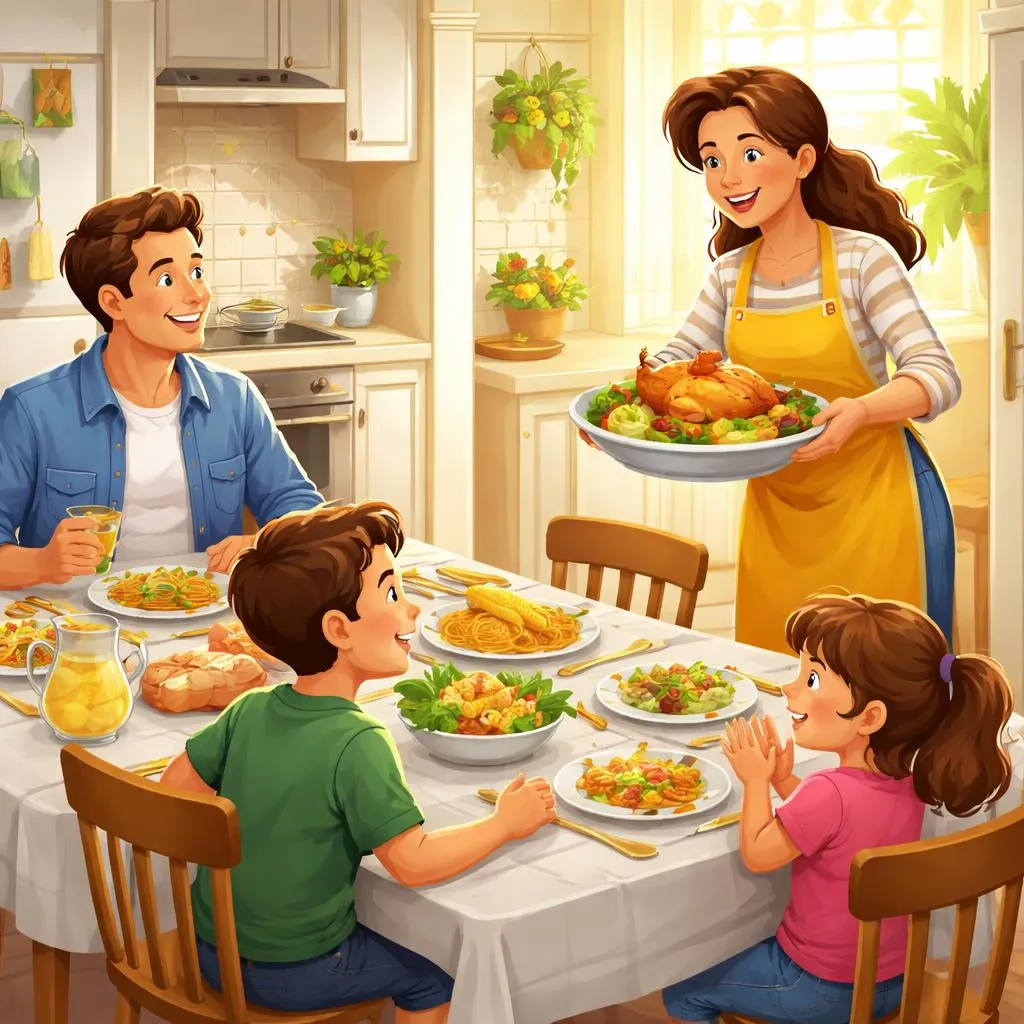

What Do These Expressions Mean? “Let's eat” and “let's have food” both invite others to begin a meal. They tell the group that it is time to start eating together. Children hear these words when dinner is served or snacks are ready. Both start mealtime.
“Let's eat” means let us begin the activity of eating. It is common and direct. A parent says it when placing plates on the table. It feels warm and familiar.
“Let's have food” means let us consume food together. It sounds more general and less common. A child might say it when hungry and looking for a snack. It feels a bit awkward for a family meal.
These expressions seem similar. Both announce that eating is about to happen. Both bring people to the table. But one is the standard phrase while one is rarely used.
What's the Difference? One is the traditional mealtime call. One is a more awkward alternative. “Let's eat” is what families say every day. It is short, warm, and natural. Children learn it from their first meals.
“Let's have food” is not wrong, but it sounds odd. English speakers almost never say this. “Have food” can mean “eat,” but it is not a mealtime invitation. A child saying “let's have food” sounds like a non-native speaker.
Think of a family sitting at the dinner table. “Let's eat, everyone” is perfect. “Let's have food, everyone” sounds strange. One matches everyday English. One does not.
One is for the meal. The other is for the concept of food. “Let's eat” initiates the action. “Let's have food” talks about food in a general way. For mealtime, say “let's eat.”
Also, “let's have food” might be used in very specific contexts. “Let's have food delivered” works. “Let's have food at the picnic” works. But as a dinner invitation, use “let's eat.”
When Do We Use Each One? Use “let's eat” for every mealtime. Use it for breakfast, lunch, dinner, and snacks. Use it when food is ready on the table. It fits family life.
Examples at home: “Let's eat before the food gets cold.” “Let's eat together as a family.” “Let's eat. I am starving.”
Use “let's have food” very rarely. Use it when talking about getting food, not starting a meal. Use it to suggest ordering food or packing food. Children almost never need this phrase for mealtime.
Examples for context: “Let's have food delivered tonight.” (ordering) “Let's have food at the park.” (picnic location) “Let's have some food before we go.” (snack time)
Most children should just say “let's eat.” It is the clear, natural, traditional choice. “Let's have food” is good to understand for contexts about acquiring food. But for sitting down to eat, “let's eat” wins.
Example Sentences for Kids Let's eat: “Let's eat. Dinner is ready.” “Let's eat together at the big table.” “Let's eat. I made your favorite.”
Let's have food: “Let's have food before the movie.” (snack time) “Let's have food at the carnival.” (location) “Let's have some food. I am hungry.” (less common)
Notice “let's eat” sounds like a happy dinner bell. “Let's have food” sounds like a planning sentence. Children learn both. But they should say “let's eat” for the main meal.
Parents can use “let's eat” every time. Save “let's have food” for vocabulary lessons. “We say ‘let's eat’ to start a meal. ‘Let's have food’ is for talking about getting food somewhere.” Learning happens in small moments.
Common Mistakes to Avoid Some children say “let's have food” at the dinner table. It sounds very strange to native speakers. Stick with “let's eat.” Simple and natural is best.
Wrong: “Let's have food, everyone.” Right: “Let's eat, everyone.”
Another mistake: using “let's have food” for starting a meal. Even adults do not say this. If you are sitting at a table with plates of food, say “let's eat.” It is the universal call.
Wrong: (food on table) “Let's have food.” Right: (food on table) “Let's eat.”
Some learners forget that “let's eat” includes a sense of togetherness. “Let's eat” means let us share this meal. It is warm. It is inviting. Say it with a smile.
Also avoid saying “let's eat” when no food is ready. That can be confusing. Only say it when food is actually on the table or about to be served. Timing matters.
Easy Memory Tips Think of “let's eat” as a ringing dinner bell. Ding ding ding. Everyone comes to the table. Warm and traditional.
Think of “let's have food” as a shopping list. The list says “get food.” It is about planning, not eating. Practical but not for mealtime.
Another trick: remember the action. “Eat” is the action of the meal. “Have food” is about possession. Action gets “let's eat.” Possession gets “let's have food.”
Parents can say: “Eat for the seat. Have food for the street.” That means at the table, say “let's eat.” Talking about getting food outside the home, “let's have food” might work.
Practice at dinner. Sit down. Say “let's eat.” That is perfect English. That is family time.
Quick Practice Time Let us try a small exercise. Choose the better phrase for each situation.
Your child sits at the dinner table with the family. Food is on plates. a) “Let's have food.” b) “Let's eat. Everything looks delicious.”
Your family is planning a picnic. You need to bring food. a) “Let's eat at the picnic.” b) “Let's have food at the picnic. I will pack sandwiches.”
Answers: 1 – b. A ready meal at the table fits “let's eat.” 2 – b. Planning food for an event fits “let's have food.”
Fill in the blank: “When Mom puts spaghetti on the table, she calls out ______.” (“Let's eat” is the natural, warm family call.)
One more: “When my friends and I plan a trip to the amusement park, we say ______ there.” (“Let's have food” works for planning where to eat, not for the mealtime call.)
Meals are family time. “Let's eat” brings everyone together. “Let's have food” plans the food. Teach your child both. Use the warm one at the table. That builds belonging.
Wrap-up “Let's eat” is the warm, traditional call to start a family meal. “Let's have food” is for planning or talking about getting food elsewhere. Use “let's eat” at the table for breakfast, lunch, and dinner. Use “let's have food” when planning a picnic or ordering delivery. The best mealtime words bring family together. “Let's eat” does that perfectly.