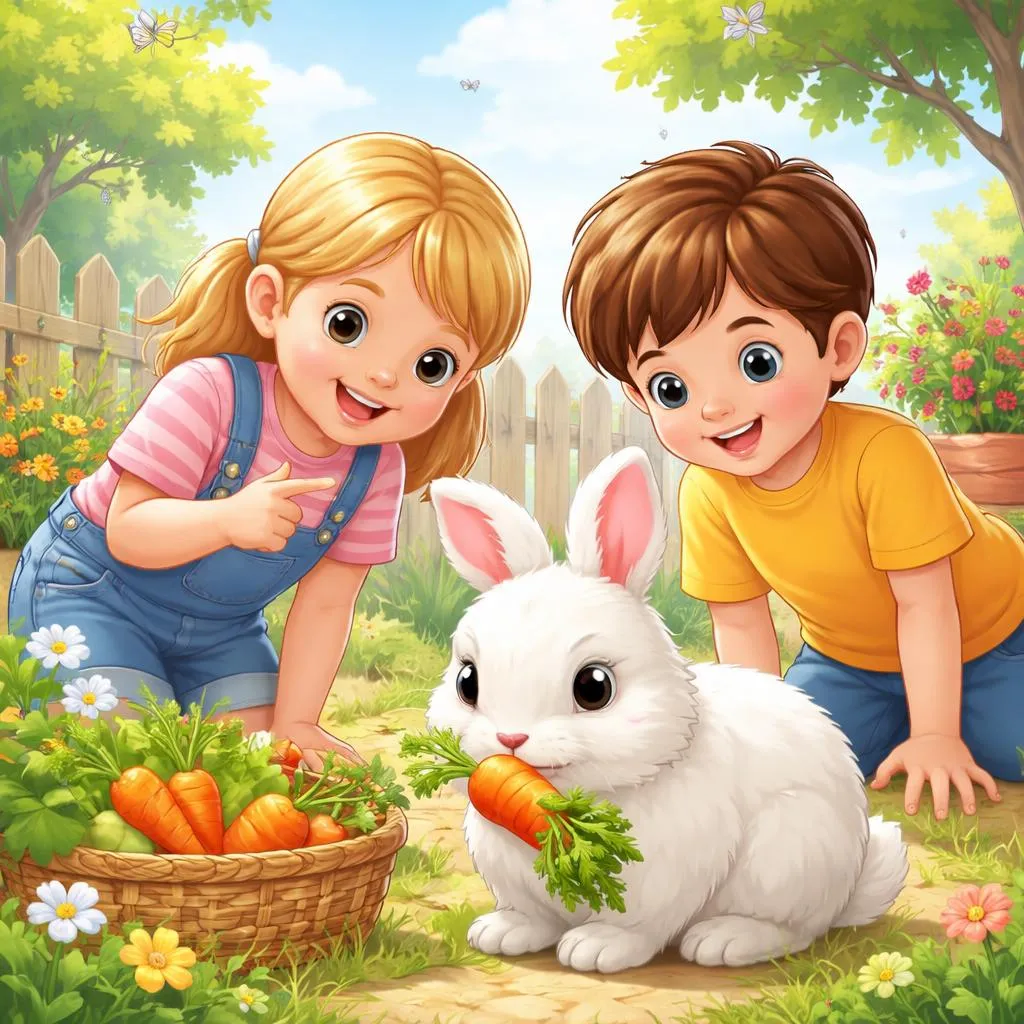

What Do These Expressions Mean? “It's eating” and “it's having food” both mean that a living creature is consuming food. They tell someone that the animal or person is taking in nourishment. Children say these words about pets at a bowl, birds at a feeder, or siblings at dinner. Both describe mealtime.
“It's eating” means the creature is actively chewing and swallowing food. A child says it when a hamster nibbles a seed. It is direct and common.
“It's having food” means the creature is in the process of eating a meal or snack. A child says it when a friend sits down for lunch. It is a bit more about the event than the action.
These expressions seem similar. Both mean “consuming food.” Both describe eating. But one is direct while one is about the meal event.
What's the Difference? One is about the action of chewing and swallowing. One is about the event of eating. “It's eating” focuses on the physical act. The mouth moves. Food goes in. It is specific.
“It's having food” focuses on the meal or snack as an activity. It is broader. A child “having food” might be eating or just sitting at the table. It includes the whole mealtime experience.
Think of a bird pecking at a worm. “It's eating” is right. A family sitting at a dinner table. “We are having food” describes the event. One is for action. One is for occasion.
One is for the moment of chewing. The other is for the meal period. “Eating” = the action. “Having food” = the activity of mealtime. Use “eating” for the act. Use “having food” for the occasion.
Also, “having food” can be used for polite invitations. “We are having food at 6 PM.” “Eating” is more direct.
When Do We Use Each One? Use “it's eating” for the physical action of consuming food. Use it for animals, people, or pets actively chewing. Use it for close-up observation. It fits action talk.
Examples at home: “The cat is eating its fish.” “Look, the bird is eating a berry.” “Don’t interrupt when someone is eating.”
Use “it's having food” for the mealtime event. Use it for meal times, snacks, or occasions. Use it when you want to be polite. It fits event talk.
Examples for occasions: “The family is having food in the dining room.” “We are having food after the game.” “The baby is having food in the high chair.”
Children can use both. “Eating” for the action. “Having food” for the meal event. Both are correct.
Example Sentences for Kids It's eating: “It's eating its breakfast.” “The dog is eating from its bowl.” “Don’t make noise; the cat is eating.”
It's having food: “The children are having food at the table.” “We are having food before the movie.” “The birds are having food at the feeder.”
Notice “eating” is the chewing action. “Having food” is the mealtime event. Children learn both. One for mouth. One for occasion.
Parents can use both. A pet: “it's eating.” Family dinner: “we are having food.” Children learn different meal words.
Common Mistakes to Avoid Some children say “having food” for a quick snack. A cracker eaten in one bite is eating. “Having food” sounds more like a sitting meal. Use “eating” for quick snacks.
Wrong: “The squirrel is having a nut.” (fine but odd) Better: “The squirrel is eating a nut.”
Another mistake: saying “eating” for having a drink. “Eating” is for solid food. “Drinking” is for liquid. Do not mix them.
Wrong: “The dog is eating water.” Right: “The dog is drinking water.”
Some learners think “having food” is for people only. Animals have food too. “The cat is having food” is fine, but “eating” is simpler. Use “eating” for animals.
Also avoid saying “it's eating” when the creature is not actually chewing. Waiting for food is not eating. Be accurate.
Easy Memory Tips Think of “eating” as a chewing mouth. Chomp. Swallow. Action. For the physical act.
Think of “having food” as a dinner plate on a table. Mealtime event. For the occasion.
Another trick: remember the focus. “Eating” = mouth moving. “Having food” = mealtime event. Mouth gets “eating.” Event gets “having food.”
Parents can say: “Eat for a bite. Have for a mealtime night.”
Practice at home. Dog chewing: “it's eating.” Family at table: “we are having food.”
Quick Practice Time Let us try a small exercise. Choose the better phrase for each situation.
A child watches a hamster chewing a sunflower seed in its cage. a) “It's having food.” b) “It's eating.”
A child sees a family sitting down to a picnic lunch on a blanket. a) “They are eating.” b) “They are having food.”
Answers: 1 – b. A hamster actively chewing fits the action “eating.” 2 – a or b. Both work. “Having food” fits the picnic event.
Fill in the blank: “When I see my dog chewing on a bone, I say it's ______.” (“Eating” is the action-focused, mouth-moving, direct choice.)
One more: “When we sit down for a birthday dinner, we are ______.” (“Having food” fits the event-focused, mealtime, occasion description.)
Food is life. “It's eating” watches the action. “It's having food” marks the event. Teach your child both. A child who learns both can describe every meal.
Wrap-up “It's eating” describes the physical action of chewing and swallowing food. “It's having food” describes the mealtime event or occasion of eating, often a full meal. Use “it's eating” for pets, birds, and people actively chewing. Use “it's having food” for meal events, family dinners, and polite conversation. Both phrases describe taking in nourishment. A child who learns both can tell you if a pet is nibbling or a family is dining.