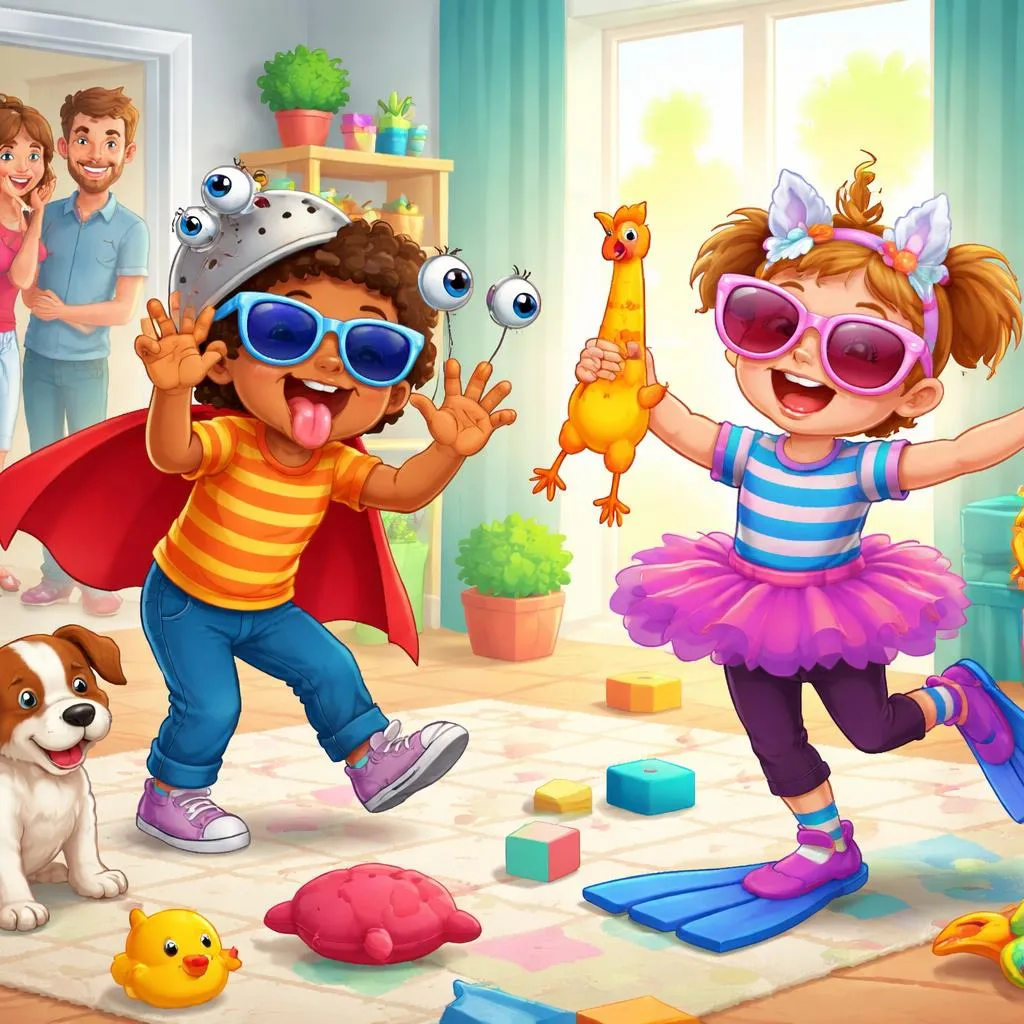

What Do These Expressions Mean? “It's silly” and “it's foolish” both describe behavior that lacks good judgment or is not serious. They tell someone that an action is not wise or is just for fun. Children say these words about wearing clothes backward, making funny noises, or doing something unwise. Both describe poor choices or playful acts.
“It's silly” means playful, funny, or not serious in a harmless way. It is often positive or neutral. A child says it when putting a hat on backward. It is warm and gentle.
“It's foolish” means unwise, showing poor judgment, or lacking sense. It is stronger and more negative. An adult says it about a dangerous choice. It is a criticism.
These expressions seem similar. Both say “that's not smart.” Both describe actions that are not serious. But one is playful while one is critical.
What's the Difference? One is for harmless fun. One is for bad judgment. “It's silly” is for goofy, funny, playful actions. Wearing a costume to dinner. Making a funny face. It is often a compliment.
“It's foolish” is for actions that are unwise or dangerous. Running into the street. Touching a hot stove. It is a warning or a criticism. It is much stronger.
Think of a child wearing mismatched socks. “It's silly” is right. “It's foolish” would be too strong. One is for playful mistakes. One is for dangerous ones.
One is gentle. The other is serious. “It's silly” is for laughing at yourself. “It's foolish” is for learning a lesson. Use the first for fun. Use the second for safety.
Also, “silly” can be affectionate. “You silly goose” is loving. “You foolish goose” is not. Choose the kind word.
When Do We Use Each One? Use “it's silly” for playful, harmless, goofy actions. Use it for funny faces, silly walks, or wearing funny clothes. Use it to laugh together. It fits fun moments.
Examples at home: “It's silly to wear your shirt backward, but it's funny.” “That dance is silly. I love it.” “It's silly how you talk to the dog.”
Use “it's foolish” for unwise or dangerous actions. Use it when a child makes a bad choice that could hurt them. Use it to teach safety. It fits serious teaching moments.
Examples for wise teaching: “It's foolish to run across the street without looking.” “That was foolish to touch the hot pan.” “It's foolish to leave your bike in the driveway.”
Children can use both. “It's silly” for playful fun. “It's foolish” for unwise choices. Both teach.
Example Sentences for Kids It's silly: “It's silly to put your shoes on your hands.” “We are being silly with our funny voices.” “It's silly, but it makes me laugh.”
It's foolish: “It's foolish to jump off the top of the slide.” “That was foolish. You could have gotten hurt.” “It's foolish to not wear a helmet on your bike.”
Notice “it's silly” is about fun. “It's foolish” is about safety. Children learn both. One for play. One for learning.
Parents can use both. Silly hat: “that's silly.” Dangerous choice: “that's foolish.” Children learn different kinds of unwise actions.
Common Mistakes to Avoid Some children call everything “foolish.” That makes the word too strong for small mistakes. Save “foolish” for real unwise choices. Use “silly” for small goofs.
Wrong: “It's foolish to wear two different socks.” Right: “It's silly to wear two different socks.”
Another mistake: saying “silly” for dangerous actions. If a child does something dangerous, do not say “silly.” Say “foolish” or “dangerous.” The word must match the seriousness.
Wrong: “It's silly to run in the street.” (too light) Right: “It's foolish to run in the street. It's dangerous.”
Some learners think “silly” is always bad. Silly is often good. It means fun and playful. Teach your child that silly can be wonderful.
Also avoid calling a child “foolish” as a name. Say “that action was foolish,” not “you are foolish.” Separate the deed from the person.
Easy Memory Tips Think of “it's silly” as a clown nose. Red. Round. Funny. For playful goofs.
Think of “it's foolish” as a red stop sign. Danger. Stop. Think again. For unwise actions.
Another trick: remember the danger. “Silly” is safe. “Foolish” is risky. Safe gets “silly.” Risky gets “foolish.”
Parents can say: “Silly for a giggle. Foolish for a wriggle.” That means playful mistakes get “silly.” Dangerous or unwise choices get “foolish.”
Practice at home. Wearing a hat sideways: “it's silly.” Running near the street: “that's foolish.” Two different lessons.
Quick Practice Time Let us try a small exercise. Choose the better phrase for each situation.
A child puts a bowl on their head like a hat and dances around the kitchen. a) “It's foolish to put a bowl on your head.” b) “It's silly. You look funny.”
A child tries to climb a bookshelf to reach a high toy. It could fall. a) “It's silly to climb the shelf.” b) “It's foolish to climb the shelf. You could get hurt.”
Answers: 1 – b. A playful, harmless, goofy act fits the gentle “silly.” 2 – b. A dangerous, unwise act fits the serious “foolish.”
Fill in the blank: “When I make a funny face with my tongue out, my dad says it's ______.” (“Silly” is the warm, playful, loving choice for harmless goofs.)
One more: “When my friend runs into the street without looking, I say that's ______.” (“Foolish” fits the serious, dangerous, unwise action.)
Playing and learning go together. “It's silly” keeps play fun. “It's foolish” keeps learning safe. Teach your child both. A child who knows silly can laugh. A child who knows foolish stays safe.
Wrap-up “It's silly” describes playful, harmless, goofy actions that make us laugh. “It's foolish” describes unwise, dangerous, or poorly judged actions that could cause harm. Use “it's silly” for funny dances, mismatched clothes, and silly voices. Use “it's foolish” for running into the street, touching hot stoves, or not wearing a helmet. Both words teach children about choices. A child who can tell silly from foolish grows up both joyful and safe.