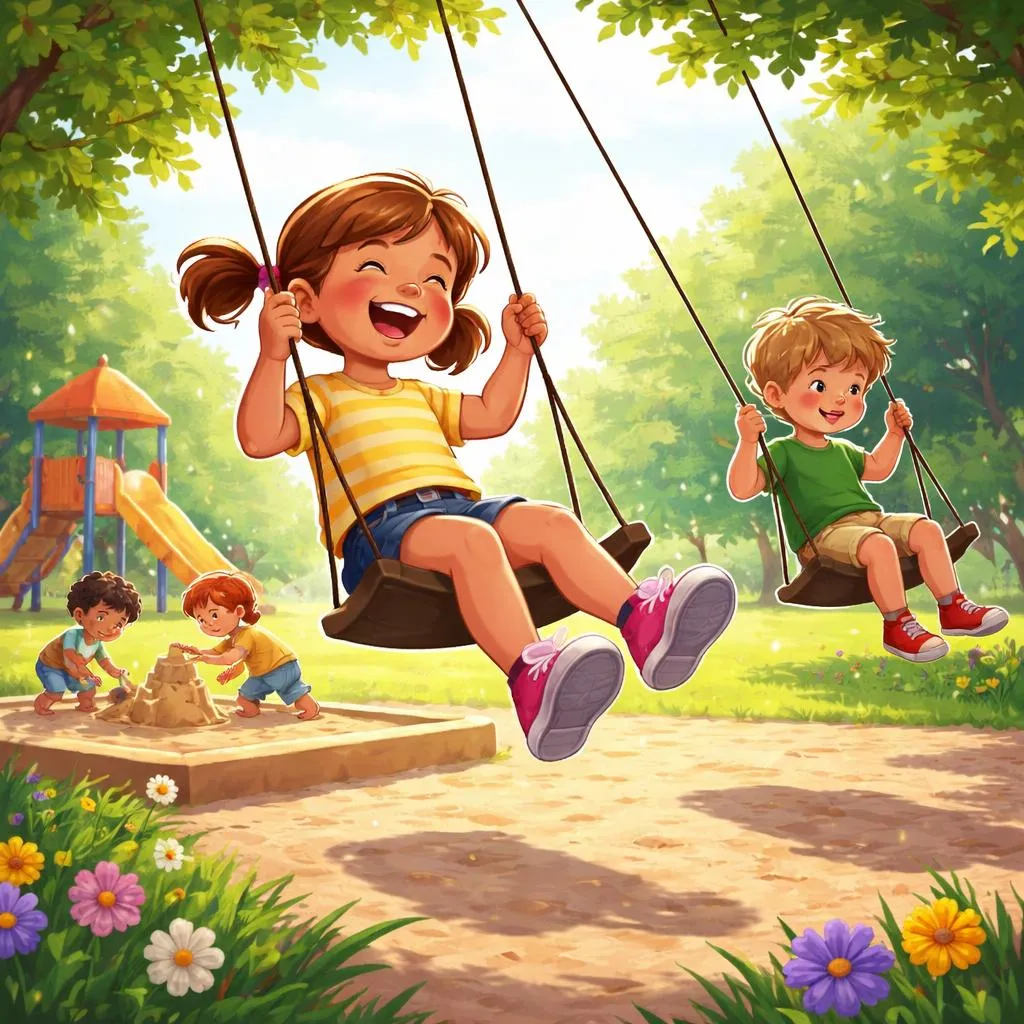

What Do These Expressions Mean? “It's playing” and “it's having fun” both mean that a child or animal is engaged in enjoyable activity. They tell someone that the creature is doing something for amusement. Children say these words about friends on a playground, pets with a toy, or siblings laughing. Both describe joy.
“It's playing” means the creature is engaged in a game or recreational activity. A child says it when a dog chases a ball. It focuses on the activity.
“It's having fun” means the creature is experiencing enjoyment and pleasure. A child says it when a friend is laughing on a swing. It focuses on the feeling.
These expressions seem similar. Both mean “enjoying life.” Both describe positive action. But one is about the activity while one is about the feeling.
What's the Difference? One is about the activity. One is about the feeling. “It's playing” describes what the creature is doing. Running, jumping, chasing, building. It is action-based.
“It's having fun” describes how the creature feels. The inside emotion is joy. It is feeling-based.
Think of a child on a swing. “It's playing on the swing” describes the activity. “It's having fun” describes the joyful feeling. One is for action. One is for emotion.
One is for the outside action. The other is for the inside emotion. “Playing” = what you do. “Having fun” = how you feel. Use the first for activity. Use the second for emotion.
Also, you can play without having fun (if you are forced). You can have fun without playing (watching a funny movie). They are different.
When Do We Use Each One? Use “it's playing” to describe the activity. Use it for games, sports, pretend, or toys. Use it to say what someone is doing. It fits action talk.
Examples at home: “The dog is playing with a rope.” “The kids are playing tag.” “She is playing with her dollhouse.”
Use “it's having fun” to describe the emotion. Use it when someone is laughing, smiling, or enjoying. Use it to comment on the feeling. It fits emotion talk.
Examples for feeling: “Look, the baby is having fun in the sandbox.” “They are having fun at the party.” “He is having fun playing his video game.”
Children can use both. “Playing” for action. “Having fun” for feeling. Both are positive.
Example Sentences for Kids It's playing: “It's playing with a ball.” “The cat is playing with string.” “My friend is playing on the slide.”
It's having fun: “The dog is having fun running.” “They are having fun at the pool.” “She is having fun drawing.”
Notice “playing” is about the action. “Having fun” is about the feeling. Children learn both. One for doing. One for feeling.
Parents can use both. A child on a swing: “it's playing.” (action) A child laughing: “it's having fun.” (feeling) Children learn different descriptions.
Common Mistakes to Avoid Some children say “having fun” for a boring activity. If the child is not smiling, they may not be having fun. Use “playing” for the action. Save “having fun” for when joy is clear.
Wrong: “The boy is having fun cleaning his room.” (maybe not) Better: “The boy is cleaning his room.”
Another mistake: saying “playing” for watching TV. Watching is not playing. Playing is active. Watching is passive. Use “watching” for TV.
Wrong: “The child is playing a movie.” Right: “The child is watching a movie.”
Some learners think “having fun” requires play. You can have fun reading a book. Reading is not playing. But it can be fun. “Having fun” is broader.
Also avoid saying “it's playing” for a person working. Work is not play. Use “working” or “busy.”
Easy Memory Tips Think of “playing” as moving hands. Action. Doing. For the activity.
Think of “having fun” as a smiling face. Joy. Feeling. For the emotion.
Another trick: remember the focus. “Playing” = what you do. “Having fun” = how you feel. Doing gets “playing.” Feeling gets “having fun.”
Parents can say: “Play for a day. Fun for a happy way.”
Practice at home. Chasing a ball: “it's playing.” Laughing: “it's having fun.”
Quick Practice Time Let us try a small exercise. Choose the better phrase for each situation.
A child watches kittens batting a toy mouse back and forth. a) “They are having fun.” b) “They are playing.”
A child sees a friend laughing and clapping while on a merry-go-round. a) “He is playing.” b) “He is having fun.”
Answers: 1 – a or b. Both work. “Playing” describes the action; “having fun” describes the likely feeling. 2 – b. A laughing, clapping child fits the emotion “having fun.”
Fill in the blank: “When I see my dog chasing its tail, I say it's ______.” (“Playing” is the action-focused, activity-based choice.)
One more: “When I see my friend smiling on the roller coaster, I say she is ______.” (“Having fun” fits the emotion-focused, joyful feeling description.)
Play and fun go together. “It's playing” watches the action. “It's having fun” shares the joy. Teach your child both. A child who learns both knows the difference between doing and enjoying.