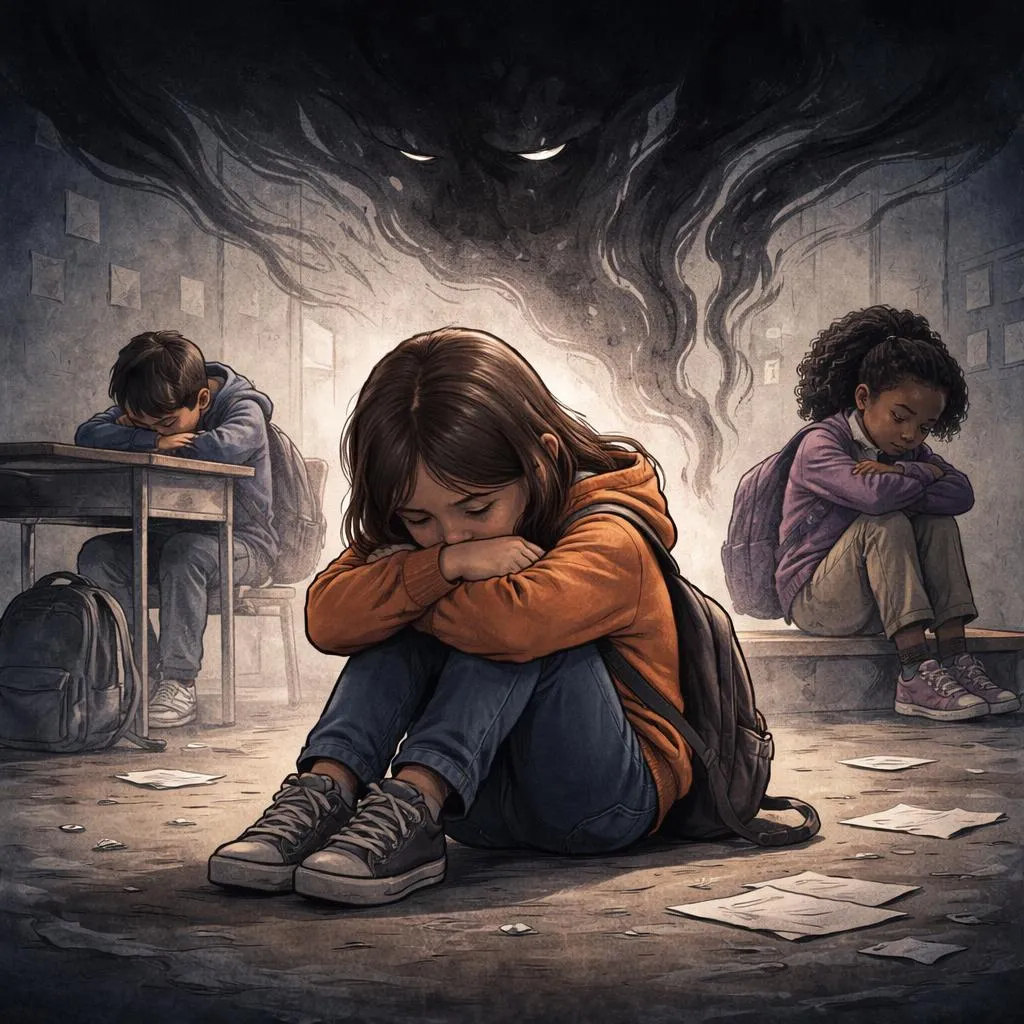

Children feel many emotions. Some feelings are light and bright. Others feel heavy and dark. Two words that describe heavy feelings are “hopeless” and “pessimistic.” These words are not fun to feel. But naming them helps children understand themselves. It also helps parents start important conversations. This article explores both words with care. We will compare their meanings. We will offer gentle ways to talk about difficult emotions. Let us begin this learning journey together.
Are Similar Words Really Interchangeable? English has many word pairs that seem identical. “Hopeless” and “pessimistic” both describe negative expectations. But you cannot always use them the same way. Each word carries a unique emotional weight. Using the wrong word can confuse your message. Kids need to learn these small differences. It helps them express pain more accurately. It also helps them ask for help when needed. Parents can guide children by naming their own feelings. Say “I feel hopeless about this puzzle.” Say “I feel pessimistic about the rainy weather.” This models honest emotional language.
Set 1: Hopeless vs Pessimistic — Which One Is More Common? Let us look at how often people use each word. “Hopeless” appears frequently in everyday speech. You hear it in movies, books, and conversations. “I feel hopeless about finding my keys.” “This situation looks hopeless.” “Pessimistic” is also common but slightly less so. It often appears in discussions about personality or attitudes. “He has a pessimistic view of politics.” Parents can help kids notice this difference. Listen for both words during family TV time. Count how many times characters use each word. This simple activity teaches real-world frequency patterns.
Set 2: Hopeless vs Pessimistic — Same Meaning, Different Contexts Both words mean expecting bad outcomes. But the context changes your choice. “Hopeless” often connects to a specific problem. You see no solution. Example: “The car will not start. I feel hopeless.” The problem is clear and immediate. “Pessimistic” connects to a general outlook. You expect bad things in many areas. Example: “She feels pessimistic about the whole school year.” This covers classes, friends, and activities. Teach kids this difference with a simple question. “Is this about one problem?” That points to hopeless. “Is this about many things?” That points to pessimistic.
Set 3: Hopeless vs Pessimistic — Which Word Is “Bigger” or More Emphatic? Some negative words feel stronger than others. “Hopeless” describes a very intense feeling. It means zero chance of improvement. The emotion can feel overwhelming. “Pessimistic” is usually milder. It means expecting bad things, but change remains possible. A pessimistic person can become optimistic. A hopeless person sees no way out. So “hopeless” feels bigger in emotional weight. Kids can imagine a staircase. Pessimistic stands on a low step. Hopeless has fallen off the stairs completely. This image helps them understand intensity differences.
Set 4: Hopeless vs Pessimistic — Concrete vs Abstract Concrete words connect to clear, physical situations. Abstract words connect to ideas and general mindsets. “Hopeless” often feels more concrete. You can point to the cause. “I feel hopeless because the toy broke.” The broken toy is real. “Pessimistic” feels more abstract. It describes a thinking pattern. “His pessimistic attitude affects everyone.” You cannot touch an attitude. Kids understand concrete feelings first. So “hopeless” may appear earlier in child speech. As children grow, introduce “pessimistic” as a thinking habit. Discuss how thoughts shape feelings.
Set 5: Hopeless vs Pessimistic — Verb or Noun? First Understand the Role Both words are adjectives. They describe a state of mind. But their root forms differ. “Hopeless” comes from the noun “hope” plus the suffix “-less.” “Pessimistic” comes from the noun “pessimism.” Knowing the roots helps kids decode meaning. “-Less” means without. So hopeless means without hope. Pessimistic does not have such a clear visual clue. Parents can play a word-building game. Start with “hope.” Add “-less” to make “hopeless.” Then compare to “pessimism.” Ask which word is easier to understand from its parts. This builds vocabulary decoding skills.
Set 6: Hopeless vs Pessimistic — American English vs British English English varies across countries. American and British speakers use these words with slight differences. “Hopeless” appears frequently in both dialects. “Pessimistic” is also common everywhere. However, British English sometimes uses “hopeless” to mean “very bad at something.” Example: “I am hopeless at cooking.” Americans understand this but use it less often. “Pessimistic” carries the same meaning in both countries. Spelling does not change. Parents can show kids clips from British and American shows. Listen for “hopeless” used in different ways. This teaches that one word can have multiple shades of meaning.
Set 7: Hopeless vs Pessimistic — Which Fits Formal Situations? Formal situations need precise word choice. Writing a school essay. Speaking to a counselor. Describing a serious problem. “Pessimistic” fits very well in formal settings. It sounds analytical and measured. Example: “The economic forecast remains pessimistic.” “Hopeless” is also acceptable but feels more emotional. “The situation appears hopeless” carries urgent weight. In psychology reports, professionals often prefer “pessimistic” for personality descriptions. They use “hopeless” for acute emotional states. Kids can practice writing two sentences. One formal. One emotional. Compare which word fits each tone.
Set 8: Hopeless vs Pessimistic — Which One Is Easier for Kids to Remember? Kids remember words with clear visual clues. “Hopeless” contains the word “hope.” Children already know “hope” from stories and wishes. Adding “-less” creates a clear opposite. “Hope-less” means without hope. This structure is easy to see and remember. “Pessimistic” has no such clue. It is longer with four syllables. Young learners may struggle with spelling and meaning. So start with “hopeless” for younger children. Use it in simple sentences. “The broken toy made me feel hopeless.” Introduce “pessimistic” later as a more advanced word. Connect it to “optimistic,” which kids may already know.
Mini Exercise: Can You Spot the Differences Between These Similar Words? Let us practice together. Read each sentence. Choose “hopeless” or “pessimistic.” Answers are at the bottom.
After failing three tests, Maria felt ______ about passing the class.
Uncle Joe never smiles. He has a ______ view of everything.
The cat ran away a week ago. Finding her feels ______.
Even on sunny days, Liam feels ______ about outdoor plans.
The doctor said the illness has no cure. The family felt ______.
“I doubt we will win,” said the ______ fan before the game started.
Answers: 1 hopeless, 2 pessimistic, 3 hopeless, 4 pessimistic, 5 hopeless, 6 pessimistic
Discuss each answer with your child. Ask why one word fits better. Talk about specific problems versus general attitudes. This turns a heavy topic into a gentle learning moment.
Parent Tips: How to Help Kids Learn and Remember Similar Words Parents can guide children through difficult emotions with care. First, never shame a child for feeling hopeless or pessimistic. These are normal human feelings. Name them without judgment. Say “I see you feel hopeless right now. That is okay.” Second, use both words in gentle conversations. “Do you feel hopeless about this one problem?” “Do you feel pessimistic about many things?” Third, read stories where characters face dark moments. Talk about how the characters feel. Ask which word describes their emotion. Fourth, create a feelings check-in chart. Include “hopeless” and “pessimistic” alongside positive words. This normalizes all emotions. Fifth, teach coping words too. Pair “hopeless” with “hope.” Pair “pessimistic” with “optimistic.” Show that feelings can change.
Children will feel both hopeless and pessimistic at times. These feelings are part of being human. Giving kids the right words empowers them. They can name their pain. They can ask for help. They can understand story characters better. Keep conversations open. Keep your tone gentle. Your child’s emotional vocabulary will grow. And so will their ability to move through dark moments toward light.