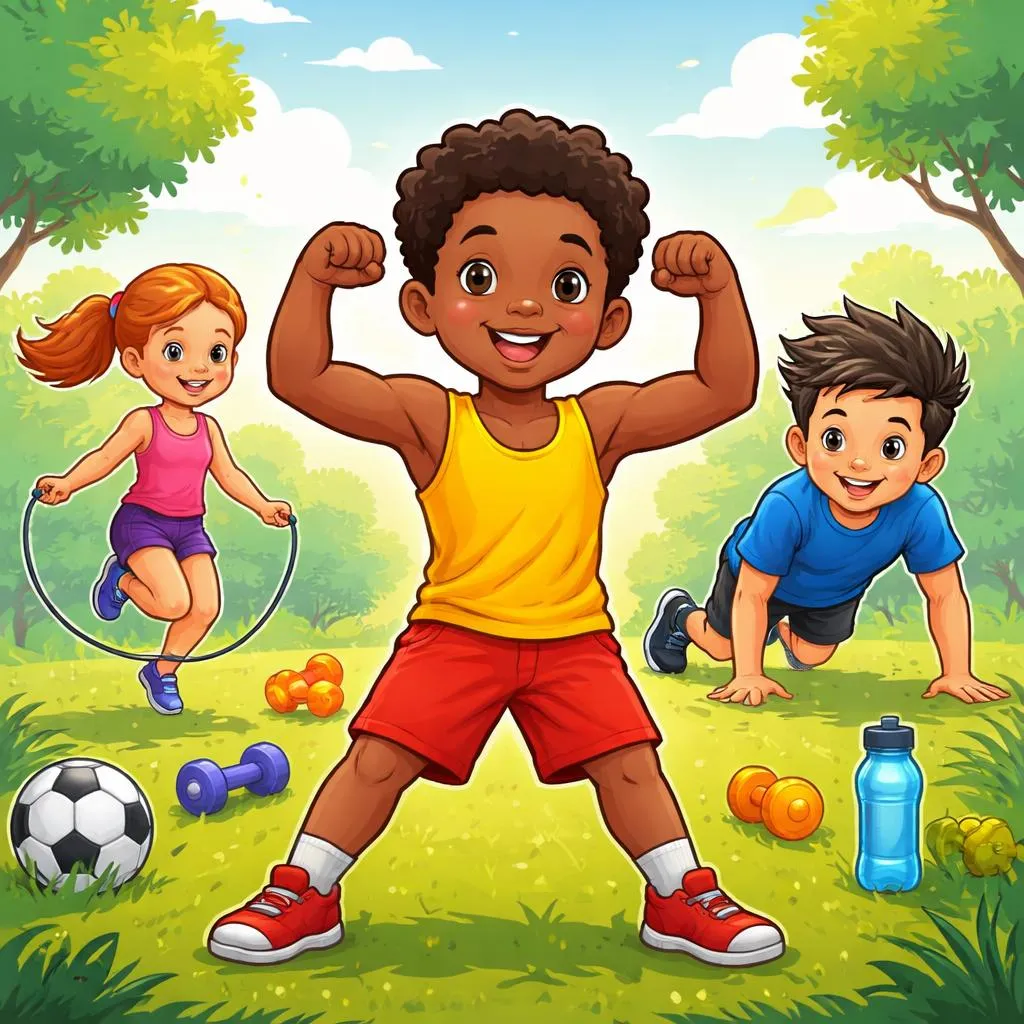

Children love to run, jump, and climb. Two words that describe capable bodies are “fit” and “strong.” These words both mean having physical ability. But they are not exactly the same. Knowing the difference helps kids talk about exercise and sports. It also helps parents encourage healthy habits. This article explores both words in an energetic and friendly way. Parents and children can read together. We will compare meanings, contexts, and easy memory tricks. Let us begin this active learning journey.
Are Similar Words Really Interchangeable? English has many word pairs that seem identical. “Fit” and “strong” both mean your body works well. But you cannot always swap them. Each word carries a unique shade of meaning. Using the wrong word can make your message less clear. Kids need to learn these small differences. It helps them describe what their bodies can do. It also helps them set fitness goals. Parents can point out both words during active play. Say “You are so fit from all that running.” Say “You are strong from climbing the jungle gym.” This builds natural awareness.
Set 1: Fit vs Strong — Which One Is More Common? Let us check how often people use each word. “Strong” appears very frequently in daily talk. You hear it at home, in schools, and on TV. “Strong muscles.” “Strong wind.” “Fit” is also common but appears less often. It sounds slightly more specific to health and exercise. Gyms use “fit.” Coaches use “fit.” Parents can help kids notice this difference. Listen for both words during one active day. Count how many times you hear “strong.” Then count “fit.” This simple game shows kids that frequency matters for real-life English.
Set 2: Fit vs Strong — Same Meaning, Different Contexts Both words mean having physical capability. But the context changes your choice. “Fit” often connects to endurance and overall health. It means your heart and lungs work well. Example: “She is fit enough to run a mile.” “Strong” often connects to power and lifting. It means your muscles can push or pull heavy things. Example: “He is strong enough to carry a heavy box.” Teach kids this difference with a simple question. “Can you do an activity for a long time?” That points to fit. “Can you lift something heavy?” That points to strong.
Set 3: Fit vs Strong — Which Word Is “Bigger” or More Emphatic? Some body words feel broader than others. “Fit” describes overall health. A fit person has good endurance, flexibility, and strength. “Strong” describes one specific quality. A strong person might not be fit. They might get tired quickly. So “fit” often feels bigger in scope. Kids can imagine two athletes. Strong is a weightlifter. Fit is a soccer player who runs all game. This image helps them understand the difference in breadth.
Set 4: Fit vs Strong — Concrete vs Abstract Concrete words connect to clear, physical things. Abstract words connect to ideas and states. Both words are very concrete. You can see strong muscles. You can see a fit person running without getting tired. “Strong” is more visible. You can point to a bicep. “Fit” is slightly more abstract because it includes endurance. You cannot see someone’s stamina directly. Kids grasp concrete words first. So “strong” for visible power may come earlier. As children grow, introduce “fit” as the word for overall active health.
Set 5: Fit vs Strong — Verb or Noun? First Understand the Role Both words are adjectives. They describe people or bodies. Their noun forms are different. “Fit” becomes “fitness.” “Strong” becomes “strength.” Knowing the roots helps kids build vocabulary. You can say “Fitness helps you stay fit.” You can say “Strength training makes you strong.” Parents can play a word-family game. Say a noun. Ask the child to make an adjective. Fitness becomes fit. Strength becomes strong. Then use both in one sentence. “Fitness made him fit.” “Strength made her strong.”
Set 6: Fit vs Strong — American English vs British English English varies across countries. American and British speakers use these words almost the same way. Both use “fit” and “strong” frequently. However, British English sometimes uses “fit” to mean “attractive” as slang. Americans use this slang too but less often. For health meanings, both dialects agree. “Strong” carries the same meaning everywhere. Spelling does not change. Parents can show kids movies or shows from both countries. Listen for how characters describe athletic people. This teaches that most fitness words work the same across English.
Set 7: Fit vs Strong — Which Fits Formal Situations? Formal situations need careful word choice. Writing a school report. Speaking to a coach. Describing physical education progress. “Fit” fits very well in formal health settings. Example: “The student maintains a fit lifestyle through regular exercise.” “Strong” is also fine and very common. “The child demonstrates strong gross motor skills.” For medical or educational reports, both work well. Choose “fit” for cardiovascular health. Choose “strong” for muscular ability. Kids can practice writing two formal sentences. One using “fit.” One using “strong.” Compare which describes endurance and which describes power.
Set 8: Fit vs Strong — Which One Is Easier for Kids to Remember? Kids remember words that connect to their daily play. “Fit” has one syllable. “Strong” has one syllable as well. Both are short. “Strong” appears in many daily phrases. “Strong like a superhero.” “Strong muscles.” This link to heroes helps memory. “Fit” sounds like “fitness” and “fit in.” You can say “Fit means your body fits what you want to do.” For very young learners, start with “strong.” Use it during play. “You are strong to lift that toy.” For older kids, introduce “fit” for running and playing without getting tired. Praise them when they try it.
Mini Exercise: Can You Spot the Differences Between These Similar Words? Let us practice together. Read each sentence. Choose “fit” or “strong.” Answers are at the bottom.
She can run for twenty minutes without stopping. She is very ______.
He lifted the heavy chair easily. He is so ______.
The soccer player stayed ______ for the whole game.
My dad can carry two grocery bags in each hand. He is ______.
After months of swimming, her body became lean and ______.
The weightlifter has ______ arms and legs.
Answers: 1 fit, 2 strong, 3 fit, 4 strong, 5 fit, 6 strong
Discuss each answer with your child. Ask why one word fits better. Talk about endurance versus power. This turns learning into an active family conversation.
Parent Tips: How to Help Kids Learn and Remember Similar Words Parents can make vocabulary building part of active play. First, use both words in your daily talks. Say “Let us get fit by walking every day.” Say “You are strong when you help carry the groceries.” Kids absorb what they hear. Second, create a fitness chart. Draw a heart for “fit” (endurance). Draw an arm muscle for “strong” (power). Third, read picture books about sports or superheroes. Pause when a character shows physical ability. Ask “Is the character fit or strong?” Fourth, play the “Long vs Heavy” game. Doing something a long time equals fit. Lifting something heavy equals strong. Fifth, celebrate every correct use. A fun workout or a superhero pose works wonders.
Children benefit from understanding both fit and strong. These words help them describe their amazing bodies. Giving kids the right tools empowers them. They can tell you about their running and jumping. They can explain what they want to get better at. They can understand sports and games better. Keep practicing together. Keep moving and playing. Your child’s vocabulary will grow. And so will their confidence in their own fit, strong, capable, wonderful body.