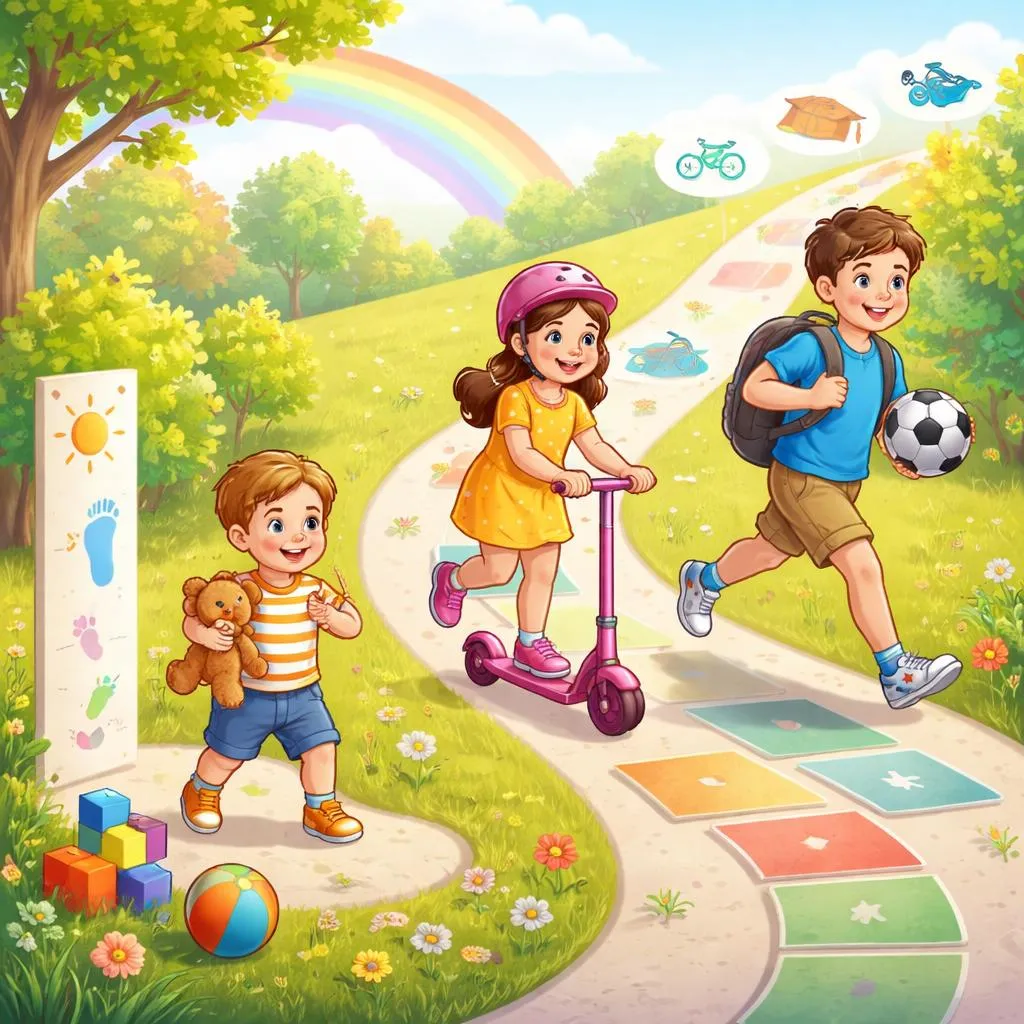

Children grow through many stages. Two words that describe young children are “toddler” and “youngster.” These words both mean a child who is not a baby and not a teen. But they are not exactly the same. Knowing the difference helps kids understand their own growth. It also helps parents talk about development. This article explores both words in a warm and clear way. Parents and children can read together. We will compare meanings, contexts, and easy memory tricks. Let us begin this growing-up learning journey.
Are Similar Words Really Interchangeable? English has many word pairs that seem identical. “Toddler” and “youngster” both mean a young child. But you cannot always swap them. Each word carries a unique shade of meaning. Using the wrong word can make your message less clear. Kids need to learn these small differences. It helps them describe themselves and their friends. It also helps them understand stories and conversations. Parents can point out both words during daily moments. Say “You were a toddler once.” Say “That youngster is very kind.” This builds natural awareness.
Set 1: Toddler vs Youngster — Which One Is More Common? Let us check how often people use each word. “Toddler” appears very frequently in daily talk. You hear it at home, in schools, and on TV. “Toddler toys.” “Toddler tantrums.” “Youngster” is less common. It sounds slightly more old-fashioned or formal. News uses “youngster.” Coaches use “youngster.” Parents can help kids notice this difference. Listen for both words during one family week. Count how many times you hear “toddler.” Then count “youngster.” This simple game shows kids that frequency matters for real-life English.
Set 2: Toddler vs Youngster — Same Meaning, Different Contexts Both mean a young child. But the context changes your choice. “Toddler” specifically means a child who is learning to walk, usually ages 1 to 3. Example: “The toddler took his first steps.” “Youngster” is a general term for any child or young person, from toddler to teen. Example: “The youngster won the spelling bee.” Teach kids this difference with a simple question. “Is the child just learning to walk?” That points to toddler. “Is the child any age from 1 to about 16?” That points to youngster.
Set 3: Toddler vs Youngster — Which Word Is “Bigger” or More Emphatic? Some young-child words feel more about age range than others. “Toddler” is very specific (1-3 years). “Youngster” is broad (toddler to teen). So “youngster” covers a much larger age range. Kids can imagine two groups. Toddler is a wobbly walker. Youngster is any child from wobbly to almost grown. This image helps them understand the difference in scope.
Set 4: Toddler vs Youngster — Concrete vs Abstract Concrete words connect to clear, physical things. Abstract words connect to ideas and concepts. Both words are concrete. You can see a toddler. You can talk to a youngster. Both describe real children. So both are easy for kids to understand. “Toddler” is more specific about the wobbly-walking stage. “Youngster” is more general.
Set 5: Toddler vs Youngster — Verb or Noun? First Understand the Role Both words are nouns. “Toddler” comes from the verb “to toddle” (to walk unsteadily). “Youngster” comes from “young” + “-ster” (a person who is young). Knowing the roots helps kids build vocabulary. You can say “Toddle means to walk like a toddler.” You can say “Young means like a youngster.” Parents can play a word-family game. Say a verb. Ask the child to make a noun. Toddle becomes toddler. Young becomes youngster. Then use both in one sentence. “The toddler is a very young youngster.”
Set 6: Toddler vs Youngster — American English vs British English English varies across countries. American and British speakers use these words with slight differences. “Toddler” is universal in both dialects. “Youngster” is used more in British English, especially in sports. “A promising youngster” is common in UK soccer. Americans use “youngster” too but less often. Spelling does not change. Parents can show kids movies or shows from both countries. Listen for how characters describe young children. This teaches that “toddler” is common everywhere while “youngster” is more common in British English.
Set 7: Toddler vs Youngster — Which Fits Formal Situations? Formal situations need careful word choice. Writing a school report. Speaking to a teacher. Describing age. “Toddler” fits well in formal developmental contexts. Example: “The toddler demonstrated fine motor skills.” “Youngster” sounds less formal and more conversational. “The youngster showed great improvement” works in informal reports. For medical or developmental writing, choose “toddler.” For general descriptions, “youngster” is fine. Kids can practice writing two formal sentences. One using “toddler.” One using “youngster.” Compare which is more specific about age.
Set 8: Toddler vs Youngster — Which One Is Easier for Kids to Remember? Kids remember words that connect to their daily lives. “Toddler” has two syllables. “Youngster” has two syllables as well. Both are short. “Toddler” sounds like “toddle” (wobbly walk). You can say “Toddler means a child who toddles.” “Youngster” sounds like “young” and “ster.” You can say “Youngster means a young person.” For very young learners, start with “toddler” for the wobbly-walking stage. Use it when you see a little one learning to walk. “Look at that toddler.” For older kids, introduce “youngster” as a general term for any young person. Praise them when they try it.
Mini Exercise: Can You Spot the Differences Between These Similar Words? Let us practice together. Read each sentence. Choose “toddler” or “youngster.” Answers are at the bottom.
The ______ held the railing as he climbed the stairs.
The coach said the ______ had great potential for the team.
My little brother is a ______. He just turned two.
The summer camp is for ______ aged 6 to 12.
The ______ spilled his juice for the third time today.
That ______ is very polite for a ten-year-old.
Answers: 1 toddler, 2 youngster, 3 toddler, 4 youngsters, 5 toddler, 6 youngster
Discuss each answer with your child. Ask why one word fits better. Talk about the wobbly-walking stage versus any young person. This turns learning into a growing-up family conversation.
Parent Tips: How to Help Kids Learn and Remember Similar Words Parents can make vocabulary building part of watching children grow. First, use both words in your daily talks. Say “You were a toddler when you learned to walk.” Say “That youngster helped carry the groceries.” Kids absorb what they hear. Second, create a growth chart. Draw wobbly footprints for “toddler” (learning to walk). Draw a growing plant for “youngster” (any young person). Third, read picture books about growing up. Pause when a child is described. Ask “Is it a toddler or a youngster?” Fourth, play the “Wobbly vs Any” game. Learning to walk equals toddler. Any young person equals youngster. Fifth, celebrate every correct use. A proud high-five or a “you are growing so well” smile works wonders.
Children benefit from understanding both toddler and youngster. These words help them see their own growth. Giving kids the right tools empowers them. They can remember being a toddler. They can call themselves a youngster. They can understand that every stage of growing up has a name. Keep practicing together. Keep celebrating every wobbly step and every young adventure. Your child’s vocabulary will grow. And so will their understanding of the wonderful journey from toddler to youngster to the amazing person they are becoming.