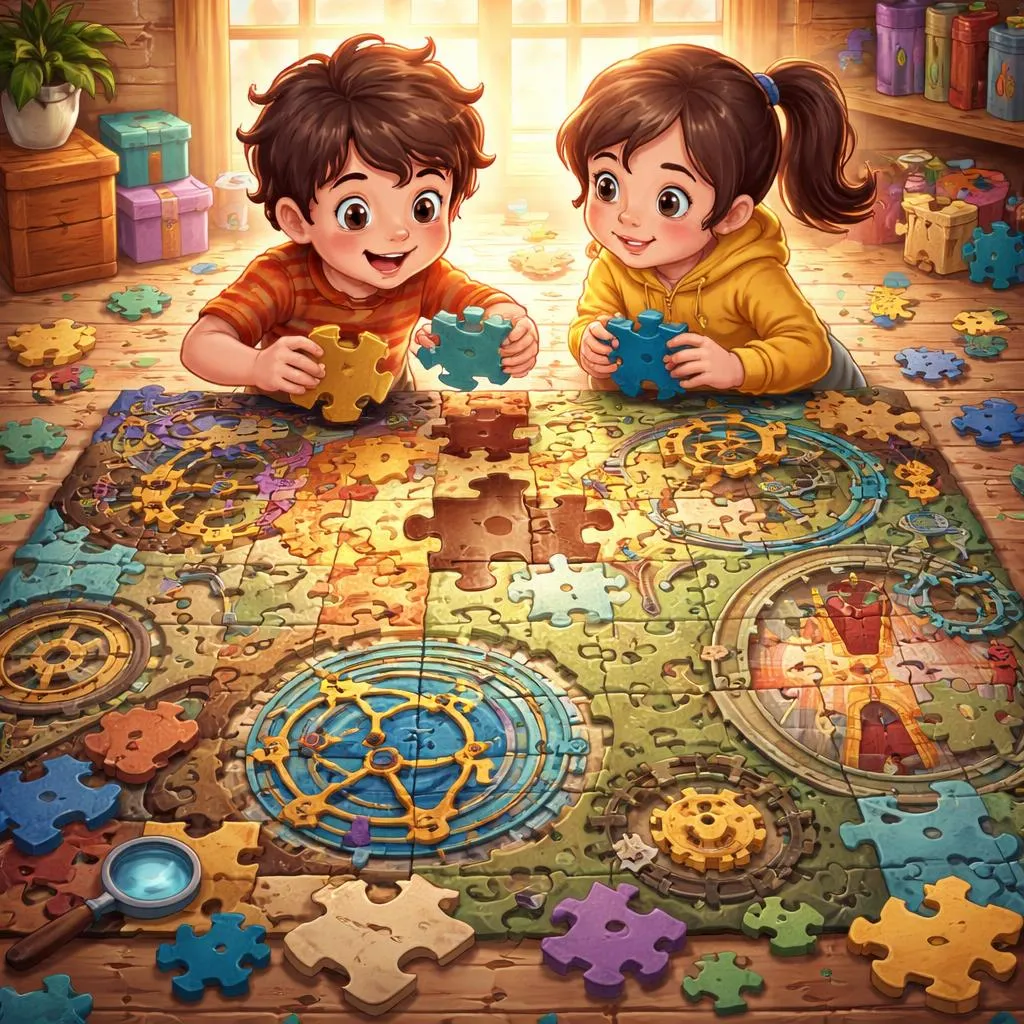

Some puzzles and projects have many parts. Two words that describe many parts are “complex” and “elaborate.” These words both mean having many details. But they are not exactly the same. Knowing the difference helps kids talk about hard tasks. It also helps parents understand what challenges a child. This article explores both words in a clear and encouraging way. Parents and children can read together. We will compare meanings, contexts, and easy memory tricks. Let us begin this detailed learning journey.
Are Similar Words Really Interchangeable? English has many word pairs that seem identical. “Complex” and “elaborate” both mean having many parts or details. But you cannot always swap them. Each word carries a unique shade of meaning. Using the wrong word can make your message less clear. Kids need to learn these small differences. It helps them describe hard homework or fancy art. It also helps them ask for help. Parents can point out both words during daily moments. Say “This math problem is complex.” Say “She made an elaborate drawing.” This builds natural awareness.
Set 1: Complex vs Elaborate — Which One Is More Common? Let us check how often people use each word. “Complex” appears very frequently in daily talk. You hear it at home, in schools, and on TV. “Complex problem.” “Complex system.” “Elaborate” is less common. It sounds slightly more specific to design or plans. Art shows use “elaborate.” Party planning uses “elaborate.” Parents can help kids notice this difference. Listen for both words during one family week. Count how many times you hear “complex.” Then count “elaborate.” This simple game shows kids that frequency matters for real-life English.
Set 2: Complex vs Elaborate — Same Meaning, Different Contexts Both mean having many parts. But the context changes your choice. “Complex” often describes problems, systems, or ideas that are hard to understand. Example: “The science experiment had a complex setup.” “Elaborate” often describes decorations, plans, or designs that are detailed and fancy. Example: “The birthday cake had an elaborate design with flowers.” Teach kids this difference with a simple question. “Is this hard to understand?” That points to complex. “Is this detailed and fancy?” That points to elaborate.
Set 3: Complex vs Elaborate — Which Word Is “Bigger” or More Emphatic? Some detailed words feel more difficult than others. “Complex” often means hard to figure out. It can be frustrating. “Elaborate” often means carefully made. It can be impressive. So “complex” often feels more about difficulty. Kids can imagine two machines. Complex is a tangled mess of wires. Elaborate is a beautiful clock with many tiny gears. This image helps them understand the difference in feeling.
Set 4: Complex vs Elaborate — Concrete vs Abstract Concrete words connect to clear, physical things. Abstract words connect to ideas and concepts. “Elaborate” can be very concrete. You can see an elaborate cake. You can touch an elaborate costume. “Complex” is more abstract. It describes the nature of a problem or idea. You cannot see complexity. You feel it when you try to solve it. Kids grasp concrete words first. So “elaborate” for physical details may come earlier. As children grow, introduce “complex” for hard ideas and problems.
Set 5: Complex vs Elaborate — Verb or Noun? First Understand the Role Both words are adjectives. They describe things, problems, or designs. Their noun forms are different. “Complex” becomes “complexity.” “Elaborate” becomes “elaboration.” Knowing the roots helps kids build vocabulary. You can say “Complexity means being complex.” You can say “Elaboration means being elaborate.” Parents can play a word-family game. Say a noun. Ask the child to make an adjective. Complexity becomes complex. Elaboration becomes elaborate. Then use both in one sentence. “Complexity made the puzzle complex.” “Elaboration made the design elaborate.”
Set 6: Complex vs Elaborate — American English vs British English English varies across countries. American and British speakers use these words almost the same way. Both use “complex” and “elaborate” frequently. However, British English sometimes uses “elaborate” as a verb more often. “Let me elaborate” means explain more. Americans use this too. “Complex” carries the same meaning in both dialects. Spelling does not change. Parents can show kids movies or shows from both countries. Listen for how characters describe hard problems or fancy designs. This teaches that most detailed words work the same across English.
Set 7: Complex vs Elaborate — Which Fits Formal Situations? Formal situations need careful word choice. Writing a school report. Speaking to a teacher. Describing difficulty. Both words work well in formal settings. “Complex” sounds very academic. Example: “The student solved a complex equation.” “Elaborate” sounds descriptive. “The project had an elaborate display.” For academic writing, choose “complex” for difficulty. Choose “elaborate” for detailed design. Kids can practice writing two formal sentences. One using “complex.” One using “elaborate.” Compare which describes difficulty and which describes detail.
Set 8: Complex vs Elaborate — Which One Is Easier for Kids to Remember? Kids remember words that connect to their daily lives. “Complex” has two syllables. “Elaborate” has four syllables. Shorter is easier. “Complex” sounds like “com” (together) and “plex” (woven). You can say “Complex means woven together in a hard way.” “Elaborate” is longer but sounds like “labor” (work). You can say “Elaborate means took a lot of work to make detailed.” For very young learners, start with “complex” for hard puzzles. Use it for difficult tasks. “This maze is complex.” For older kids, introduce “elaborate” for fancy, detailed things. Praise them when they try it.
Mini Exercise: Can You Spot the Differences Between These Similar Words? Let us practice together. Read each sentence. Choose “complex” or “elaborate.” Answers are at the bottom.
The scientist explained a ______ theory about black holes.
The wedding cake had an ______ design with sugar flowers.
The math problem was too ______ for the first grader.
She planned an ______ party with games and decorations.
The human brain is a ______ organ with billions of connections.
The costume took weeks to make with its ______ details.
Answers: 1 complex, 2 elaborate, 3 complex, 4 elaborate, 5 complex, 6 elaborate
Discuss each answer with your child. Ask why one word fits better. Talk about hard-to-understand versus detailed and fancy. This turns learning into a detailed family conversation.
Parent Tips: How to Help Kids Learn and Remember Similar Words Parents can make vocabulary building part of problem-solving and creating. First, use both words in your daily talks. Say “This puzzle is complex. Let us work on it together.” Say “Your drawing is so elaborate with all those colors.” Kids absorb what they hear. Second, create a detail chart. Draw a tangled knot for “complex” (hard to understand). Draw a fancy flower for “elaborate” (detailed and fancy). Third, read picture books about science or art. Pause when something has many parts. Ask “Is it complex or elaborate?” Fourth, play the “Hard vs Fancy” game. Hard to understand equals complex. Detailed and fancy equals elaborate. Fifth, celebrate every correct use. A proud high-five or a “great job” works wonders.
Children benefit from understanding both complex and elaborate. These words help them describe the world. Giving kids the right tools empowers them. They can tell you when homework feels complex. They can describe an elaborate drawing. They can understand stories about science and art better. Keep practicing together. Keep celebrating both solving complex problems and creating elaborate designs. Your child’s vocabulary will grow. And so will their ability to name the challenges and beauties in their wonderfully detailed, complex, and elaborate world.