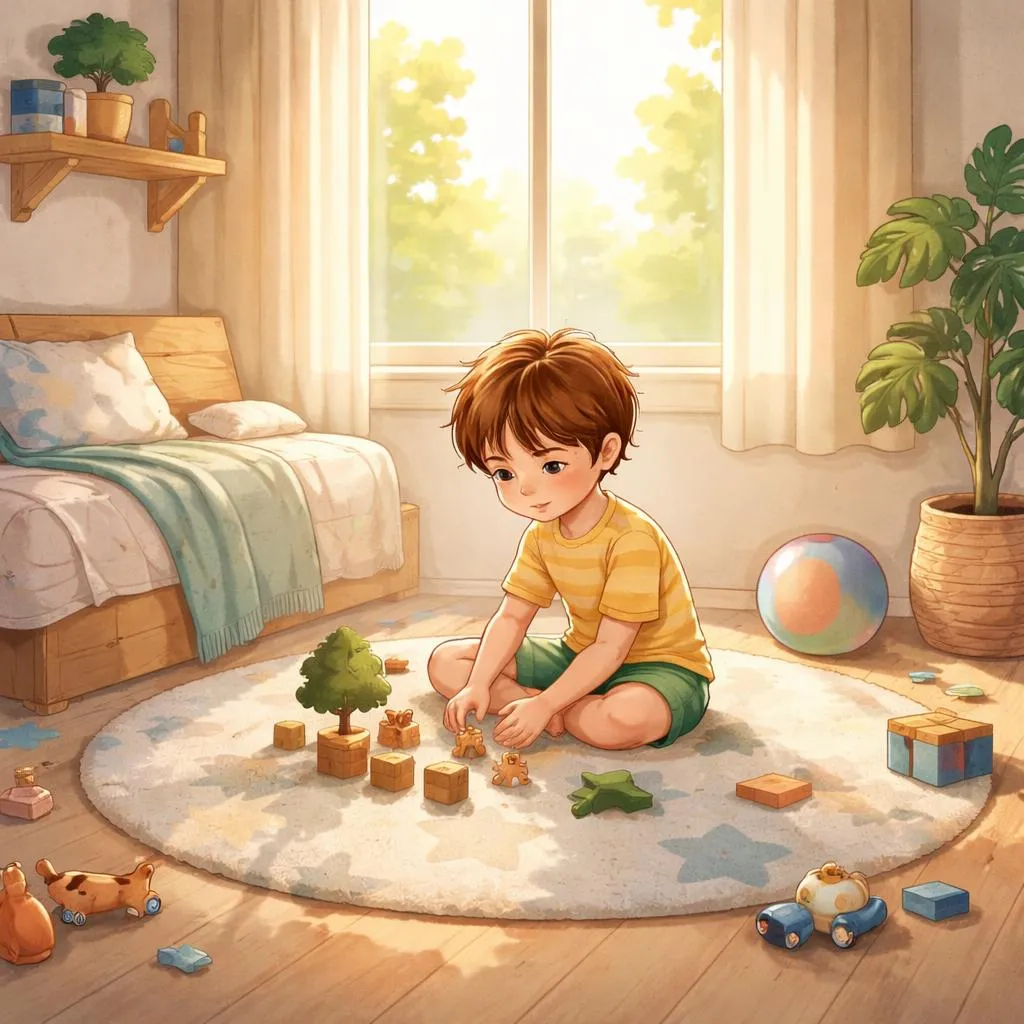

Playing alone can be very enjoyable. Two words that describe being alone are “single” and “solitary.” These words both mean one or alone. But they are not exactly the same. Knowing the difference helps kids talk about their need for alone time. It also helps parents respect independent play. This article explores both words in a gentle and understanding way. Parents and children can read together. We will compare meanings, contexts, and easy memory tricks. Let us begin this peaceful learning journey.
Are Similar Words Really Interchangeable? English has many word pairs that seem identical. “Single” and “solitary” both mean one or alone. But you cannot always swap them. Each word carries a unique shade of meaning. Using the wrong word can make your message less clear. Kids need to learn these small differences. It helps them describe their preferences for playing or working alone. It also helps them understand when they need quiet time. Parents can point out both words during daily moments. Say “I have a single cookie left.” Say “He enjoys solitary walks.” This builds natural awareness.
Set 1: Single vs Solitary — Which One Is More Common? Let us check how often people use each word. “Single” appears very frequently in daily talk. You hear it at home, in schools, and on TV. “Single parent.” “Single use.” “Solitary” is less common. It sounds more specific to being alone or isolated. Nature uses “solitary.” Psychology uses “solitary.” Parents can help kids notice this difference. Listen for both words during one family week. Count how many times you hear “single.” Then count “solitary.” This simple game shows kids that frequency matters for real-life English.
Set 2: Single vs Solitary — Same Meaning, Different Contexts Both mean one or alone. But the context changes your choice. “Single” often describes one item or one person in a group. It focuses on number. Example: “A single flower grew in the pot.” “Solitary” often describes a preference or state of being alone. It focuses on isolation. Example: “The solitary wolf wandered alone.” Teach kids this difference with a simple question. “Are you counting one thing?” That points to single. “Are you describing being alone?” That points to solitary.
Set 3: Single vs Solitary — Which Word Is “Bigger” or More Emphatic? Some one-thing words feel more about loneliness than others. “Single” is neutral about the feeling. A single shoe is just one. “Solitary” often carries a feeling of being alone, sometimes by choice. So “solitary” often feels more about the experience of aloneness. Kids can imagine two situations. Single is one cookie on a plate. Solitary is one child playing quietly in a corner by choice. This image helps them understand the difference in feeling.
Set 4: Single vs Solitary — Concrete vs Abstract Concrete words connect to clear, physical things. Abstract words connect to ideas and concepts. “Single” can be very concrete. You can see a single tree. You can touch a single block. “Solitary” is more abstract. It describes a state of being or a personality trait. You cannot see solitary. You observe a solitary person. Kids grasp concrete words first. So “single” for one physical thing may come earlier. As children grow, introduce “solitary” for the experience of being alone.
Set 5: Single vs Solitary — Verb or Noun? First Understand the Role Both words are adjectives. They can also be nouns. “Single” can be a noun. “He is a single” (unmarried person). “Solitary” can be a noun too. “The prisoner was in solitary” (solitary confinement). Knowing the roles helps kids build vocabulary. Parents can play a word-family game. Say a sentence. Ask the child to identify if “single” or “solitary” fits. Then use both in one sentence. “A single person can enjoy solitary time.”
Set 6: Single vs Solitary — American English vs British English English varies across countries. American and British speakers use these words almost the same way. Both use “single” and “solitary” frequently. However, British English sometimes uses “solitary” more in nature writing. “A solitary oak tree” is common in British literature. Americans use this too. “Single” carries the same meaning in both dialects. Spelling does not change. Parents can show kids movies or shows from both countries. Listen for how characters describe being alone or one thing. This teaches that most alone words work the same across English.
Set 7: Single vs Solitary — Which Fits Formal Situations? Formal situations need careful word choice. Writing a school report. Speaking to a teacher. Describing preferences. Both words work well in formal settings. “Single” sounds more about number. Example: “A single factor influenced the result.” “Solitary” sounds more about state. “The child prefers solitary activities.” For counting, choose “single.” For describing alone-time preference, choose “solitary.” Kids can practice writing two formal sentences. One using “single.” One using “solitary.” Compare which describes number and which describes a state of being alone.
Set 8: Single vs Solitary — Which One Is Easier for Kids to Remember? Kids remember words that connect to their daily lives. “Single” has two syllables. “Solitary” has four syllables. Shorter is much easier. “Single” appears in many daily phrases. “Single sock.” “Single bite.” “Single step.” This repetition makes “single” unforgettable. “Solitary” is longer but sounds like “solo” and “alone.” You can say “Solitary means solo, all alone.” For very young learners, start with “single” for one thing. Use it daily. “You have a single cracker left.” For older kids, introduce “solitary” for enjoying time alone. Praise them when they try it.
Mini Exercise: Can You Spot the Differences Between These Similar Words? Let us practice together. Read each sentence. Choose “single” or “solitary.” Answers are at the bottom.
A ______ star shone brightly in the dark sky.
He took a ______ walk on the beach to clear his mind.
Not a ______ person was left in the room.
The cat led a ______ life, avoiding other animals.
She ate a ______ grape from the bunch.
The ______ figure sat on the bench, reading a book.
Answers: 1 single, 2 solitary, 3 single, 4 solitary, 5 single, 6 solitary
Discuss each answer with your child. Ask why one word fits better. Talk about counting one thing versus the experience of being alone. This turns learning into a peaceful family conversation.
Parent Tips: How to Help Kids Learn and Remember Similar Words Parents can make vocabulary building part of respecting alone time. First, use both words in your daily talks. Say “You have a single piece of toast left.” Say “It is okay to enjoy solitary play sometimes.” Kids absorb what they hear. Second, create an aloneness chart. Draw one dot for “single” (just one). Draw one figure sitting quietly for “solitary” (alone experience). Third, read picture books about independent play or quiet moments. Pause when a character is alone or there is one thing. Ask “Is it single or solitary?” Fourth, play the “Count vs Feel” game. Counting one thing equals single. The feeling or state of being alone equals solitary. Fifth, celebrate every correct use. A proud high-five or a “quiet time is good” smile works wonders.
Children benefit from understanding both single and solitary. These words help them talk about being alone. Giving kids the right tools empowers them. They can ask for a single piece of something. They can explain they enjoy solitary activities. They can understand their own need for quiet time. Keep practicing together. Keep respecting both single items and solitary moments. Your child’s vocabulary will grow. And so will their ability to know the difference between one single thing and the peaceful joy of solitary time in their wonderfully independent, thoughtful, and balanced life.