
Introduction to Luxembourg
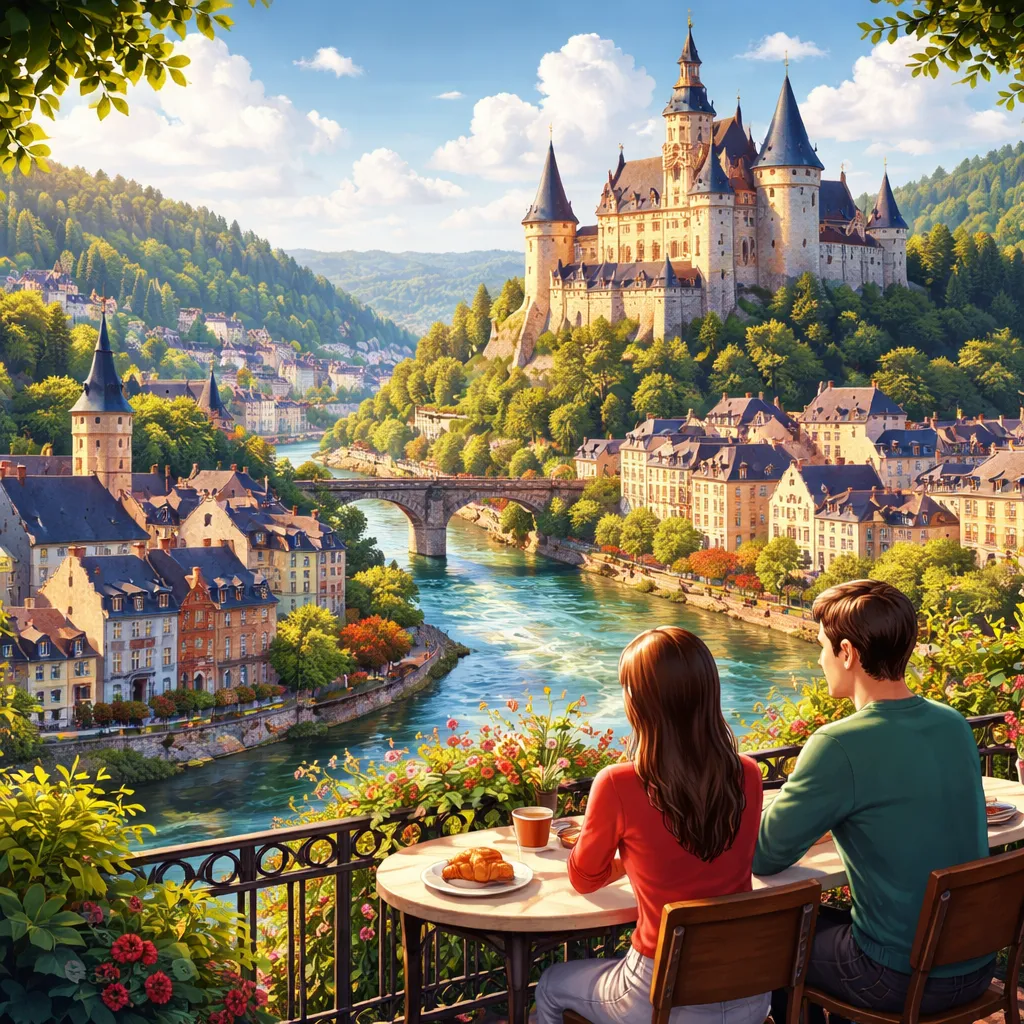
Language learning takes us to places where stories live in every stone. Today we visit a small country with grand castles and green valleys. This nation sits at the heart of Europe. It may be tiny, but it holds great importance. Children will discover a land where people speak multiple languages. They will learn about fortress walls and fairy-tale towers. Exploring Luxembourg builds reading skills while sparking imagination. Every new fact adds wonder to their world. Every word opens a door to a new adventure.
Where Is Luxembourg?
Luxembourg lies in western Europe. It shares borders with Belgium, France, and Germany. The country sits nestled between these three larger nations. Its location makes it a crossroads of cultures. The capital city is also called Luxembourg. People often call it Luxembourg City. The city rests on high cliffs above deep river valleys. Ancient fortifications once protected this spot. The country covers about one thousand square miles. That makes it one of the smallest countries in Europe. Despite its size, Luxembourg holds a powerful place in the region. Finding it on a map shows its central position. Young readers will see how geography connects people and cultures.
Interesting Facts About Luxembourg
Luxembourg offers many fascinating facts for young learners. It is one of the smallest countries in Europe, yet it has one of the highest incomes in the world. The country has three official languages. People speak Luxembourgish, French, and German. Many people also speak English. Another interesting fact involves castles. Luxembourg contains over one hundred castles. Some stand on hilltops with towers reaching for the sky. Others hide in forests and valleys.
The capital city once held the title of Europe's strongest fortress. Old walls and tunnels still wind beneath the streets. People call these underground passages "casemates." Another fun fact involves food. Luxembourg produces a special pastry called "quetschentaart." It is a plum tart enjoyed with coffee. The country also has beautiful forests. The Müllerthal region is known as "Little Switzerland." Visitors hike among rocky trails and waterfalls. Luxembourg also hosts a unique celebration. Each year, people gather for the "Schueberfouer," a large fun fair with rides and games. These facts show children a country where history, nature, and celebration come together.
Key Vocabulary About Luxembourg
Let us learn important words for this country. These words help children describe what they discover.
Fortress: a strong building built for defense.
Casemate: an underground passage or room in a fortress.
Valley: low land between hills or mountains.
Multilingual: able to speak several languages.
Tart: a sweet or savory dish with a filling and open top.
Fortification: a wall or other structure built to defend a place.
Crossroads: a place where different routes or cultures meet.
Introduce these words with pictures and stories. Show a picture of a castle with thick walls. Explain what a fortress meant long ago. Let children say each word aloud. Building vocabulary gives children the words they need to understand and share their learning.
Simple Sentences for Reading Practice
Short sentences help new readers build confidence. Use these sentences about Luxembourg for practice.
Luxembourg is a small country in western Europe.
The capital city is also named Luxembourg.
Three countries border Luxembourg.
People speak Luxembourgish, French, and German.
Over one hundred castles stand in Luxembourg.
The city has old fortress walls and tunnels.
The Müllerthal region offers beautiful hiking trails.
Read each sentence together. Let children point to the words. Encourage them to repeat after you. These simple sentences create a strong foundation for reading longer texts.
Short Reading Passage About Luxembourg
Here is a short passage for children to read together.
“Luxembourg sits in the heart of western Europe. France, Belgium, and Germany surround this small nation. The capital, Luxembourg City, rises on cliffs above deep valleys. Long ago, builders created a mighty fortress here. Today, visitors can walk through underground tunnels called casemates. These passages once protected the city. The country has three official languages. Children learn Luxembourgish, French, and German in school. Many people also speak English. If you travel through the countryside, you will see castles everywhere. Some castles sit on green hills. Others nestle in forests. The Müllerthal region offers rocky paths and small waterfalls. People call it Little Switzerland. Each summer, families enjoy the Schueberfouer. This fair brings rides, games, and music to the capital. Luxembourg may be small, but it holds big adventures.”
Read this passage slowly together. Pause to talk about each idea. Ask children to find vocabulary words in the text. This activity builds reading fluency and deepens understanding.
Fun Questions About Luxembourg
Questions make reading an interactive experience. Use these to engage young learners.
What three countries border Luxembourg?
What is the capital city of Luxembourg?
How many official languages does Luxembourg have?
What do people call the underground tunnels?
How many castles can you find in Luxembourg?
What region is called Little Switzerland?
Let children answer in complete sentences. Encourage them to use new vocabulary. Ask them to imagine walking through a castle. What would they see? What would they hear? Creative questions make the topic come alive.
Tips for Learning English with This Topic
Use Luxembourg to create engaging English learning experiences. Start with a map activity. Let children find Luxembourg and trace its borders. Point to its three neighboring countries. Discuss how being surrounded by different nations led to three languages. This connects geography to culture in a meaningful way.
Next, introduce the vocabulary through a building activity. Let children build a fortress using blocks or cardboard. Talk about why people built strong walls long ago. Use the words "fortress," "fortification," and "casemate" during the activity. Hands-on learning makes words stick.
Read the passage aloud with expression. Let your voice sound mysterious when talking about underground tunnels. Sound excited when mentioning the fun fair. After reading, let children draw a scene from Luxembourg. One child might draw a castle on a hill. Another might draw the Schueberfouer with rides. Let them label their drawings with vocabulary words.
Incorporate a language activity. Talk about how people in Luxembourg learn three languages. Ask children what languages they speak or hear at home. Celebrate multilingualism. This shows children that language learning connects to real lives around the world.
Use music and movement. Play folk music from Luxembourg. Let children move like they are walking through a castle or hiking through Little Switzerland. Physical activity reinforces learning in a joyful way.
Encourage children to share their knowledge. Let them tell a family member about the fortress tunnels or the many castles. Teaching someone else builds confidence and deepens understanding.
Connect Luxembourg to your child's world. Ask, “What is the oldest building near our home?” Talk about how people long ago built structures to protect themselves. Compare that to the fortresses of Luxembourg. Ask about festivals your family enjoys. Compare them to the Schueberfouer. These connections help children see that language learning reading is about understanding people everywhere. By exploring Luxembourg together, you give children a rich experience. They learn new words, discover a land of castles and culture, and grow their love for reading. This small European nation becomes a grand adventure in their minds.