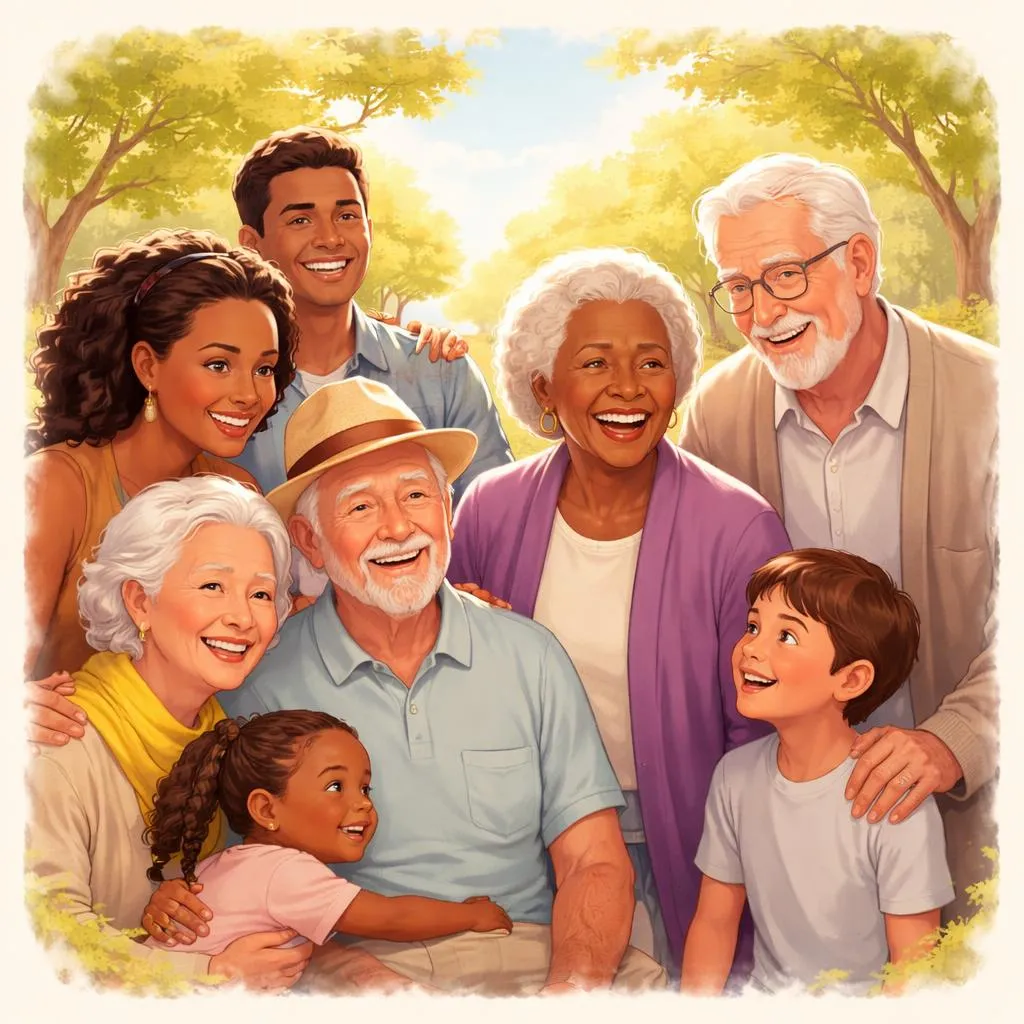

Older adults have lived many years. Two words that describe older adults are “senior” and “elder.” These words both mean a person of advanced age. But they are not exactly the same. Knowing the difference helps kids talk about grandparents with respect. It also helps parents teach kindness. This article explores both words in a gentle and respectful way. Parents and children can read together. We will compare meanings, contexts, and easy memory tricks. Let us begin this respectful learning journey.
Are Similar Words Really Interchangeable?
English has many word pairs that seem identical. “Senior” and “elder” both mean an older person. But you cannot always swap them. Each word carries a unique shade of meaning. Using the wrong word can make your message less clear. Kids need to learn these small differences. It helps them describe family members and neighbors. It also helps them show respect. Parents can point out both words during daily moments. Say “Grandpa is a senior.” Say “The village elder shared stories.” This builds natural awareness.
Set 1: Senior vs Elder — Which One Is More Common?
Let us check how often people use each word. “Senior” appears very frequently in daily talk. You hear it at home, in schools, and on TV. “Senior citizen.” “Senior discount.” “Elder” is less common. It sounds more traditional or cultural. Indigenous communities use “elder.” Religious groups use “elder.” Parents can help kids notice this difference. Listen for both words during one family week. Count how many times you hear “senior.” Then count “elder.” This simple game shows kids that frequency matters for real-life English.
Set 2: Senior vs Elder — Same Meaning, Different Contexts
Both mean an older person. But the context changes your choice. “Senior” is a modern, formal term often used in official contexts. Example: “Seniors get a discount at the movie theater.” “Elder” is a more traditional, respectful term often used for wisdom and leadership. Example: “The tribal elder led the ceremony.” Teach kids this difference with a simple question. “Are you talking in a modern, official way?” That points to senior. “Are you talking about wisdom and tradition?” That points to elder.
Set 3: Senior vs Elder — Which Word Is “Bigger” or More Emphatic?
Some older-person words feel more about respect than others. “Senior” emphasizes age and status (like senior in high school or senior citizen). “Elder” emphasizes wisdom, experience, and community respect. So “elder” often feels more about honor. Kids can imagine two people. Senior is a person getting a discount. Elder is a person everyone comes to for advice. This image helps them understand the difference in respect.
Set 4: Senior vs Elder — Concrete vs Abstract
Concrete words connect to clear, physical things. Abstract words connect to ideas and concepts. Both words describe real people. “Senior” is concrete. You can point to a senior citizen. “Elder” is also concrete but carries abstract ideas of wisdom. You can see an elder. You cannot see their wisdom, but you see its effects. Both are easy for kids to understand with examples.
Set 5: Senior vs Elder — Verb or Noun? First Understand the Role
Both words are nouns and adjectives. “Senior” can also mean older in rank. “Senior manager.” “Elder” can also mean older in family. “Elder brother.” Knowing the roots helps kids build vocabulary. You can say “Senior means older in age or rank.” You can say “Elder means older, often with wisdom.” Parents can play a word-family game. Say a sentence. Ask the child to choose “senior” or “elder.” Then use both in one sentence. “The senior citizen became an elder in her community.”
Set 6: Senior vs Elder — American English vs British English
English varies across countries. American and British speakers use these words with slight differences. “Senior” is very common in American English for older adults. “Senior center,” “senior discount.” British English uses “senior” too but also uses “elderly” more often. “Elder” is used in both dialects for wisdom and tradition. Spelling does not change. Parents can show kids movies or shows from both countries. Listen for how characters describe older adults. This teaches that “senior” is modern and “elder” is traditional in both dialects.
Set 7: Senior vs Elder — Which Fits Formal Situations?
Formal situations need careful word choice. Writing a school report. Speaking to a teacher. Describing older adults. “Senior” fits very well in formal, official settings. Example: “Senior citizens comprise a growing percentage of the population.” “Elder” sounds more traditional and cultural. “The village elder was consulted on important matters.” For government or business contexts, choose “senior.” For cultural or traditional contexts, choose “elder.” Kids can practice writing two formal sentences. One using “senior.” One using “elder.” Compare which sounds modern and which sounds traditional.
Set 8: Senior vs Elder — Which One Is Easier for Kids to Remember?
Kids remember words that connect to their daily lives. “Senior” has two syllables. “Elder” has two syllables as well. Both are short. “Senior” appears in many daily phrases. “Senior year.” “Senior discount.” “Senior center.” This repetition makes “senior” familiar. “Elder” sounds like “elder” and “older.” You can say “Elder means an older, wise person.” For very young learners, start with “senior” for older adults in modern life. Use it when you see a senior discount sign. “Seniors get special prices.” For older kids, introduce “elder” for wisdom and tradition. Praise them when they try it.
Mini Exercise: Can You Spot the Differences Between These Similar Words?
Let us practice together. Read each sentence. Choose “senior” or “elder.” Answers are at the bottom.
The ______ citizens meet at the community center every Tuesday.
The village ______ told stories about the old days.
My grandmother is a ______ who loves bingo.
The tribe respected the ______ for his wisdom.
The store offers a ______ discount every Wednesday.
The church ______ led the prayer service.
Answers: 1 senior, 2 elder, 3 senior, 4 elder, 5 senior, 6 elder
Discuss each answer with your child. Ask why one word fits better. Talk about modern official contexts versus traditional wisdom contexts. This turns learning into a respectful family conversation.
Parent Tips: How to Help Kids Learn and Remember Similar Words
Parents can make vocabulary building part of respecting older adults. First, use both words in your daily talks. Say “Seniors can get discounts at many stores.” Say “In some cultures, elders are the most respected people.” Kids absorb what they hear. Second, create an age chart. Draw a store discount card for “senior” (modern official). Draw a wise face with a storybook for “elder” (traditional wisdom). Third, read picture books about grandparents or different cultures. Pause when an older person appears. Ask “Is it a senior or an elder?” Fourth, play the “Modern vs Traditional” game. Official, modern contexts equal senior. Wisdom, tradition, culture equal elder. Fifth, celebrate every correct use. A proud high-five or a “respect for our elders” smile works wonders.
Children benefit from understanding both senior and elder. These words help them respect older adults. Giving kids the right tools empowers them. They can use “senior” in modern contexts. They can use “elder” when talking about wisdom. They can appreciate the value of age. Keep practicing together. Keep celebrating the seniors and elders in your community—full of stories, wisdom, and love. Your child’s vocabulary will grow. And so will their ability to show respect, use the right word, and honor the wonderful older adults in their world.