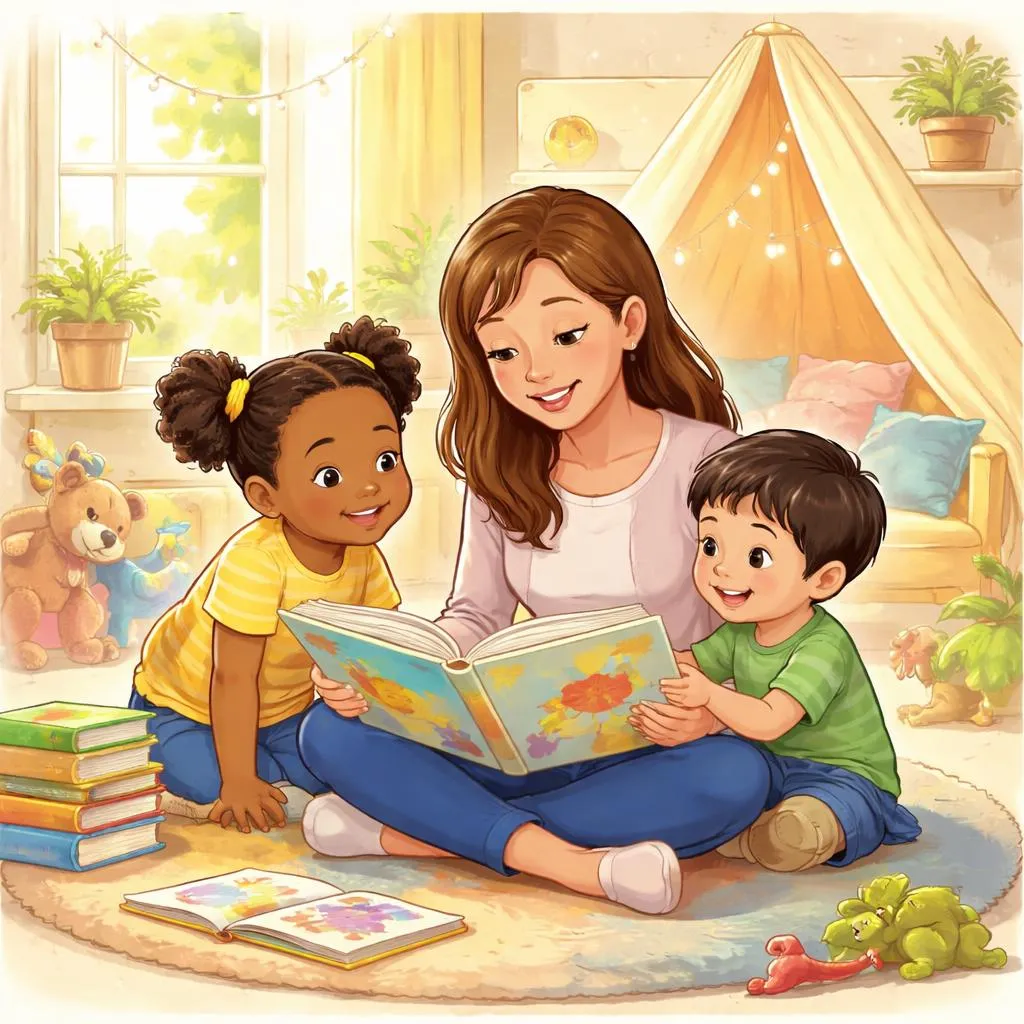

What Do These Expressions Mean? “Let's read” and “let's look at books” both invite someone to share time with written stories. They suggest enjoying books together as an activity. Children hear these words at bedtime, in classrooms, or at the library. Both build a love of stories.
“Let's read” means let us look at the words and follow the story together. It is direct and common. A parent says it when holding a picture book. It focuses on the act of reading.
“Let's look at books” means let us examine the pages and pictures together. It is softer and broader. A parent says it to a very young child who cannot read yet. It focuses on exploring books visually.
These expressions seem similar. Both invite shared time with books. Both build connection and learning. But one is for reading words while one is for looking at pictures.
What's the Difference? One is for reading text. One is for exploring books visually. “Let's read” works when the child can follow words. It includes sounding out, following along, and understanding text. It is for learning to read.
“Let's look at books” works for any age, especially babies and toddlers. It means pointing at pictures, turning pages, and naming things. It is for pre-reading skills. It is gentler and less demanding.
Think of a child learning to read. “Let's read this page together” is perfect. “Let's look at the pictures” also works. One teaches words. One teaches joy of books.
One is for older children. One is for all ages. “Let's read” is for children who can already read or are learning. “Let's look at books” is for every child, even babies. Choose based on the child's age and mood.
Also, “let's look at books” includes any book, even without words. Wordless picture books are perfect for looking. “Let's read” needs words on the page. Match the phrase to the book.
When Do We Use Each One? Use “let's read” when you want to focus on the text. Use it for bedtime stories, school books, or new readers. Use it when the child can follow the words. It fits learning moments.
Examples at home: “Let's read this chapter together.” “Let's read the words on this page.” “Let's read. You read one page, and I will read the next.”
Use “let's look at books” for any age, especially young children. Use it for babies, toddlers, or relaxing time. Use it when you want to focus on pictures and colors. It fits cozy exploring.
Examples for exploring: “Let's look at books on the couch.” “Let's look at books and find the blue bird.” “Let's look at books together. You can turn the pages.”
Children need both phrases. “Let's read” for learning words. “Let's look at books” for loving books. Both grow a reader.
Example Sentences for Kids Let's read: “Let's read this story about a dragon.” “Let's read together before bed.” “Let's read. I will help you with the hard words.”
Let's look at books: “Let's look at books and point to the animals.” “Let's look at books while we snuggle.” “Let's look at books. You can choose which one.”
Notice “let's read” sounds like a teacher or a parent helping with words. “Let's look at books” sounds like a cozy cuddle time. Children learn both. Both build a love for books.
Parents can use both. “Let's read this page” (learning to read). “Let's look at the pictures” (baby time). Children learn different ways to enjoy books.
Common Mistakes to Avoid Some children say “let's read” when they mean “let's look at books.” That is fine, but very young children may get frustrated. If the child cannot read words, say “let's look at books” first. It is gentler and builds confidence.
Wrong: “Let's read” (to a toddler who cannot read). Better: “Let's look at books. I will tell you what the pictures show.”
Another mistake: saying “let's look at books” when the child wants to read. If the child knows how to read, offer “let's read.” Respect their growing skill. Match the invitation to their ability.
Wrong: “Let's look at books” (to a child who wants to sound out words). Right: “Let's read this. You try the first word.”
Some learners forget that both are good. Reading is a skill. Looking at books is a joy. Every reader started by looking. Celebrate both stages.
Also avoid forcing reading when a child just wants to look. If they are tired, say “let's look at books.” Reading takes work. Looking is rest. Both are okay.
Easy Memory Tips Think of “let's read” as a pair of glasses. The glasses help you see the words. You focus on the text. Learning skill.
Think of “let's look at books” as a warm blanket. The blanket wraps around you both. You point at pictures. You smile. Cozy joy.
Another trick: remember the goal. “Read” is for words. “Look at books” is for pictures and pages. Words get “read.” Pictures get “look at books.”
Parents can say: “Read for the head. Look for the bed.” That means learning to read gets “let's read.” Bedtime cuddles with pictures get “let's look at books.”
Practice at book time. With a new reader: “let's read.” With a baby: “let's look at this book.” Two different invitations. One love of stories.
Quick Practice Time Let us try a small exercise. Choose the better phrase for each situation.
Your child is learning to sound out words. They have a book with simple sentences. a) “Let's look at books.” b) “Let's read this together. You sound out the first word.”
Your baby wants to sit on your lap and touch a board book with animal pictures. a) “Let's read the hard words.” b) “Let's look at books. Where is the cow?”
Answers: 1 – b. A child learning to read fits “let's read.” 2 – b. A baby exploring pictures fits “let's look at books.”
Fill in the blank: “When my child is sounding out words, I say ______.” (“Let's read” fits the focused, skill-building moment.)
One more: “When my toddler wants to snuggle and point at pictures, I say ______.” (“Let's look at books” fits gentle, pre-reading joy.)
Books are magic. “Let's read” opens the door to words. “Let's look at books” opens the door to wonder. Teach your child both. Every page turned is a memory made.
Wrap-up “Let's read” invites focused attention on words and text. “Let's look at books” invites joyful exploration of pictures and pages. Use “let's read” for children learning to read or following a story. Use “let's look at books” for babies, toddlers, or cozy picture time. Both phrases build a love of books. A child who loves books will never be lonely.