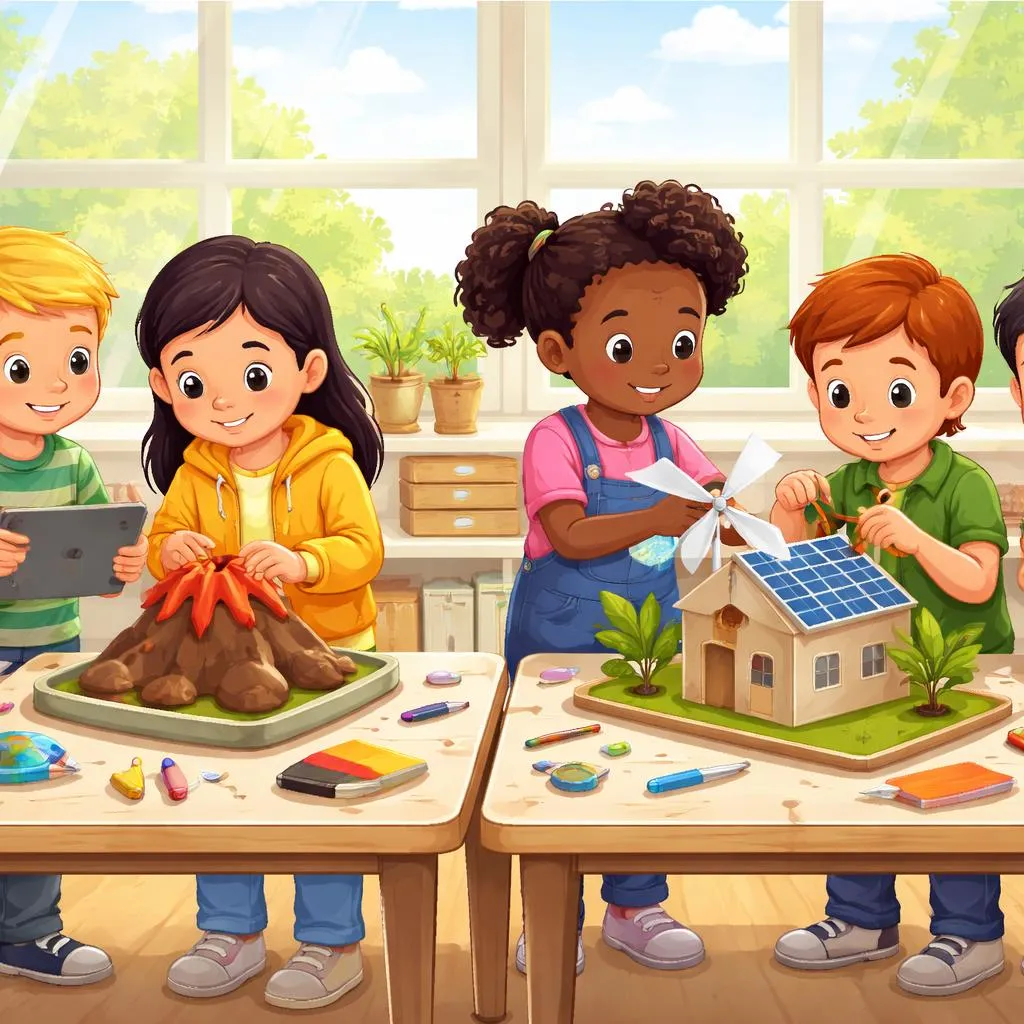

Welcome to our teamwork clubhouse. Today we meet Mia, a girl who loves group projects. Last Tuesday, Mia worked with Leo on a volcano model. Leo struggled with the paper-maché. Mia grabbed extra newspaper strips. She said, "I am helping to build the base faster." Later, Leo tried to paint lava flows. His hand shook. Mia held his wrist steady. She said, "I am assisting to make the lines smoother." See the difference? One jumped in fully. The other supported carefully. Let us explore why.
Understanding Helping To And Assisting To
Helping To Means Jumping In To Do Part Of The Work
Imagine your friend drops all their books. You pick up half. This is helping to gather. You share the load.
Think of baking cookies together. You measure flour while they crack eggs. This is helping to mix. You divide tasks.
Picture carrying a heavy box. You take one end. This is helping to lift. You share effort equally.
Assisting To Means Supporting Someone While They Lead
Now imagine your friend paints a picture. You hold the paint tray. This is assisting to stabilize. They control the brush.
Think of a teacher grading papers. You pass out clean sheets. This is assisting to organize. They make decisions.
Consider a coach running drills. You demonstrate the move. This is assisting to model. They guide the team.
How To Tell Them Apart Fast
Helping shares the main work. Assisting supports from the side. Ask yourself: Am I doing part of the core job? If yes, it is helping. Am I making their job easier? If yes, it is assisting.
Helping feels like a teammate. Assisting feels like a supporter. One works beside you. The other works behind you.
Remember the control. Helpers share ownership. Assistants follow the leader. Look at who decides.
Three Real Life Scenarios
Scene one happens in art class. Mia and Leo build dioramas. Mia cuts animals. Leo glues trees. Mia sees Leo struggling with tiny leaves. She takes half the leaves. She says, "I am helping to glue these faster." They finish together.
Scene two happens at recess. Leo tries a new skateboard trick. He wobbles. Mia skates close. She holds his elbow lightly. She says, "I am assisting to keep you balanced." Leo lands the trick. He thanks Mia.
Scene three happens at home. Mom cleans the garage. She carries boxes. Mia moves smaller items. Mom says, "You are helping to clear space." Later, Mom climbs a ladder. Mia holds the bottom steady. She says, "I am assisting to keep you safe." Mom smiles down.
Notice the shift. Shared work first. Supportive aid second. Choose your phrase based on involvement.
Common Mistakes And How To Fix Them
Mistake one: Saying "I am assisting to carry these groceries." Why it is wrong: Carrying is core work. Assisting is support. Correct alternative: "I am helping to carry groceries." Memory trick: Assisting is for tricky parts; helping is for heavy parts.
Mistake two: Saying "I am helping to hold the ladder." Why it is wrong: Holding a ladder is safety support. Correct alternative: "I am assisting to keep the ladder steady." Memory trick: Helping shares the main task; assisting protects the worker.
Mistake three: Saying "She is assisting to write the report." Why it is wrong: Writing is the main job. Assisting should support research. Correct alternative: "She is helping to write the report." Memory trick: If you do the core action, it is helping.
Memory trick: Think of a tandem bike. Helping is pedaling together. Assisting is adjusting the gears. Your muscles know the difference.
Fun Activities To Master These Words
Activity one is a motion game. I say a word. You act it out. Helping? Pretend to lift a heavy box with a friend. Assisting? Pretend to steady a friend's hand while they draw. We laugh together.
Activity two is a story chain. Start with "I helped my dad fix the sink by..." The next person adds "Then I assisted him by..." Use silly verbs. Giggle at the images.
Activity three is a drawing race. Draw someone helping wash a dog. Draw someone assisting by holding the shampoo. Show your partner. Guess which is which.
Activity four is a show-and-tell. Bring a group project. Say, "I used helping for this part." Show a supportive role. Say, "I used assisting for this part." Demonstrate the difference.
These games train your brain. You will pick the right word naturally. Play them with friends today.
Easy Rhyme To Remember Forever
Jump right in, that is helping.
Stand nearby, that is assisting.
Share the work, side by side.
Hold the line, be the guide.
Core task yours, helping shares.
Support role, assisting cares.
Clap and chant this rhyme. Soon it lives in your memory. No more mix-ups.
Your Homework Assignment This Week
Choose one task below. Write or draw your answer. Share it tomorrow.
Task one: Helper journal. Prepare a small notebook. Draw three pictures. First: Helping a sibling set the table. Second: Assisting them by holding the napkins. Third: Both smiling. Write a sentence under each. Example: "I helped place plates. I assisted with napkins. We finished together."
Task two: Role-play version. With parents, play "Project Partners." You say, "I will help you weed the garden." Parents say, "I will assist you by holding the basket." Switch roles. Practice using phrases correctly.
Task three: Sharing version. Tomorrow in class, tell your deskmate: "I helped my group build a poster. I assisted by checking spelling. What about you?" Listen to their examples.
Bring your work to class. We will hang the best drawings. Everyone shares their sentences.
Life Practice Weekly Challenge
Complete one challenge. Show proof to your teacher or parent.
Challenge A: Morning routine. Help make breakfast. Assist by setting the table. Say, "I helped cook eggs. I assisted with forks." Feel the difference.
Challenge B: Playtime hero. Help build a Lego tower. Assist by handing bricks. Place them side by side. Label them correctly.
Challenge C: Reading nook. Help summarize a chapter. Assist a friend by finding the page. Use them during story time.
Challenge D: Science fun. Help mix a baking soda volcano. Assist by adding the vinegar. Observe the eruption. Talk about it.
Do at least one challenge. Smile when you use the right phrase. You are growing smarter every day. Keep exploring words. Great job today.