
What Is This Plant?
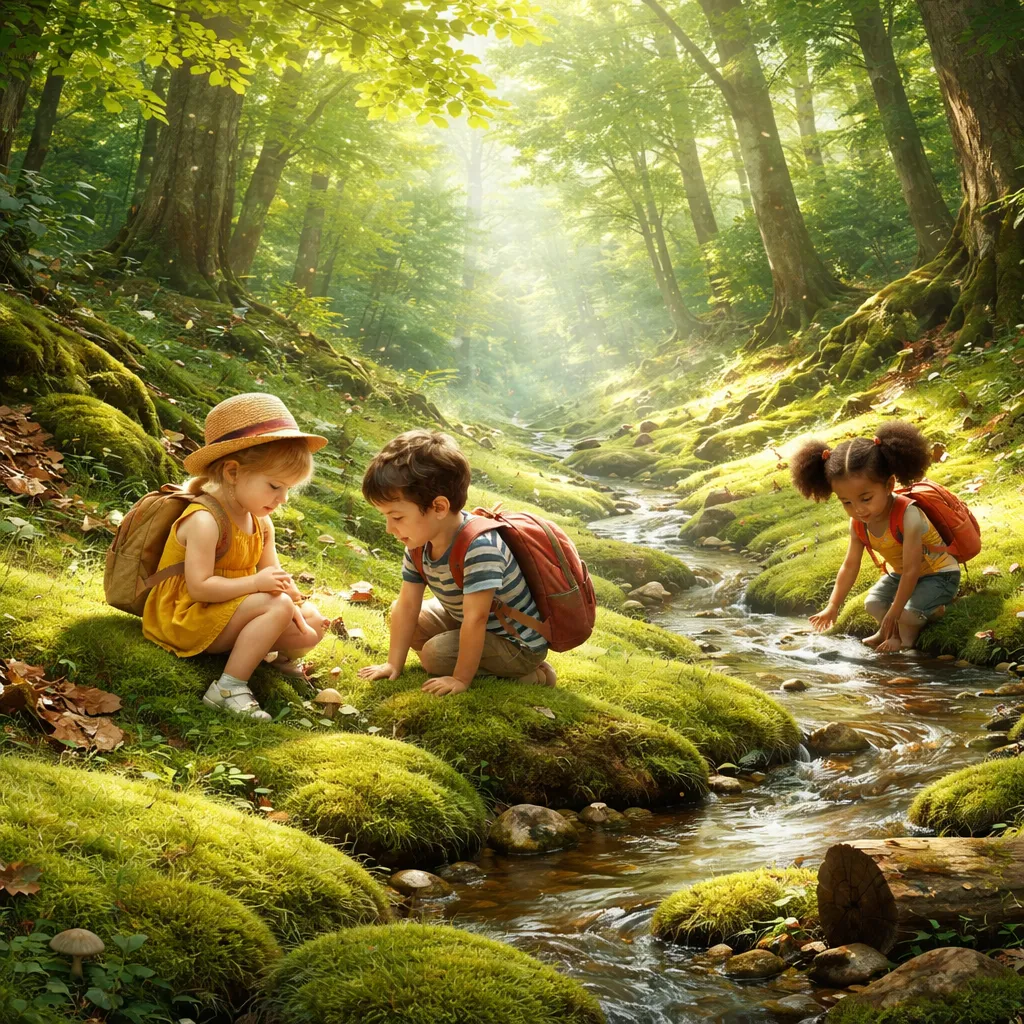
The moss plant is a tiny, soft, green plant that grows in carpets on soil, rocks, and trees. It does not have true roots, stems, or leaves like other plants. It has tiny structures that look like leaves. They are called microphylls. Moss grows in dense clumps or mats. It stays low to the ground. It is usually bright green. It grows in shady, damp places. You can find it on forest floors, on rocks, and at the base of trees. Moss does not have flowers or seeds. It reproduces by spores. For children, moss is like a soft, green carpet. It feels like velvet under your fingers. Parents can take children to look for moss in the woods or grow it in a terrarium. Children love the soft texture and the tiny, star-like shapes. This plant teaches children about ancient plants, the beauty of small things, and the importance of damp, shady places.
English Learning About This Plant
The English name “moss” comes from an old English word. The pronunciation is “moss.” The International Phonetic Alphabet (IPA) is /mɒs/. The word has one syllable. Children can say it: moss. When we learn about moss plant, we learn words for its parts. The microphyll is the tiny, leaf-like structure. The stem is the small, thread-like part that holds the microphylls. The rhizoid is the tiny, root-like part that anchors the moss. The spore capsule is the small, stalked structure that releases spores. The mat is the dense carpet of moss. These words help children describe this soft, ancient plant.
There is a famous saying about moss. It is one of the oldest plants on Earth. Another saying goes, “Moss grows where the air is clean and the shade is deep.” Parents can share these words with their child. They become gentle lessons about clean environments and the beauty of quiet places. Mosses have been on Earth for over 400 million years.
Plant Facts and Scientific Knowledge
Moss plants belong to the division Bryophyta. There are over 12,000 species. Mosses are non-vascular plants. They do not have true roots, stems, or leaves. They absorb water directly through their surfaces. They are found on every continent.
Mosses have tiny structures called microphylls. These look like leaves but are not true leaves. They are one cell thick. Mosses have rhizoids. Rhizoids are thread-like structures that anchor the moss. They do not absorb water like true roots.
Mosses reproduce by spores. The spore capsule grows on a slender stalk. When the capsule is ripe, it opens and releases tiny spores. The spores are carried by wind. They grow into new moss plants.
Mosses need moisture to reproduce. They grow in damp, shady places. They cannot survive in dry, sunny areas. They are very sensitive to air pollution.
Mosses have symbolic meaning. They represent patience, humility, and the beauty of small things. They are plants of quiet places. They thrive where other plants cannot.
How to Grow and Care for This Plant
Growing moss is easy for families. Choose a shady, damp spot. Moss needs moisture. It does not like direct sun. It grows well in terrariums or on rocks.
To grow moss, collect a small patch from a similar environment. Place it on soil or rocks. Press it gently. Keep it moist. Mist it regularly with water. Do not let it dry out.
Moss can also be grown from spores. Place a piece of moss in a blender with buttermilk or yogurt. Blend until smooth. Pour the mixture onto rocks or soil. Keep it moist. Moss will grow in a few weeks.
Water moss regularly. It needs consistent moisture. Mist it daily. It does not need fertilizer. Moss gets nutrients from water and air.
Moss grows slowly. Be patient. It will spread over time.
Benefits of Growing This Plant
Growing moss brings many gifts to a family. First, moss is soft and beautiful. It feels like velvet. Children love to touch it. Second, moss teaches about ancient plants. It has been on Earth for millions of years.
Moss helps the environment. It holds moisture in the soil. It prevents erosion. Children learn that small plants can do big things.
Moss is easy to grow in terrariums. Children can create their own miniature gardens.
Moss also teaches about patience. It grows slowly. Children learn that good things take time.
What Can We Learn From This Plant
A moss plant teaches children about humility. Moss grows close to the ground. It does not reach high. Children learn that small things are important. They can be humble.
Moss also teaches about patience. It grows slowly. It spreads over time. Children learn that growth takes time. They can be patient.
Another lesson is about adaptation. Moss grows where other plants cannot. Children learn that they can adapt. They can find their own place.
Moss also teaches about clean air. Moss grows where the air is clean. Children learn that clean environments are important. They can care for the earth.
Fun Learning Activities
There are many simple activities to help children learn about moss plant. One activity is a texture activity. Touch moss. It is soft and velvety. Compare it to other plants. This builds sensory awareness.
Another activity is a moss hunt. Go for a walk in the woods or a shady park. Look for moss on rocks, trees, and soil. See how many different kinds you can find. This builds observation.
A nature journal works well for moss. Draw the soft, green mat. Draw the tiny microphylls. Draw the spore capsules on stalks. Label the parts: microphyll, rhizoid, spore capsule. Write the date and where you found the moss.
For art, try painting moss. Use different shades of green. Paint the soft, carpet-like texture. Add tiny, star-like shapes. This creates a peaceful forest picture.
Vocabulary games are fun too. Write the words moss, microphyll, rhizoid, spore capsule, mat, and ancient on cards. Say each word. Ask your child to point to the part on the moss. Practice saying moss together.
Finally, try a terrarium activity. Help your child make a small terrarium with moss. Use a glass jar. Add rocks, soil, and moss. Mist it regularly. Watch it grow. This teaches about creating a miniature world.
Through these activities, children build a deep connection with an ancient plant that grows in soft, green carpets. They learn new words, touch velvety textures, and discover the joy of patience. The moss plant becomes a symbol of humility and quiet beauty. Each time they see moss, children remember that small things matter. They remember that clean air helps all living things. This ancient plant opens a world of forest discovery, sensory wonder, and the lasting lesson that the smallest plants often have the oldest stories.