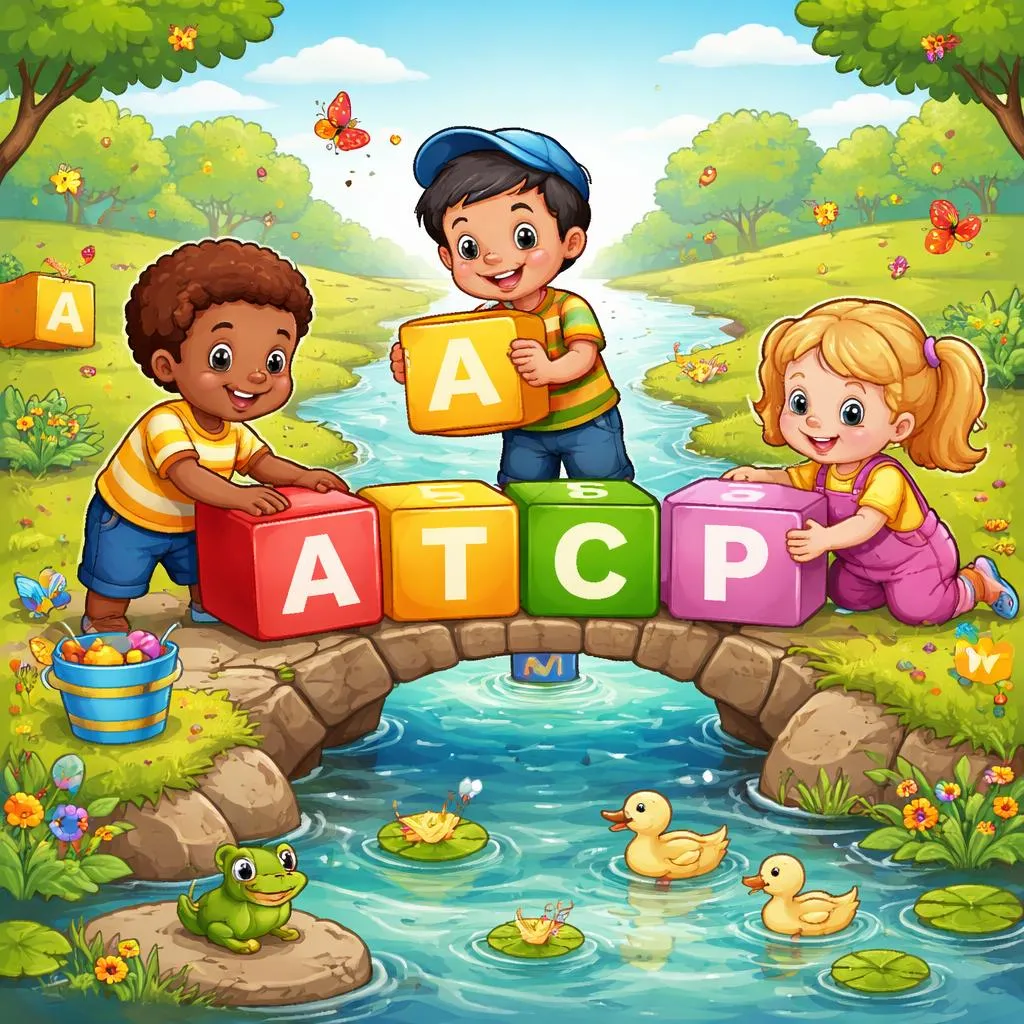

What Is This Situation?
Kindergarten is when reading begins. The first step is learning that letters make sounds. The next step is putting those sounds together to make words. The short vowel "a" is often the first vowel children learn. It appears in simple, three-letter words that are perfect for beginning readers.
Short vowel A words for kindergarten are the building blocks of early reading. Words like cat, hat, bat, and map are easy to sound out. A child who knows the "a" sound can read these words. Success with these words builds confidence for harder words to come.
This situation happens during reading time, during word games, during quiet practice. It happens when a child sounds out "c-a-t" for the first time and realizes they just read a word. That moment is magic.
These words are simple and meaningful. They are words children already say. Now they learn to read them. With short vowel A words, your child takes the first step into the world of reading.
Key English Phrases for This Situation
Use phrases for introducing the sound. "The letter A makes the sound 'ah' like in apple" introduces the vowel. "Listen to the sound in cat. C-a-t. The middle sound is 'ah'" points out the vowel.
Use phrases for sounding out. "Let us sound out this word. C... a... t. What word is that?" guides blending. "Say the sounds with me. C-a-t." "Now you try."
Use phrases for finding the vowel. "What is the middle sound in cat?" asks about the vowel. "Cat has the 'ah' sound. That is short a." names the vowel.
Use phrases for reading. "You read the word! Cat!" celebrates success. "Let us read it again. Cat." "You are reading."
Use phrases for playing with words. "What rhymes with cat?" invites word play. "Cat, hat, bat. They all rhyme." "Can you make a new word by changing the first letter?"
Simple Conversations for Kids
Dialogue 1: Learning the Sound
Parent: "Look at this letter. It is A. A says 'ah' like in apple. Can you say 'ah'?"
Child: "Ah."
Parent: "Good. A says 'ah.' Let us find the 'ah' sound in words. Cat. C-a-t. Did you hear the 'ah'?"
Child: "Yes. Ah."
Parent: "Good listening. The middle sound in cat is 'ah.'"
This conversation introduces the sound. The parent models. The child repeats. The parent points out the sound in a word. The child hears it. The learning is gentle.
Dialogue 2: Sounding Out a Word
Parent: "Let us read this word. I will say the sounds. You put them together. C... a... t."
Child: "Cat."
Parent: "Yes! You read cat. Let us try another. H... a... t."
Child: "Hat."
Parent: "Good! Hat. You are reading short a words."
This conversation practices blending. The parent says the sounds. The child blends them. The parent celebrates. The child reads.
Dialogue 3: Playing with Rhymes
Parent: "We learned cat and hat. What other word rhymes with cat?"
Child: "Bat."
Parent: "Yes, bat. What about... m... a... t?"
Child: "Mat."
Parent: "Good. Cat, hat, bat, mat. They all have the 'ah' sound. You are a word maker."
This conversation uses rhyme to practice. The child thinks of rhyming words. The parent adds one. The child sees the pattern. Reading becomes a game.
Vocabulary You Should Know
Cat is a short a word. You can say "C-a-t spells cat." This is often the first word children read.
Hat is something you wear on your head. You can say "H-a-t spells hat." This word rhymes with cat.
Bat is an animal or a thing you hit a ball with. You can say "B-a-t spells bat." This word is fun to read.
Map is something that shows where places are. You can say "M-a-p spells map." This word is useful.
Sad is a feeling. You can say "S-a-d spells sad." This word helps children express emotions.
Bag is something you carry things in. You can say "B-a-g spells bag." This word is common in daily life.
How to Use These Phrases Naturally
Use a patient and encouraging tone. Reading is hard work. Your child will make mistakes. Your voice should say "That is okay. Let us try again." Patience builds confidence.
Say the phrases during short practice sessions. Five minutes is plenty. Let your child's interest guide the length. Short, frequent practice works best.
Use real objects when possible. Hold a cat toy. Point to a hat. Connect the word to the thing. The connection makes the word meaningful.
Let your child sound out words at their own pace. Do not rush. Let them struggle a little. Figuring it out builds independence.
Celebrate every success. "You read that word!" "You figured it out!" Celebration makes reading feel good. Your child will want to do it again.
Common Mistakes to Avoid
One mistake is moving too fast. Master a few words before adding more. Five short a words are enough to start. Let your child feel successful before adding more.
Another mistake is correcting the sound. If your child says "c-a-t" with a long a, gently say "That word has the short a sound. Like 'ah.' C-a-t. Cat." Model, do not scold.
Some parents use worksheets too much. Worksheets have a place. But real reading happens with real words. Use magnetic letters. Write words on paper. Make it hands-on.
Avoid making reading a test. Do not say "Read this word or you cannot have a snack." Reading should feel good. Keep it positive.
Tips for Parents and Practice Ideas
Start with word families. Teach cat, hat, bat together. The pattern helps. Once your child knows "at," they can read many words.
Use magnetic letters. Put "a" and "t" on the fridge. Let your child add a letter to make new words. "C makes cat. H makes hat." Hands-on learning works.
Read books with short a words. Many early readers focus on short vowels. Read them together. Point out the words your child knows.
Play the missing letter game. Write "c_t." Your child adds the missing vowel. "A! Cat!" The game builds awareness of the vowel sound.
Sing short a songs. "The cat in the hat sat on the mat." Songs make words stick.
Fun Practice Activities
Make a short a word book. Fold paper. On each page, write a short a word. Your child draws the picture. "Cat. Hat. Bat." The book is theirs.
Play short a bingo. Draw a grid. Fill it with short a words. Call out a word. Your child finds it. Bingo makes reading a game.
Use play dough. Roll play dough into letters. Your child makes c-a-t. They read the word. Hands-on learning engages the body and mind.
Go on a short a hunt. Walk around the house. Find things that have the short a sound. "Apple has 'ah.' Cat has 'ah.'" The hunt builds awareness.
Create a short a museum. Gather objects that have the short a sound. A cat toy. A hat. A map. Your child labels them. The museum makes words visible.
Short vowel A words for kindergarten open the door to reading. They are simple. They are familiar. They give children their first taste of success. When a child sounds out "c-a-t" and realizes they just read a word, something clicks. They see that letters have meaning. They see that they can unlock that meaning. That click is the beginning. From that first word, more words come. Cat becomes hat. Hat becomes bat. Bat becomes mat. And soon, your child is reading. Not because you pushed, but because you played with words, sounded them out, celebrated each success. That is how reading begins. One short a word at a time.