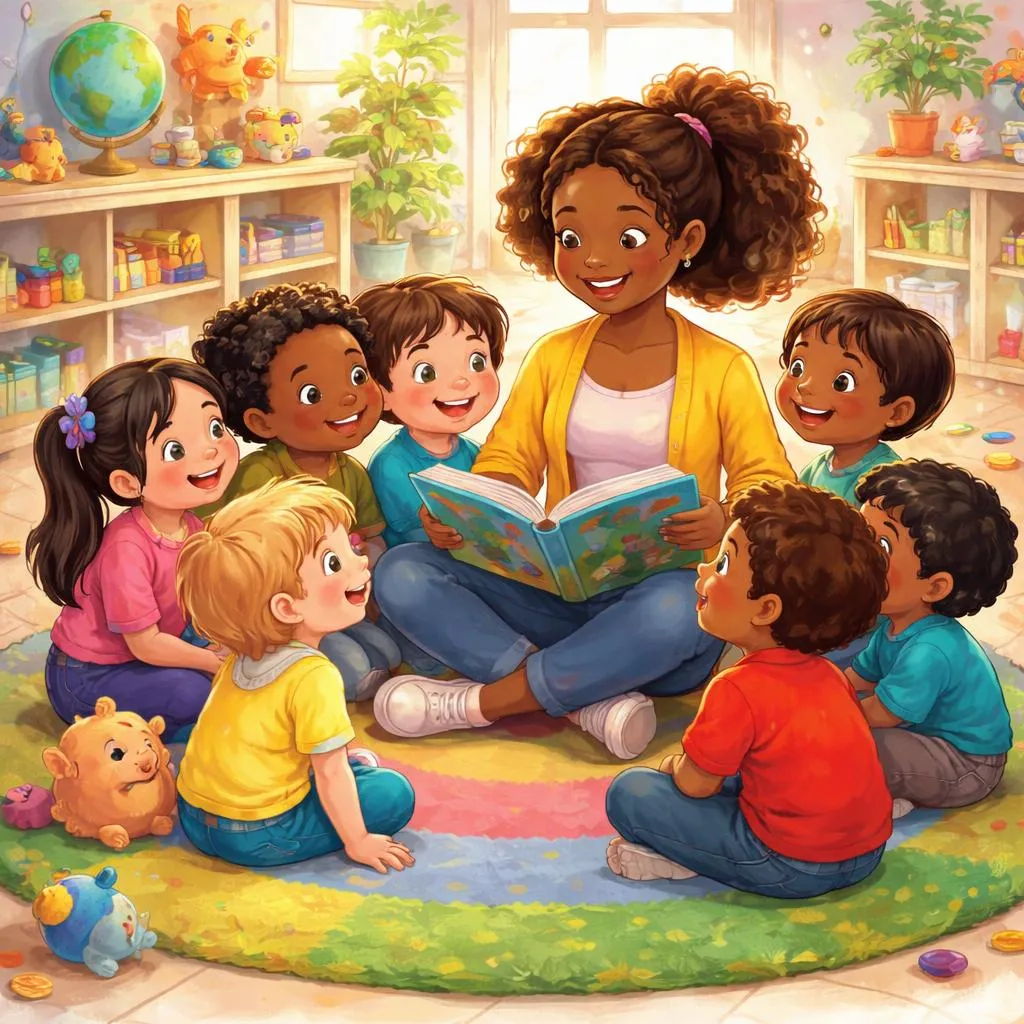

What Are Children's Story Books About Belonging? Let us explore this essential genre of children's literature together. Children's story books about belonging focus on finding one's place in the world. They explore themes of acceptance, inclusion, and connection with others. Characters in these books often feel different or left out initially. They may look different, act differently, or come from elsewhere. The story follows their journey toward finding where they fit. Some characters find belonging with family or friends. Others discover community in unexpected places and people. The books celebrate both uniqueness and common humanity together. They reassure children that everyone deserves to belong somewhere. These narratives appear in picture books, chapter books, and novels.
Meaning and Purpose of Belonging Books These books serve several crucial purposes in children's development. They validate the universal human need for connection and acceptance. Every child wonders if they truly belong somewhere. The books address this deep question with honesty and hope. They also build empathy for those who feel different or excluded. Readers learn to recognize when others might feel left out. The stories model inclusive behavior and welcoming attitudes. Characters show how to make others feel they belong. This builds skills for creating inclusive communities everywhere. The narratives also help children appreciate their own uniqueness. Belonging does not require changing who you are. True belonging means being accepted as yourself completely.
Common Themes in Belonging Books We can identify several recurring themes in belonging narratives. Family belonging explores connection with parents and relatives. Adopted children, blended families, and extended families appear. School belonging focuses on finding friends and community in class. New students and those who feel different are common. Cultural belonging addresses heritage, traditions, and identity. Children navigate between different cultural worlds sometimes. Friendship belonging celebrates the bonds between close friends. Finding that special person who truly understands you. Community belonging expands belonging beyond immediate relationships. Neighborhoods, teams, and groups provide belonging too. Self-belonging means accepting and feeling at home with yourself. This internal sense of belonging matters most of all.
Vocabulary Learning from Belonging Books Belonging books introduce rich emotional and social vocabulary. Belong means to be accepted as part of a group naturally. Include means to make someone part of something willingly. Accept means to receive someone as they are completely. Welcome means to greet someone with pleasure and openness. Community means a group of people who share something important. Family means people connected by blood, love, or commitment. Friend means someone who likes and supports another person. Different means not the same as others in some way. Unique means being the only one of its kind ever. Special means better or more important than usual always. We can teach these words with examples from books. Use them in sentences about classroom experiences.
Phonics Points in Belonging Books Belonging books provide useful phonics practice with emotional language. Belong has the BE prefix and long O and NG sound. Include has the IN prefix and CL blend and long U. Accept has the AC prefix and soft C and short E. Welcome has the W sound and short E and long O and M sound. Community has the short O and short U and long U. Family has the short A and short I and long E. Friend has the FR blend and short E and ND blend. Different has the short I and short E and ENT ending. Unique has the long U and long E and QUE ending. Special has the SP blend and short E and SH sound. We can focus on one sound pattern from each book. Find all words with that sound in the belonging tale. Write them on heart or circle shapes for practice.
Grammar Patterns in Belonging Narratives Belonging books model useful grammar for young readers naturally. Past tense tells what happened to characters previously. "The new family moved to town last summer." Present tense describes ongoing feelings and situations. "She feels happy when she is with her friends." Future tense shows hopes for belonging ahead. "Someday they will find where they truly belong." Questions explore character emotions and situations. "Why doesn't anyone play with me?" "Where do I fit in?" Commands appear in moments of inclusion. "Come sit with us!" "Join our game!" Descriptive language paints emotional landscapes clearly. "The warm, welcoming classroom felt like home finally." Prepositional phrases describe relationships between characters. "With her family, among friends, in this place." We can point out these patterns during reading.
Daily Life Connections Through Belonging Books Belonging books connect directly to children's everyday experiences. Starting a new school raises belonging questions for many. Being the new child feels uncomfortable and uncertain always. Moving to a new neighborhood creates similar feelings. Leaving familiar places and people behind is hard. Being left out on the playground happens to many children. Watching others play while standing alone feels terrible. Finding a friend who understands changes everything completely. That moment of connection transforms the whole experience. Family changes like new siblings affect belonging too. Adjusting to new family configurations takes time always. We can point out these connections during reading. "Remember when you were new and didn't know anyone?" "How did it feel when someone invited you to play?"
Learning Activities for Belonging Books Many activities deepen understanding of belonging themes. Create a classroom belonging quilt with each child's square. Each square represents what makes that child special. Design a "Welcome" banner in multiple languages represented. Show that all are welcome in this classroom community. Make a friendship web connecting children with yarn. Each child shares something as yarn passes around. Create a family tree showing different family structures. Celebrate the diversity of families in the classroom. Write belonging stories about classroom community experiences. Include times when children felt included and welcomed. Act out scenarios showing how to include others. Practice inviting someone to join and play together. These activities build belonging skills actively and intentionally.
Printable Materials for Belonging Lessons Printable resources support deep engagement with belonging themes. Create belonging cards with scenarios for discussion. "Someone is sitting alone at lunch. What could you do?" Design a "All About Me" page for sharing uniqueness. Favorite things, family, and what makes me special. Make a classroom community chart listing what helps belonging. Kind words, invitations, smiles, and helping listed. Create a friendship journal for recording kind acts. Note times when including others or being included. Design a "Ways to Welcome" poster for classroom display. Ideas for making new people feel at home. Make a family connections page for sharing traditions. Draw or write about special family belonging moments. These printables structure belonging exploration activities effectively.
Educational Games About Belonging Games make belonging themes playful and interactive. Play "Welcome Mat" where children greet each other warmly. Practice different ways to make others feel welcome. Create "Find Someone Who" bingo with belonging prompts. "Find someone who likes the same color as you." Play "Inclusion Scenarios" acting out ways to include others. Practice inviting, sharing, and welcoming in role play. Design "Friendship Web" passing yarn while sharing compliments. Create a web connecting everyone in the circle. Play "Same and Different" celebrating both similarities and differences. Notice what we share and what makes us unique. Create "Belonging Freeze Dance" with inclusion themes. Freeze in poses showing friendship and community. These games build belonging awareness through active participation.
Teaching That Differences Are Beautiful Belonging books celebrate diversity and uniqueness beautifully. Characters may look different from those around them. They might have different abilities, cultures, or family structures. The books show these differences as strengths, not weaknesses. What makes us different also makes us special always. The world needs all kinds of people to be complete. Each person brings unique gifts to the community. Belonging does not require sameness at all. True belonging embraces differences completely and joyfully. Children learn to appreciate their own unique qualities. They also learn to value differences in others deeply. This builds inclusive communities where everyone can thrive.
Creating Classroom Belonging Classrooms can become places where every child belongs fully. Morning meetings that greet each child by name help. Activities that celebrate each child's uniqueness matter greatly. Classroom jobs give everyone important roles to play. Cooperative learning builds connections between children naturally. Celebrating diverse holidays and traditions includes everyone. Books featuring diverse characters and families belong here. Language that includes all family structures matters deeply. Addressing exclusion quickly when it happens is essential. Teaching children how to apologize and make amends helps. Creating classroom traditions builds shared identity and belonging. Every child should feel seen, valued, and welcomed always.
The Role of Teachers in Belonging Teachers play crucial roles in fostering classroom belonging. Learning each child's name and using it matters enormously. Noticing when children seem left out or lonely helps. Intervening gently to facilitate connections is important. Modeling inclusive language and behavior sets examples. Children watch how teachers treat everyone equally. Creating opportunities for children to shine matters. Every child needs moments of recognition and success. Building classroom community through shared experiences works. Celebrating achievements and working through challenges together bonds. Teachers can also share their own belonging stories. This vulnerability builds trust and connection with children. The teacher sets the tone for the entire classroom community.
Family Belonging in Books Many belonging books focus on family connections deeply. Adoption stories explore what makes a real family. Children learn that love, not blood, creates family bonds. Blended family stories navigate new siblings and parents. Children see that families can grow and change beautifully. Extended family stories celebrate grandparents and relatives. Cultural heritage connects children to larger family stories. Family traditions create belonging across generations always. Children learn where they come from and who they are. Family belonging provides foundation for all other belonging. When family love is secure, children can venture out. They know there is always a place to return home.
Friendship Belonging in Books Friendship books explore belonging with peers and equals. Finding a true friend transforms a child's world completely. The friend who understands without words is precious. Friends who accept us as we are become treasures. Friendship requires effort, kindness, and forgiveness sometimes. Characters learn to be good friends through experiences. They also learn that not everyone will be friends. And that is okay; quality matters more than quantity. One true friend can make the difference for a child. The books celebrate these precious connections deeply. They also show how to be a good friend actively. Friendship skills can be learned and practiced always.