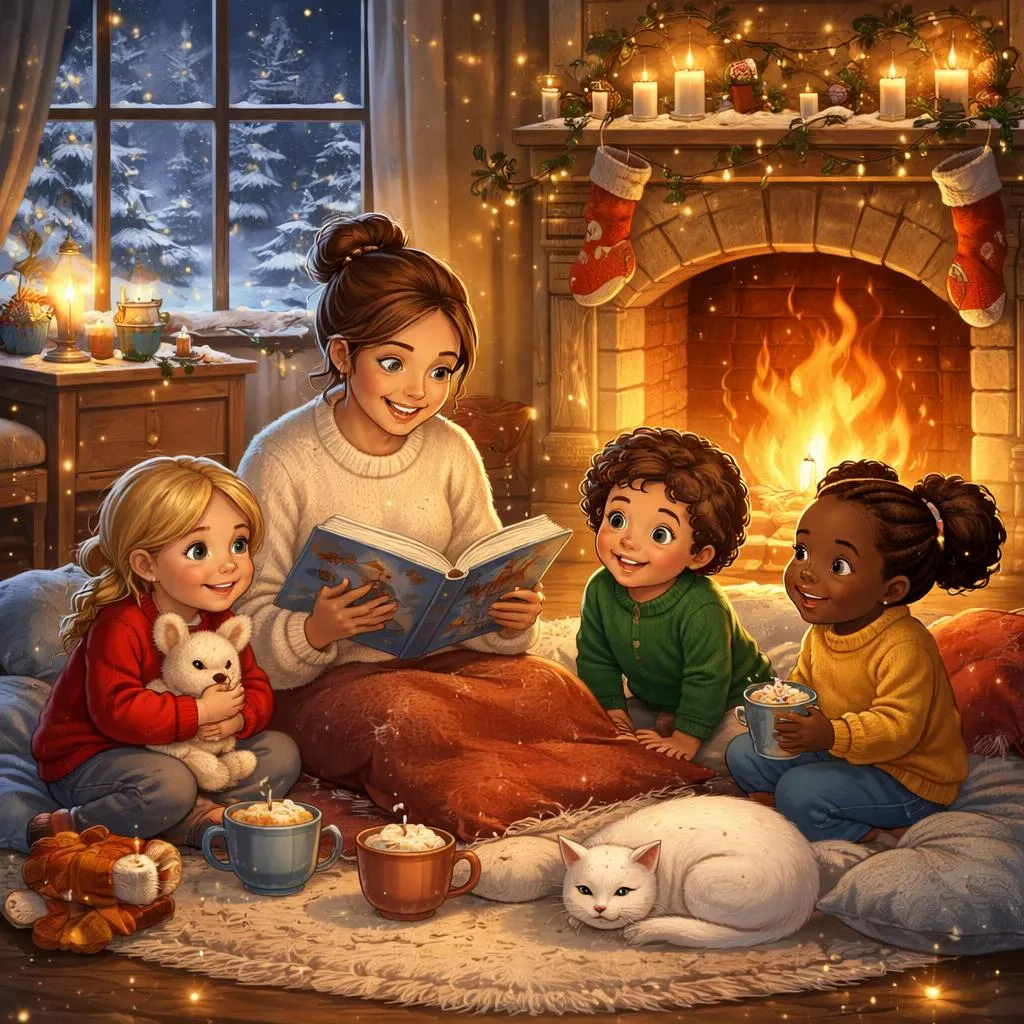

Winter transforms the world outside. Snow blankets the ground. Frost decorates windows. Breath becomes visible in cold air. Inside, warmth surrounds readers sharing stories. This contrast makes children's stories about winter especially memorable. The season provides rich sensory experiences that connect to language. This article explores methods for using these seasonal tales in teaching.
What Defines a Winter Story for Children?
A children's story about winter centers on the coldest season. Some stories celebrate winter fun. Children build snowmen. They skate on frozen ponds. They catch snowflakes on tongues. These tales capture winter's joy and play.
Other stories explore winter's challenges. Animals struggle to find food. Characters brave cold weather. Someone loses a mitten in the snow. These narratives show winter's difficulties while often ending warmly.
The best winter stories balance cold settings with warm feelings. Characters share soup by fires. Families gather close against the cold. Friends help each other through storms. This warmth within cold creates emotional depth.
Vocabulary Learning Through Winter Stories
Winter stories introduce rich seasonal vocabulary. Weather words appear naturally. Snow, ice, frost, and blizzard gain meaning through story contexts. Characters experience these conditions, making words real.
Cold descriptions build vocabulary. Freezing, chilly, icy, and frigid describe temperatures. Shiver, tremble, and huddle describe character responses. This vocabulary helps learners talk about physical sensations.
Winter clothing words fill these tales. Coat, hat, scarf, mittens, and boots appear as characters dress for cold. Each item connects to staying warm in winter settings.
Children's stories about winter also introduce animal vocabulary. Some animals hibernate. Others migrate. Some adapt to cold. Bear, squirrel, bird, and rabbit appear in winter contexts, often showing survival strategies.
Simple Phonics Points in Winter Tales
Winter stories offer excellent phonics material. Seasonal words provide sound practice. Snow features sn blend. Ice contains long i. Cold includes old pattern. These words become phonics anchors through repeated reading.
Many winter stories use onomatopoeia for weather sounds. Wind howls. Snow crunches. Ice cracks. These sound words connect phonics to sensory experience.
Alliteration appears in winter descriptions. "White winter" repeats w sound. "Frozen fingers" features f sound. "Slippery snow" highlights s sound. These patterns support phonemic awareness.
Exploring Grammar Through Seasonal Narratives
Winter stories provide clear grammar models. Present tense describes winter facts. "Snow falls in winter. Children build snowmen." This general present expresses seasonal truths.
Past tense narrates story events. "The children played in the snow all afternoon. They built a tall snowman together." This past tense shows completed action appropriate for storytelling.
Future tense appears in winter plans. "Tomorrow we will go ice skating if the pond freezes." These structures show intentions connected to weather conditions.
Learning Activities with Winter Stories
Active engagement with winter narratives deepens learning. These activities bring seasonal themes into productive language use.
Winter Word Collection Create a class collection of winter words from stories. Group by category. Weather: snow, ice, frost. Clothing: coat, mittens, scarf. Activities: sled, skate, build. Animals: bear, squirrel, bird. This builds organized seasonal vocabulary.
Snowflake Description Activity Read a story featuring snow. Discuss how authors describe snowflakes. Then provide paper and scissors for cutting snowflakes. Learners describe their unique snowflakes using descriptive words from stories. This combines art and language.
Winter Scene Drawing After reading a winter story, ask learners to draw their favorite scene. Below the drawing, write sentences describing what happens in that moment. This builds comprehension and connects writing to visual art.
Hot Cocoa Discussion Many winter stories feature warm drinks on cold days. After reading, make simple hot cocoa or warm milk. During the treat, discuss how characters stayed warm in the story. This multisensory experience connects language to real comfort.
Educational Games with Winter Stories
Games add playful interaction with seasonal narratives. These activities work well for groups or individuals.
Winter Bingo Create bingo cards with winter elements from stories. Snowman. Ice skate. Mitten. Fireplace. Hot cocoa. As you describe story moments, learners cover matching elements. This builds listening comprehension and seasonal vocabulary.
Winter Charades Act out winter activities from stories without speaking. Building a snowman. Ice skating. Catching snowflakes. Drinking hot cocoa. Others guess the activity. This builds comprehension and movement connection.
Winter Story Dice Create dice with winter story elements. Character die: child, animal, snowman. Setting die: forest, pond, house. Weather die: snowing, freezing, sunny but cold. Learners roll and create original winter stories using the elements. This builds creative language use.
Printable Materials for Winter Story Learning
Tangible resources support extended exploration of winter themes. These materials work well for independent practice.
Winter Word Cards Create cards with winter vocabulary words on one side and simple definitions or pictures on the other. Snow, ice, frost, mittens, scarf, sled. Use these for matching games or quick reviews.
My Winter Story Page Provide a template for writing an original winter story. Prompts guide structure. "One winter day..." "The snow was..." "I felt..." "Then something wonderful happened..." This builds narrative skills with seasonal themes.
Winter Story Map Template Create a simple map template for plotting winter stories. Characters, setting, cold problem, warm solution, ending. Learners fill this in after reading. This builds comprehension of winter story structure.
Season Compare Chart Create a simple chart comparing winter with another season from a different story. Weather, activities, clothing, feelings columns. Learners fill in similarities and differences. This builds comparative thinking.
The lasting value of children's stories about winter lies in their connection to real experience. For learners in cold climates, the stories mirror what happens outside. Snow on the page matches snow at the window. For learners in warm places, winter stories open windows onto unfamiliar worlds. They build vocabulary for experiences children may never have directly. Either way, the season provides rich sensory language. Words like crunch describe snow under boots. Words like shimmer describe frost on glass. These words carry sounds and images that make them memorable. Each winter story read together builds vocabulary while connecting to the season outside or far away. The classroom becomes a place where language and weather meet.